
When you have an upset stomach, choosing the right foods can significantly affect your comfort and recovery. Certain foods can soothe your digestive system and help restore balance, while others may exacerbate discomfort. In this guide, we will explore what to eat when experiencing an upset stomach, including gentle foods and meal ideas that can help ease your symptoms.
We will also discuss foods to avoid, recipe suggestions for easy-to-digest meals, and tips for meal planning during recovery. This comprehensive guide aims to support your digestion and make your eating experience more pleasant during adversity.
What to Eat When You Have Upset Stomach?
When dealing with an upset stomach, focus on bland, easily digestible foods that minimize irritation. Options like toast, rice, bananas, and applesauce are generally well-tolerated and can help alleviate discomfort. Staying hydrated and avoiding heavy, fatty foods will also contribute to a quicker recovery.
Understanding Upset Stomach
An upset stomach can stem from various causes, including dietary choices, stress, infections, or underlying health issues. Symptoms may include nausea, bloating, gas, diarrhea, or heartburn. It is essential to identify the underlying cause, but in the meantime, adjusting your diet can help.
Foods to Include
A suitable diet for an upset stomach aims to calm the digestive tract without overwhelming it. The following foods are generally gentle on an upset stomach:
- BRAT Diet: Bananas, Rice, Applesauce, Toast – these foods are renowned for their blandness and ease of digestion.
- Plain Crackers: They provide quick carbohydrates without added flavors that could cause irritation.
- Boiled Potatoes: Avoid added spices or butter. The starch can help absorb excess stomach acids.
- Oatmeal: Cooked oats are soothing and easy to digest, providing fiber while being gentle on the gut.
- Broth-Based Soups: Chicken or vegetable broth offers hydration and can fill you up without heaviness.
- Steamed Vegetables: Carrots or zucchini, when cooked until soft, can be tolerated better than raw vegetables.
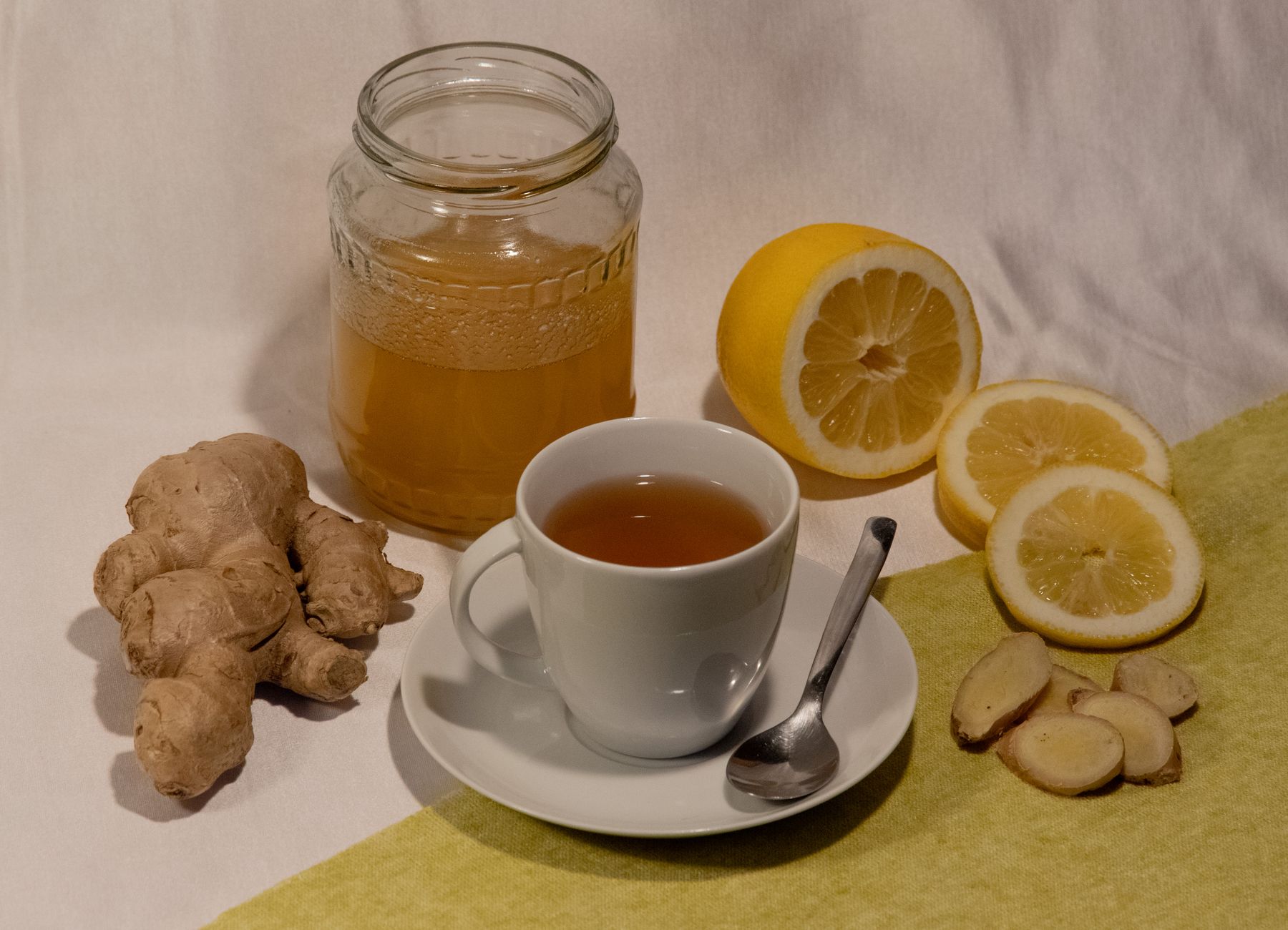
- Herbal Teas: Ginger, chamomile, or peppermint tea can help soothe nausea and promote digestion.
Foods to Avoid
Certain foods can irritate your stomach, leading to more discomfort. Here are some to steer clear of:
- Fatty Foods: Fried foods, fatty cuts of meat, and heavy sauces can exacerbate nausea and bloating.
- Dairy Products: Milk, cheese, and cream can cause bloating and gas for some individuals, particularly if lactose intolerant.
- Spicy Foods: The heat from chilies can irritate the stomach lining and worsen discomfort.
- Caffeinated Beverages: Coffee and certain sodas can stimulate acid production and lead to further irritation.
- Alcohol: It is best avoided, as it can inflame and irritate the digestive system.
- Acidic Foods: Citrus fruits and tomatoes can worsen symptoms for those with sensitivity to acidity.
Meal Ideas for Upset Stomach
When you have an upset stomach, it can be challenging to think of what to eat. Below are some simple meal ideas that utilize the foods suggested earlier, ensuring light, nutritious meals.
Breakfast Options
- Oatmeal with Bananas:
- Cook plain oats in water, then mash half a banana into the oatmeal for natural sweetness and potassium.
- Toast with Applesauce:
- Serve a slice of plain white or whole wheat toast with a side of unsweetened applesauce.
- Plain Rice Cakes:
- Top a rice cake with a thin layer of peanut butter (if tolerated) and some banana slices.
Lunch Options
- Chicken Broth with Rice:
- Simmer chicken or vegetable broth in a pot, and add cooked white rice for a soothing soup.
- Steamed Carrots and Potatoes:
- Steam carrots and peeled potatoes until tender, then mash for a comforting dish.
- Plain Pasta:
- Cook plain pasta and drizzle with a little olive oil or leave it plain. Consider mixing in some boiled chicken for protein.
Dinner Options
- Vegetable Broth Soup:
- Make a simple vegetable soup using broth, carrots, and potatoes, allowing it to simmer until all ingredients are tender.
- Baked White Fish:
- Lightly season a white fish (like cod) with salt, bake until cooked through, and serve with plain rice.
- Steamed Zucchini:
- Steam zucchini until tender and pair it with a small serving of plain quinoa.
Snack Suggestions
- Ginger Tea: Make ginger tea to soothe nausea, using fresh ginger steeped in hot water.
- Plain Yogurt: A small serving of plain yogurt can replenish good bacteria if dairy is well tolerated.
- Baked Apples: Slice apples and bake with a sprinkle of cinnamon until soft for a soothing dessert option.
Practical Tips for Meal Planning
When planning meals to soothe an upset stomach, it helps to keep things simple and repetitive. Here are some practical tips to make the process easier:
- Stick with a Routine: Repeating easy-to-digest foods helps the stomach feel stable during recovery.
- Make Smaller Portions: Eating light meals can prevent overloading your stomach and aid digestion.
- Stay Hydrated: Drink plenty of fluids like water or herbal tea, but avoid caffeinated and sugary drinks.
- Watch for Triggers: Keep a journal of foods that seem to worsen your symptoms to eliminate them from your diet.
- Introduce Foods Gradually: Once symptoms improve, slowly reintroduce other foods to see how they affect you.
Batch Cooking for Later
When you feel up to cooking, consider batch-preparing gentle meals for the days ahead. This can save energy when you’re not feeling well. Here’s how:
- Prepare Soups: Make a large batch of broth-based soup and freeze portions for easy meals later.
- Cook Rice and Quinoa: Cook grains in bulk, as they can be added to various meals throughout the week.
- Steam Vegetables: Steam a variety of vegetables and store them to accompany your meals.
Common Mistakes to Avoid
While easing an upset stomach, it’s essential to avoid certain pitfalls that could worsen your condition. Here are some common mistakes:
- Overeating: Eating too much, even of gentle foods, can lead to further discomfort.
- Ignoring Symptoms: Continue to monitor your condition and seek medical help if symptoms persist or worsen.
- Choosing Heavy Foods: Going for rich or heavy foods can slow down recovery and irritate your stomach.
Final Thoughts
Eating the right foods when you have an upset stomach is essential for comfort and recovery. Stick to bland, easily digestible options, and avoid irritants. Always listen to your body; if something doesn’t feel right, adjust your diet accordingly. The proper nourishment can make all the difference in how you feel, so take your time to find what works best for you.
For those looking to explore further, consider checking out what to eat after vomiting or try the chia pudding recipe with coconut milk for a light and nutritious treat.