
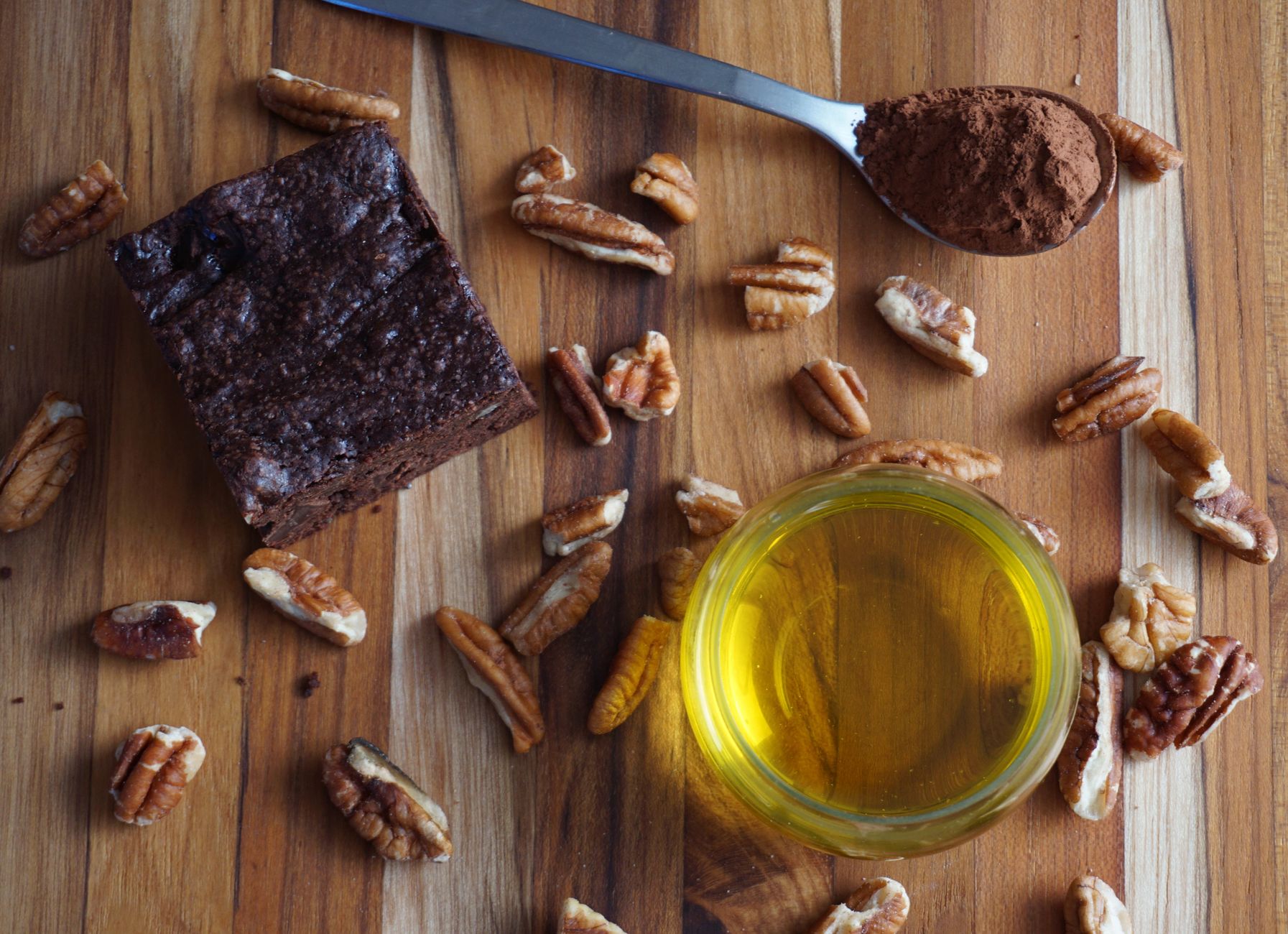
Brownies are a beloved dessert known for their rich, fudgy texture and sweet chocolate flavor. They are often made for special occasions, potlucks, or simply to enjoy with a cup of coffee. But what happens if you leave brownies out overnight? Understanding the proper storage techniques and the safety implications of leaving brownies at room temperature is crucial for both quality and health.
This article will delve into the best practices for storing brownies, explore how long they can safely sit out, and provide tips to maintain their delicious taste and texture.
Can I Leave Brownies Out Overnight?
Yes, you can leave brownies out overnight, but it is important to consider the conditions they are kept in. If they are properly covered and stored in a cool, dry place, they can stay fresh for a day. However, brownies that are not protected may become stale or pick up odors from the environment.
Understanding the Makeup of Brownies
To better grasp how to store brownies, it’s helpful to understand what they are made of. Brownies typically consist of:
- Chocolate or cocoa powder
- Flour
- Eggs
- Sugar
- Butter or oil
- Optional ingredients like nuts, frosting, or flavorings
These ingredients give brownies their characteristic flavor and texture, along with varying shelf lives. For instance, the moisture in brownies comes from the eggs and butter, which can impact their stability when left out.
Factors Affecting Brownie Freshness
When considering leaving brownies out, several factors play a role in their freshness and safety:
- Humidity: High humidity can make brownies soggy or prompt the growth of mold.
- Temperature: Warm environments can accelerate spoilage, while cooler areas help maintain freshness.
- Exposure: Brownies left uncovered can absorb odors from their surroundings and may dry out.
How Long Can Brownies Sit Out?
Brownies can sit out at room temperature for about 1 to 2 days if stored properly. Here are some guidelines:
- If left covered and in a cool, dry area, brownies can remain fresh for up to two days.
- Brownies with added ingredients, such as cream cheese frosting, should not be left out for more than 4 to 6 hours due to food safety concerns.
- If you notice any signs of mold or strange odors, it’s best to discard the brownies.
Proper Storage Techniques
1. Cooling Brownies
Before storing, ensure that brownies are completely cooled. Hot brownies can create condensation when covered, leading to sogginess. Allow them to cool in the pan for about 10-15 minutes, then transfer them to a wire rack.
2. Covering Brownies
Once cooled, cover the brownies to protect them from air exposure. Here are some methods:
- Plastic Wrap: Tightly wrap the brownies in plastic wrap to keep them moisture locked in.
- Aluminum Foil: Cover the brownies with aluminum foil, which protects against drying out and keeps odors at bay.
- Container: Place brownies in an airtight container, which is ideal for keeping them fresh without losing moisture.
3. Avoiding Odors
To prevent brownies from absorbing odors, always store them away from strong-smelling foods, such as onions or garlic. Storing brownies in a separate, sealed container is the best practice.
4. Refrigerating Brownies
If you live in a hot or humid environment, or if your brownies contain perishable ingredients (like frosting), it’s best to refrigerate them. Wrap them tightly in plastic or store them in an airtight container to avoid drying out. Brownies can last in the refrigerator for about a week.
5. Freezing Brownies
For longer storage, freezing brownies is an excellent option. Here’s how to do it:
- Cut brownies into individual portions.
- Wrap each portion in plastic wrap tightly to avoid freezer burn.
- Place the wrapped brownies in a freezer-safe bag or container.
- Label the container with the date so you can track their freshness.
Brownies can last in the freezer for up to three months. When you’re ready to enjoy them, simply thaw them in the refrigerator or on the countertop before serving.
Common Mistakes in Brownie Storage
When it comes to storing brownies, some common mistakes can lead to unsatisfactory results:
- Not Allowing Cooling: Storing brownies while still warm can lead to sogginess due to trapped steam.
- Leaving Them Uncovered: Uncovered brownies can quickly dry out and lose flavor and texture.
- Using an Inappropriate Container: Avoid using containers that are too large, as excess air can lead to dryness.
Signs of Stale or Spoiled Brownies
Knowing the signs that indicate your brownies have gone bad can prevent unwarranted consumption. Here are key indicators to look for:
- Odor: A bad or sour smell is a clear sign that it’s time to throw away the brownies.
- Mold: Any visible mold on the brownies means they are no longer safe to eat.
- Texture: If the brownies feel overly dry and crumbly or excessively soggy, their quality has declined.
Reviving Leftover Brownies
If you find your brownies have become slightly hard or stale, there are methods to breathe new life into them:
- Warm Them Up: Microwave individual brownies for about 10-15 seconds to restore moisture.
- Serve with Ice Cream: Pairing brownies with ice cream adds moisture and enhances flavor.
- Chocolate Sauce: Drizzle with chocolate sauce to add richness and moisture back to the brownies.
Types of Brownies and Their Storage Needs
Different types of brownies may have varying storage needs based on their ingredients. Here are some popular types and their storage guidelines:
- Fudgy Brownies: These typically contain more fat and moisture, allowing them to stay fresh longer at room temperature.
- Cakey Brownies: With less fat, cakey brownies may dry out more quickly and should be stored carefully.
- Brownies with Frosting: These need refrigeration due to the dairy content in the frosting; they can usually last about a week.
Creative Brownie Variations
Experimenting with brownie recipes is a fun way to add different flavors and textures. Here are a few suggestions:
- Nuts and Seeds: Adding walnuts, pecans, or sunflower seeds can enhance crunchiness and nutritional value.
- Different Chocolates: Experimenting with dark, milk, or white chocolate can change the flavor profile of your brownies.
- Seasonal Ingredients: Adding flavors like pumpkin spice or peppermint can create seasonally-themed treats.
Popular Brownie Recipes for Different Diets
If you’re looking to make brownies that fit specific dietary preferences, consider the following alternatives:
- Gluten-Free Brownies: Substituting flour with gluten-free alternatives like almond or coconut flour. This change may affect texture; it is less dense than traditional brownies.
- Vegan Brownies: Replace eggs with flaxseed meal or aquafaba to bind the ingredients. Coconut oil or applesauce can substitute butter, resulting in moist brownies.
- Protein Brownies: Incorporating protein powder can create a more nutritious treat. The texture may change, so adjust other liquid ingredients accordingly.
Conclusion
In summary, leaving brownies out overnight is permissible if done correctly. Proper storage in a cool, dry area can keep them fresh for up to two days. For longer enjoyment, consider refrigerating or freezing them. Pay attention to signs of spoilage and common mistakes to ensure that your brownies maintain their delicious flavor and texture. Follow the storage tips and get creative with your recipes to make the most of this delightful dessert.
Explore more about different brownie recipes, including our protein brownies recipe or cottage cheese brownie recipe for a unique twist on this classic dessert!