
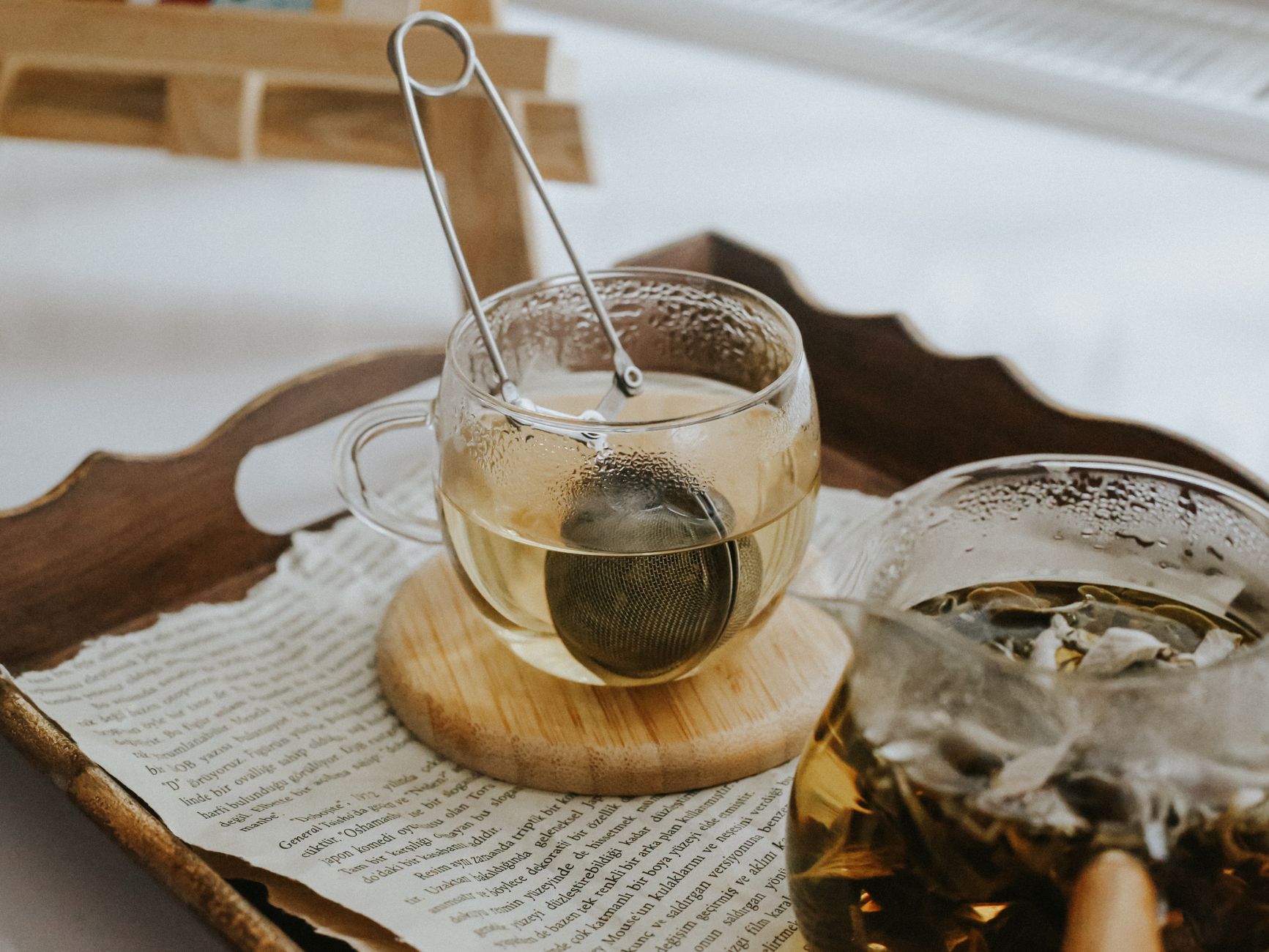
Herbal tea has become a popular choice for many individuals, seeking both flavor and potential benefits from a range of herbal ingredients. Unlike traditional teas derived from the Camellia sinensis plant, herbal teas are infusions made from various herbs, flowers, fruits, and spices. They offer a delightful exploration of different taste profiles, textures, and possible experiences in the kitchen.
In this article, we will explore the multiple dimensions of herbal tea, including its taste, texture, and kitchen uses. Whether you are looking to savor a particular flavor or incorporate herbal tea into your cooking, understanding what herbal tea does will enhance your appreciation for this versatile beverage.
What Does Herbal Tea Do?
Herbal tea serves various functions, primarily as a flavorful beverage. It can be enjoyed hot or cold, steeped in a variety of ingredients to extract distinct flavors and aromas. Many herbal teas are thought to offer health benefits due to their herbal components, ranging from calming chamomile to invigorating peppermint. Further, herbal teas can also be used in cooking to infuse dishes with unique flavors.
The Taste of Herbal Tea
The flavor profile of herbal tea can vary significantly depending on the ingredients used. Here are some popular herbal teas and their respective tastes:
- Chamomile: Known for its sweet, floral taste with hints of apple, chamomile tea is often associated with relaxation and calming effects.
- Peppermint: This tea offers a cool, refreshing flavor with a pleasant minty aroma, often used to soothe digestive issues.
- Hibiscus: Hibiscus tea provides a tart, cranberry-like flavor that’s both vibrant and energizing.
- Ginger: Known for its warm, spicy profile, ginger tea can be invigorating and has a distinctive heat that can awaken the senses.
- Rooibos: With its naturally sweet, slightly nutty flavor, rooibos tea is caffeine-free and offers a unique, earthy taste.
The Texture of Herbal Teas
Texture in herbal tea is primarily influenced by how the ingredients are prepared and steeped. While most herbal teas result in a smooth liquid when steeped, their textures can vary as follows:
- Loose Leaf vs. Tea Bags: Loose leaf teas often contain whole herbs or flowers, resulting in a more robust texture and flavor. Tea bags may simplify preparation but may limit the flavor depth.
- Infusions: Various herbs can yield different infusion qualities. For instance, ground herbs may create a thicker mouthfeel, whereas whole flowers yield a lighter body.
Kitchen Uses of Herbal Tea
Herbal tea is more than just a beverage; it can serve various kitchen purposes:
Beverages
Herbal tea can be enjoyed as a hot drink, served over ice, or incorporated into cocktails. Some ideas include:
- Iced Herbal Tea: Brew your favorite herbal tea and chill it for a refreshing beverage in warmer months.
- Tea Cocktails: Herbal tea can serve as a base for mixed drinks. Consider using hibiscus tea for a vibrant cocktail or chamomile tea for a soothing concoction.
Culinary Ingredients
Besides being consumed as a drink, herbal tea can enhance numerous dishes:
- Flavoring Dishes: Use strong herbal tea as a flavorful broth for soups or as a liquid for cooking grains such as rice or quinoa.
- Marinades: Herbal teas can be employed to infuse meats and vegetables with aromatic flavors while cooking.
- Baking: Incorporate brewed herbal tea in baked goods, such as cakes or muffins, for added moisture and flavor.
Teas in Wellness
Many people turn to herbal teas for their possible wellness benefits. The soothing nature of various herbal blends often garners attention:
- Digestive Health: Peppermint tea is known for soothing an upset stomach, while ginger tea can help ease nausea.
- Calming Effects: Chamomile tea is frequently consumed to promote relaxation and reduce anxiety, making it a popular bedtime drink.
- Detoxification: Herbal teas, such as dandelion, are often included in detox routines.
How to Prepare Herbal Tea
Brewing herbal tea is simple, but specific techniques can enhance its flavor and benefits:
Ingredients
You will need:
- Herbal tea (loose leaves or tea bags)
- Fresh or dried herbs, depending on your choice
- Water (freshly boiled)
Essential Equipment
- Tea infuser or steeping bag for loose leaf teas
- Tea kettle or saucepan for boiling water
- Cup or teapot for steeping and serving
Step-by-Step Method
- Bring water to a boil: Heat fresh water in a tea kettle or saucepan until it reaches boiling.
- Measure your tea: Use about one teaspoon of loose herbal tea per cup (or follow specific recommendations for different herbs).
- Steep: Pour the boiling water over the herbal tea and let it steep for 5 to 10 minutes depending on the desired strength.
- Strain: If using loose herbal tea, strain the leaves using a tea infuser. For tea bags, simply remove the bag.
- Serve: Pour the tea into a cup. Add honey, lemon, or other sweeteners as desired.
Flavor Variations and Substitutions
Herbal teas offer tremendous flexibility, and you can experiment with various flavors or substitute ingredients:
- Mixing Herbs: Combine chamomile with mint for a relaxing yet refreshing brew.
- Fruit Additions: Enhance flavor with dried fruits like apple slices or citrus peels.
- Spices: Add spices like cinnamon or cloves for warmth and a slightly different aromatic profile.
Common Mistakes and Troubleshooting
Sometimes brewing herbal tea goes awry. Here are some common mistakes and how to fix them:
- Too Bitter: This usually occurs from over-steeping. If your herbal tea tastes bitter, try lowering the steeping time next time.
- Weak Flavor: If your tea lacks flavor, ensure you’re using fresh herbs and the correct amount; consider steeping for a longer time.
- Cloudy Tea: This can happen when using hard water. Opt for filtered water to enhance clarity and overall flavor.
Storage and Reheating Guidance
For optimal freshness, store any unused herbal tea components properly:
- Store loose herbal tea in an airtight container, away from light, heat, and moisture.
- For brewed tea, keep it refrigerated in an airtight container. Consume it within 2-3 days for the best quality.
- Reheat brewed herbal tea gently to avoid degrading its flavor.
Conclusion
Herbal tea is a versatile beverage that serves numerous purposes beyond just quenching your thirst. From its various tastes and textures to its kitchen applications and potential health benefits, herbal tea offers an enriching culinary experience. By exploring the various types and uses of herbal tea, you can enhance both your drinking enjoyment and your cooking repertoire.
Consider experimenting with infused recipes or refreshing drinks. For specific herbal tea recipes, check out our clove tea recipe or the dandelion tea recipe for additional inspiration.