
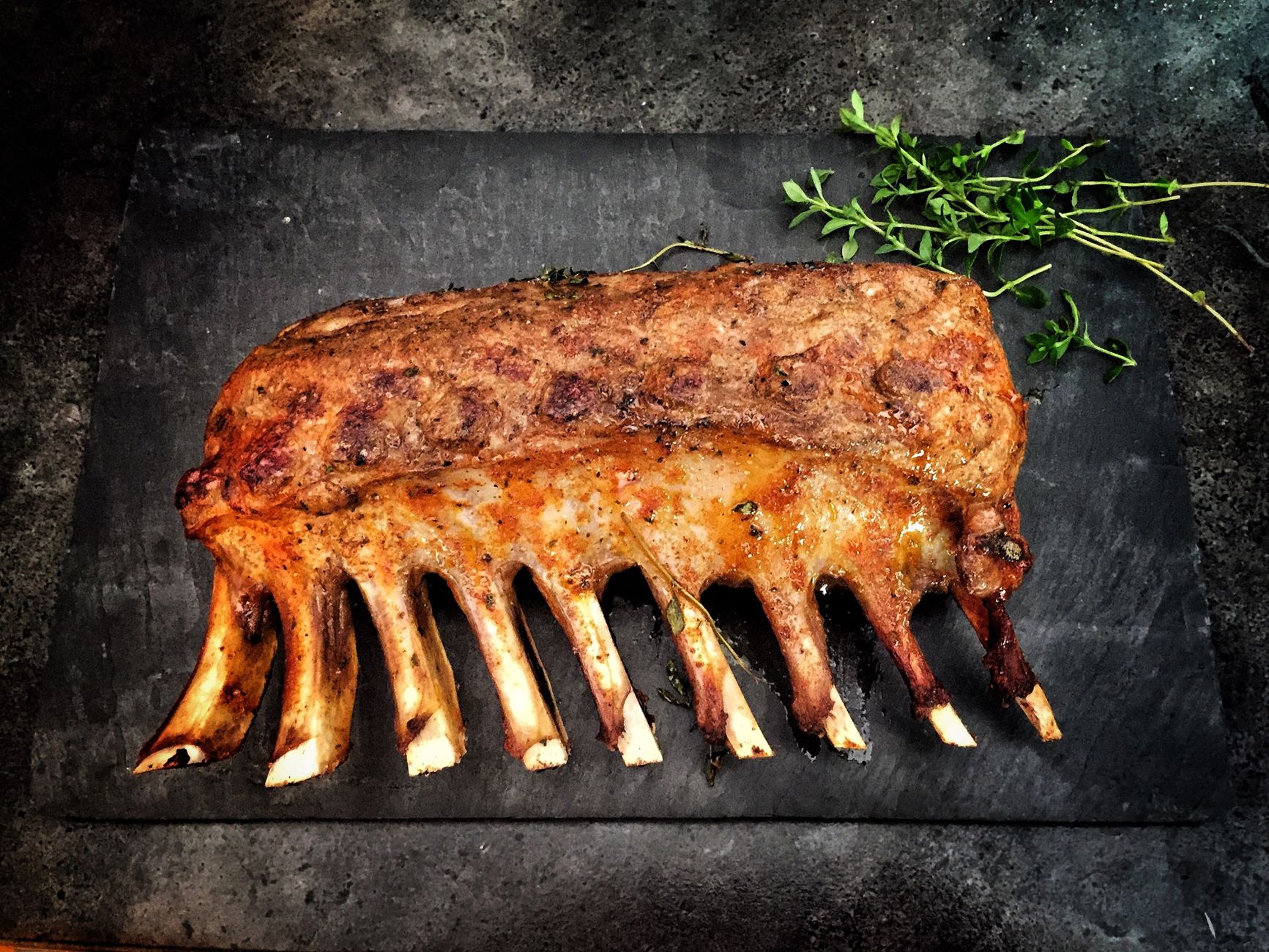
When it comes to barbecuing or grilling, one question often arises: how many ribs are in a slab? Understanding this can influence not only your cooking process but also your serving strategies, whether you’re feeding a crowd or preparing a family meal. This article will delve into the specifics of rib slabs, including the types of ribs, their standard quantities, and practical tips for serving sizes.
By getting clear on rib portions, you can ensure that your next barbecue is a success, whether it involves tender, meaty pork ribs or succulent beef ribs. Let’s break down the essentials regarding ribs and their servings, so you can grill like a pro!
How Many Ribs Are in a Slab?
A standard slab of ribs contains 10 to 13 individual ribs, depending on the type of rib and how it is cut. For instance, a full slab of spare ribs typically has around 13 ribs, while baby back ribs usually come in slabs of 10 to 11 ribs. Consider these numbers when planning your meals, as they will help determine how much meat you will serve per person.
Understanding Different Types of Ribs
To better comprehend how many ribs you’ll find in a slab, it’s crucial to understand the different types of ribs available, as each has its own characteristics.
Pork Ribs
- Baby Back Ribs: These ribs are cut from the upper part of the pig’s rib cage. They are shorter and tend to be more tender than spare ribs, usually containing about 10 to 11 ribs in a slab.
- Spare Ribs: Cut from the lower portion of the rib cage, spare ribs are longer and have more meat between the bones. A full slab typically contains 11 to 13 ribs.
- St. Louis Style Ribs: This is a trimmed version of spare ribs, leaving a uniform shape and a flat surface. They also have a similar rib count as spare ribs.
Beef Ribs
- Back Ribs: These are cut from the rib section of the cow, generally containing 6 to 8 ribs in a slab.
- Short Ribs: These are thicker and meatier, cut from the lower rib and plate area, often sold in smaller portions that can vary significantly in rib count.
Ideal Serving Sizes for Ribs
When planning portions for ribs, serving size will depend on several factors, including the type of event and the appetite of your guests. Here’s a simple guideline:
- Adults: Plan for 2 to 3 ribs per adult as a main course. If accompanying sides, consider 2 ribs.
- Children: Generally, 1 rib will be sufficient depending on their age and appetite.
- Party or Gathering: If serving ribs as part of a buffet or large gathering, factor in 1.5 ribs per person to ensure leftovers.
Cooking Techniques for Ribs
Cooking ribs can seem challenging, but with the right techniques, they can be a straightforward and rewarding meal. Below are several popular cooking methods.
Grilling
- Preheat your grill to medium heat.
- Season your ribs with your favorite spice rub or marinade.
- Place the ribs on the grill. If using direct heat, cook for about 3 to 4 hours, flipping every 30 minutes and basting with sauce if desired.
- Look for the ribs to be tender and have a slight char. Internal temperature should reach at least 190°F (88°C) for optimal tenderness.
Oven Baking
- Preheat your oven to 300°F (150°C).
- Season the ribs and wrap them tightly in aluminum foil.
- Bake in the oven for about 2.5 to 3 hours, depending on the size of the slab.
- For the last 30 minutes, remove the foil and apply barbecue sauce, letting it caramelize.
Slow Cooking
- Season the ribs generously and place them in the slow cooker.
- Add a small amount of liquid (such as broth or barbecue sauce) to keep them moist.
- Cook on low for 6-8 hours or until the ribs are tender and falling off the bone.
- Finish by broiling in the oven for 5-10 minutes to create a bit of crust on the sauce.
Tips for Perfect Ribs
Achieving tenderness and flavor in ribs can sometimes be tricky. Here are several tips to help enhance your rib cooking experience:
- Remove the Membrane: Before cooking, remove the silver skin on the back of the ribs for better seasoning penetration and tenderness.
- Marinate or Dry Rub: Consider marinating your ribs overnight or using a dry rub to deepen the flavor profile.
- Rest the Ribs: Allow the ribs to rest for about 10-15 minutes after cooking. This helps redistribute the juices for a more succulent bite.
- Use a Meat Thermometer: For the best results, check the internal temperature. Ribs should be cooked until they reach 190°F (88°C) for optimum tenderness.
Common Mistakes and Troubleshooting
Even seasoned cooks can make mistakes. Here are common pitfalls to avoid when cooking ribs:
- Overcooking: Monitor the cooking time closely; overcooked ribs can dry out quickly.
- Undercooking: Ensure that ribs are cooked through to avoid a chewy texture.
- Skipping the Marinade: Don’t undervalue marinating your ribs. This process is crucial for flavor enhancement.
Storing and Reheating Ribs
If you have leftovers, proper storage is key to maintaining flavor and texture:
- Storing: Wrap ribs tightly in plastic wrap or foil and store in the refrigerator for up to 3-4 days.
- Freezing: For longer storage, consider freezing cooked ribs. They can last up to 3 months in the freezer.
- Reheating: To reheat, wrap in aluminum foil and warm in a 350°F (175°C) oven for about 20 minutes, or until heated through.
Fun Recipes Featuring Ribs
Here are a couple of delicious recipes to elevate your rib game:
- Slow Cooker Ribs are perfect for a set-it-and-forget-it option that results in tender, flavorful ribs.
- Oven-Baked BBQ Ribs offer a delicious barbecue experience without firing up the grill.
Conclusion
Understanding how many ribs are in a slab is an important aspect of meal planning. Armed with this knowledge, you can confidently prepare portions that suit your gathering size and preferences. Choosing the right cooking method, coupled with tips for flavor and tenderness, can lead to delicious results every time you grill or bake your ribs.
Explore more delicious recipes or tips to enhance your cooking skills, ensuring every meal is a flavorful success.