
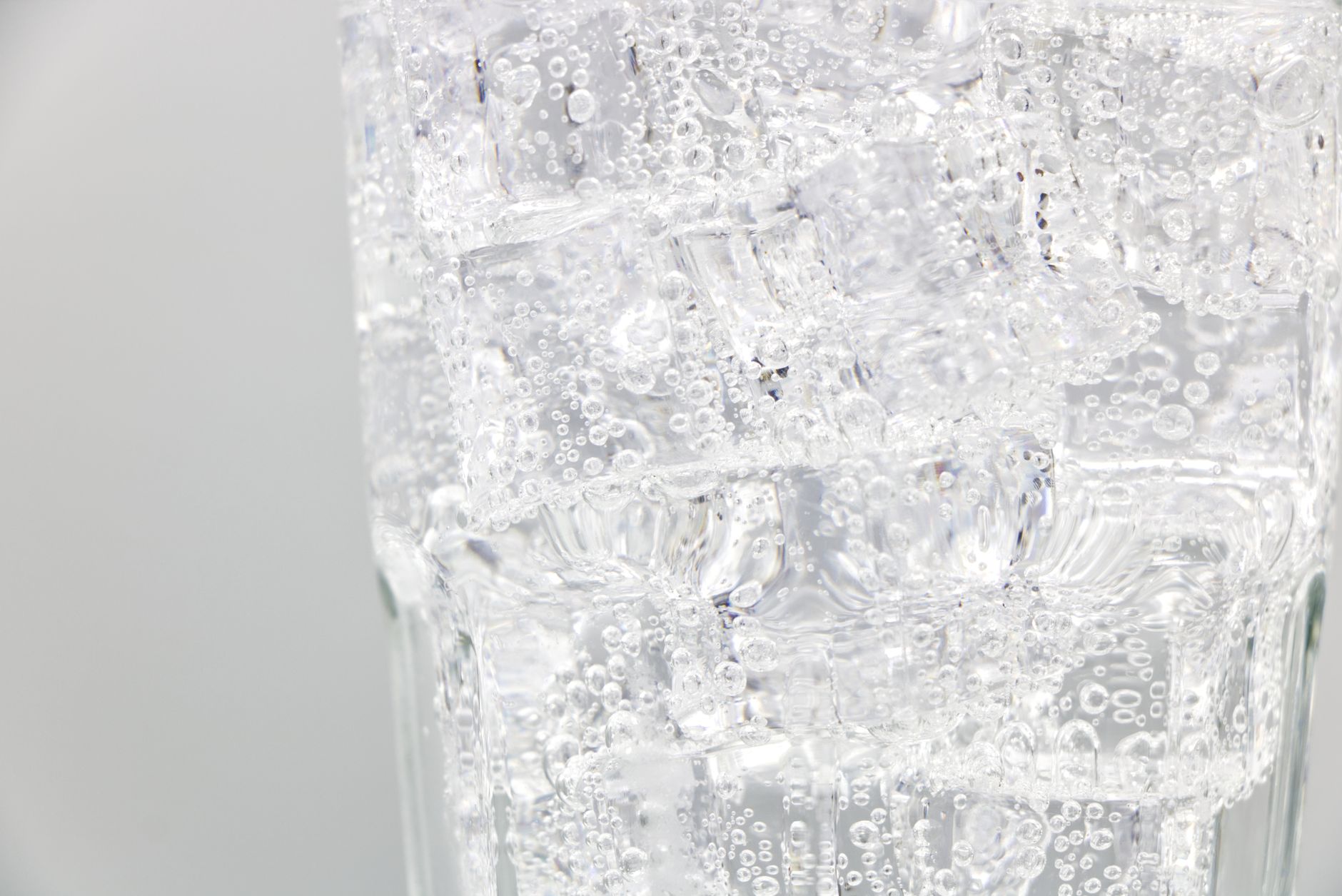
Carbonated water has become an increasingly popular beverage choice for many, providing a satisfying fizz and a refreshing experience. Understanding how water is carbonated, the science behind it, and its uses can add a new dimension to your culinary repertoire.
This article will explore the carbonation process, its applications in food and drink, and some creative serving ideas, offering a comprehensive guide for anyone interested in enhancing their dining experience.
How Is Water Carbonated?
Water is carbonated by dissolving carbon dioxide gas (CO2) into it under high pressure. This creates bubbles that provide the signature effervescence. When the pressure is released, the carbon dioxide is released in the form of bubbles, resulting in the fizzy texture we enjoy.
The simplest method to carbonate water is through an apparatus called a soda maker. However, various commercial processes, including those used in soft drink manufacturing, also accomplish this. Understanding these methods allows home cooks and beverage enthusiasts to experiment with carbonation techniques.
The Science Behind Carbonation
Carbonation primarily relies on the principles of gas solubility. Under pressure, more carbon dioxide can dissolve in water than under normal atmospheric conditions. When you open a bottle or can of carbonated water, the pressure is released, causing dissolved gas to escape and form bubbles.
Pressure and Temperature Factors
The temperature of the water and the amount of pressure applied during carbonation significantly affect how well the gas dissolves. Colder water can hold more CO2 than warmer water. This is why carbonated beverages are often chilled before consumption.
Recommended Equipment for Home Carbonation
- Soda Maker: A device specifically designed to carbonate water at home.
- CO2 Canisters: Used with soda makers, these pressurized canisters provide the carbon dioxide needed for carbonation.
- Reusable Bottles: Most soda makers require specific bottles to withstand pressure; these usually have a secure cap to keep gases contained.
- Thermometer: For best carbonation results, knowing the water temperature can help optimize the process.
Selecting the Right Water for Carbonation
The type of water you choose can significantly impact the final taste of carbonated beverages. Here are some considerations: freshness, mineral content, and flavor
Types of Water
- Tap Water: Readily available, usually has minimal cost but may add flavors from the local supply lines.
- Bottled Spring Water: Generally has better mineral content, which can enhance the taste.
- Distilled Water: Lacks minerals, typically leading to a bland flavor when carbonated.
Common Uses of Carbonated Water
Carbonated water is not just a refreshment; it also plays various roles in culinary practices.
Drink Mixers
Carbonated water is often a base for homemade sodas and cocktails. The fizz enhances flavors and adds a unique mouthfeel to drinks. Pair carbonated water with fresh fruit juices, flavored syrups, or spirits to create refreshing beverages.
Cooking Ingredient
Beyond beverages, carbonated water can be utilized in cooking. Here are some applications:
- Batter for Fried Foods: Add carbonation to batters for tempura or fried chicken. The bubbles help create a lighter and crispier texture.
- Fluffing Dough: Some bread recipes may benefit from carbonated water, which can help make a lighter dough.
- Salads and Dressings: A splash of carbonated water can add a slight tang and lightness to salad dressings.
Flavoring Carbonated Water
The versatility of carbonated water means it can be flavored according to your preferences. Here are some common flavoring elements:
Infusion Ingredients
- Fresh Fruits: Slices of lemons, limes, and berries create refreshing flavors.
- Herbs: Mint, basil, or rosemary can add aromatic elements and complexity.
- Syrups: Flavored syrups or extracts can provide sweetness and enhance the taste.
To infuse flavors, simply combine your chosen ingredients with carbonated water in a pitcher and allow it to sit for a few minutes to meld the flavors. Serve chilled with ice.
Serving Ideas for Carbonated Water
When it comes to serving carbonated water, creativity can elevate the experience. Here are some serving ideas:
Creative Beverages
- Citrus Spritzer: Mix carbonated water with fresh orange and lemon juice. Garnish with citrus slices for a vibrant appeal.
- Herbed Mojito: Muddle fresh mint with lime juice, add carbonated water, and serve over ice for a refreshing cocktail.
- Fruit-Infused Sparkler: Combine carbonated water with an assortment of diced fruits, such as strawberries, mango, and kiwi, for a festive drink.
Healthy Alternatives
Substituting carbonated water for sugary sodas can provide a healthier option for hydration. Here are some alternatives:
- Mix carbonated water with lightly flavored herbal teabags for a refreshing beverage.
- Create green juice spritzers by combining carbonated water with diluted green juice.
Common Mistakes to Avoid When Carbonating Water
Carbonating water at home can be straightforward, but some common pitfalls can lead to unsatisfactory results. Here’s what to watch out for:
Over Carbonation
Adding too much carbon dioxide can cause your beverage to overflow. Use shorter bursts of CO2 and allow it to settle between additions for best results.
Warm Conditions
Carbonating warm water may yield poor results, as warmer temperatures reduce the gas’s ability to dissolve effectively. It’s best to start with chilled water.
Not Using the Right Equipment
Using incompatible bottles or equipment with your soda maker can lead to unintentional leaks and safety hazards. Always refer to the manufacturer’s instructions.
The History of Carbonated Water
The origins of carbonated water trace back to the late 18th century when Joseph Priestley first infused water with carbon dioxide in 1767. The process evolved, leading to commercial production in the early 19th century, giving birth to sodas.
Storage Recommendations for Carbonated Water
Once opened, carbonation diminishes, and the beverage can lose its fizz rapidly. Here are tips for storing carbonated water:
- Keep it sealed in a cool, dark place before opening.
- After opening, tightly seal the bottle and store it in the refrigerator to maintain carbonation.
- Avoid transferring to other containers unless necessary, as this can lead to loss of flavor and fizz.
Exploring Further Carbonation Options
For enthusiasts with a penchant for experimenting, consider these advanced alternatives:
Home Fermentation
Fermentation produces natural carbonation and can be used in homemade sodas or kombucha. However, this method requires a basic understanding of safety and fermentation techniques.
Carbonated Cocktails
Adding carbonated water to cocktails can balance flavors and enhance the drinking experience. Popular cocktails with carbonation include mimosas and spritzers.
Conclusion
Understanding how water is carbonated opens up a world of possibilities in beverage innovation and culinary creativity. With the basics of the carbonation process covered, along with tips on choosing water, flavoring ideas, and serving suggestions, you can confidently explore the refreshing realm of carbonated water.
Consider trying recipes that utilize carbonated water, explore various flavor combinations, or even purchase your soda maker to experiment with crafting your fizzy beverages at home.