
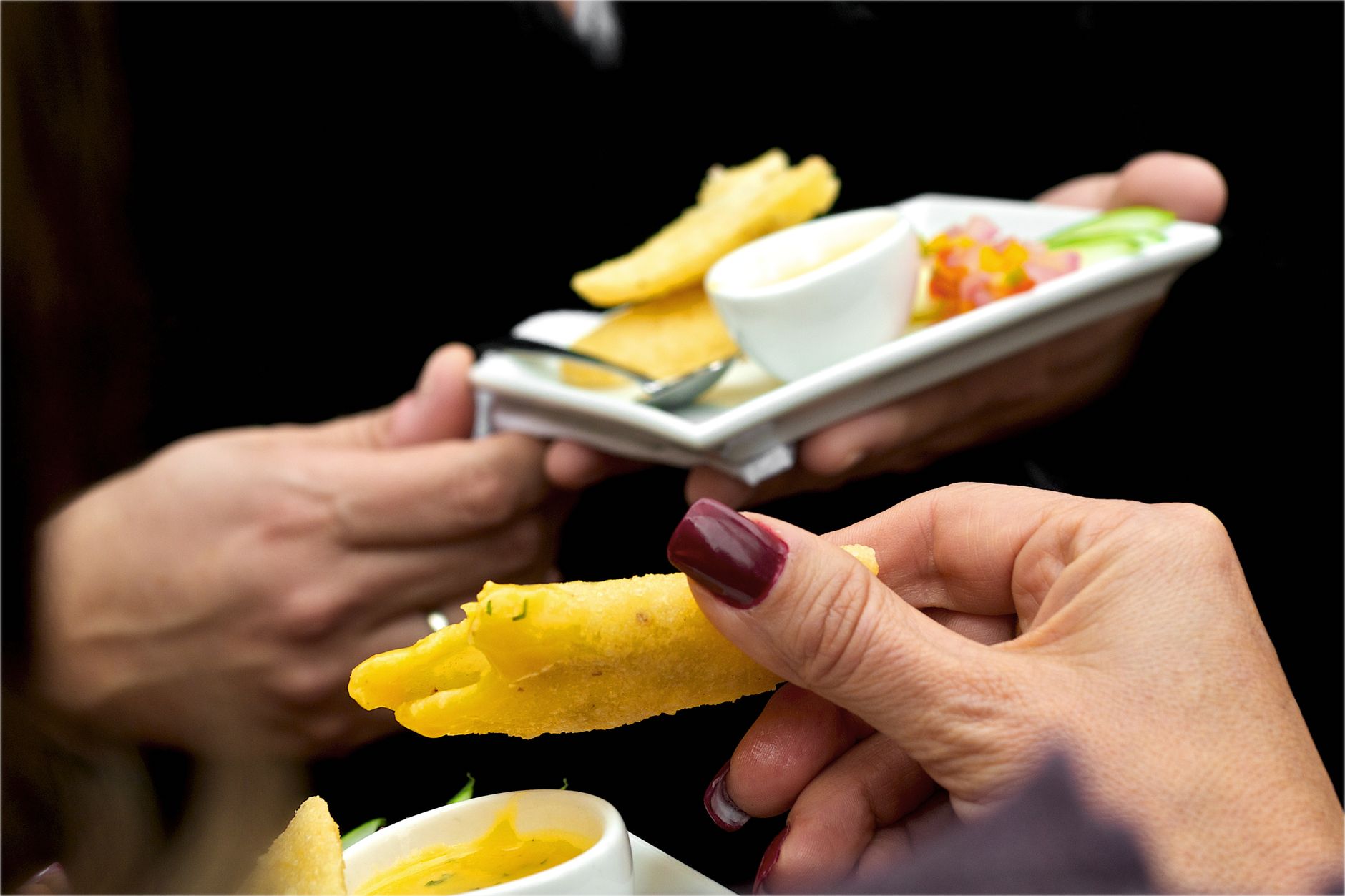
Mofongo is a beloved dish steeped in cultural significance, primarily found in Puerto Rican cuisine. It consists of mashed fried green plantains blended with garlic, chicharrón (fried pork skin), and often a mix of flavorful broth or seasoning. While its taste profile captivates the palate, its origins tell a vibrant story, making it a fascinating topic for food enthusiasts.
The dish—and its various adaptations—serves as a perfect representation of Afro-Caribbean culinary history, reflecting the influences of African, Spanish, and Taino peoples. In exploring the origin of mofongo, we will delve into its historical background, variations, cultural significance, and how it has evolved throughout the years.
Where Did Mofongo Originate?
Mofongo originated in Puerto Rico, showcasing the blend of indigenous Taino, Spanish colonial, and African influences in Puerto Rican cuisine. It became popular in the 19th century, primarily among the working-class and has maintained its status as a staple dish that is cherished across the island.
Historical Background of Mofongo
The origins of mofongo can be traced back to the Taino people, the Indigenous inhabitants of Puerto Rico. They made a dish called “fufu,” which consisted of mashed roots, such as cassava and yuca. When the Spanish colonizers arrived in the 15th century, they introduced plantains and pigs to the island, revolutionizing local cuisine.
This fusion led to the creation of mofongo, where the mashed plantains from the Spanish influence met the indigenous mashing technique. The addition of chicharrón—brought in by the Spanish—further transformed the dish into what we recognize today. The African influence is also notable, as enslaved Africans in Puerto Rico often prepared mofongo using available ingredients, making it accessible and beloved among the island’s working class.
The Making of Mofongo
To make traditional mofongo, the primary ingredient is green plantains. These starchy fruits undergo frying until golden, followed by mashing with garlic, salt, and chicharrón. The dish can then be shaped into a mound and served with broth, meat, or seafood, showcasing its versatility.
Traditional Ingredients
- Green plantains
- Garlic
- Chicharrón (fried pork skin)
- Olive oil or pork fat
- Salt
A Simple Mofongo Recipe
Here’s a straightforward recipe for preparing traditional mofongo at home.
Yield: 4 servings
Preparation time: 10 minutes
Cooking time: 20 minutes
Total time: 30 minutes
Equipment Needed
- Deep frying pan or pot
- Mortar and pestle or food processor
- Cutting board and knife
- Slotted spoon
Ingredients
- 4 green plantains, peeled and cut into 1-inch slices
- 4 cloves of garlic, minced
- 1 cup chicharrón, crushed
- Salt to taste
- Olive oil or pork fat for frying
Method
- Heat oil for deep frying in a pan over medium heat.
- Once the oil is hot, add the plantain pieces and fry them until golden brown, approximately 6-8 minutes.
- Remove the plantains from the oil and drain them on paper towels.
- In a mortar and pestle, add the hot fried plantains and minced garlic, along with a pinch of salt, and mash them until combined.
- Incorporate the crushed chicharrón into the mixture, mashing gently to combine.
- Shape the mofongo into a mound and keep it warm while you prepare the broth or meat for serving.
- Serve hot with broth poured over, or with fried pork, shrimp, or other protein of your choice.
Practical Tips for Making Mofongo
- Choose firm, green plantains for the best texture.
- Fry the plantains in batches to maintain consistent cooking temperature.
- Ensure the garlic is finely minced for even flavor distribution.
- For a smoother texture, use a food processor to mash the plantains.
Variations of Mofongo
Over the years, several variations of mofongo have emerged, each reflecting regional ingredients and culinary creativity.
Seafood Mofongo
This version includes shrimp, octopus, or pescado (fish), and is often served in a rich seafood broth. The added flavors from the seafood elevate the dish while keeping the traditional mofongo base intact.
Mofongo Relleno
Mofongo relleno, or stuffed mofongo, typically consists of the mashed plantains shaped around a filling, such as lechon (roast pork), seafood, or vegetables. This preparation adds another layer of flavor and texture to the dish.
Cultural Significance
Mofongo is more than just a meal; it’s a cultural symbol of Puerto Rico. The dish signifies unity, as it is commonly shared during family gatherings and celebrations. Its popularity also extends beyond the island, making it a cherished dish in Puerto Rican communities throughout the United States and beyond.
Many consider mofongo a comfort food, embodying the island’s culinary heritage. It represents the blending of cultures and stands as a testament to Puerto Rico’s resilient spirit through changing times.
Serving Suggestions
When serving mofongo, consider pairing it with flavorful accompaniments to enhance the overall meal. Here are some popular options:
- Garlic shrimp or garlic butter sauce
- Chicken or beef in a rich gravy
- Coconut milk-based seafood stews
- Fresh avocado slices for creaminess
Storage and Reheating
While best enjoyed fresh, mofongo can be stored and reheated. If you have leftovers, ensure you let them cool before placing them in an airtight container. Mofongo can be stored in the refrigerator for up to three days.
To reheat, you can gently warm it in the microwave or on the stove with a little broth or water to restore moisture. Avoid overheating, as this may change the texture.
Common Mistakes to Avoid
When preparing mofongo, some common errors can impact the final dish:
- Using ripe plantains instead of green ones will lead to a sweet, unideal texture.
- Over-mashing can turn the mixture gluey; aim for a chunky texture.
- Neglecting seasoning can result in bland mofongo—don’t forget the salt!
Conclusion
Understanding the origins and cultural significance of mofongo is essential to appreciating this delightful dish. Whether you choose the traditional recipe or explore its variations, mofongo remains a snapshot of Puerto Rican identity. Ready to try it? Grab some green plantains and experiment in your kitchen!
Explore related recipes like Plantains Recipe and Puerto Rican Rice Recipe for additional insights into Puerto Rican cuisine and cooking techniques.