
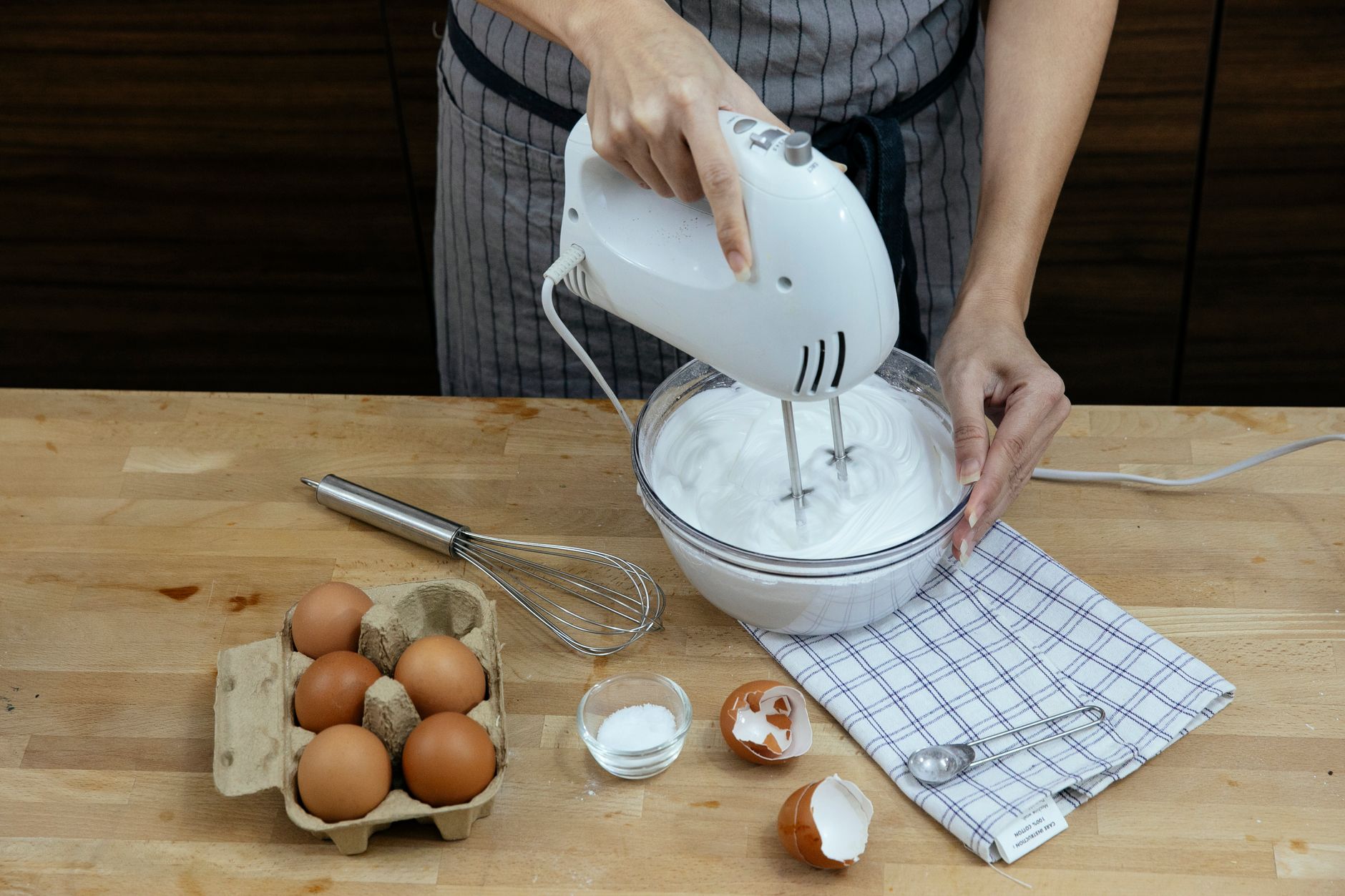
Egg whites are a versatile ingredient frequently used in cooking and baking, whether for meringues, soufflés, or as a healthy protein source. However, understanding their shelf life and proper storage is essential to ensure freshness and safety.
This guide addresses how long egg whites last in the fridge, along with tips on storage, uses, and signs of spoilage to help you make the most of this ingredient.
How Long Are Egg Whites Good in the Fridge?
When stored properly, egg whites can last up to four days in the fridge. If you’ve separated them from the yolks, it’s important to keep them in an airtight container to maintain freshness. Proper handling ensures the best quality and safety.
Understanding Egg Whites
Egg whites, also known as albumen, are the clear, viscous liquid surrounding the yolk of a chicken egg. They consist primarily of water (around 90%) and protein (about 10%), making them a low-calorie, low-fat source of protein. This unique composition allows egg whites to be whipped into a foam, making them suitable for various culinary applications.
Uses for Egg Whites
Here are some common culinary uses for egg whites:
- Meringues: Whipped egg whites are the base for meringues, which can be baked into crisp cookies or used as a topping for desserts like pies.
- Soufflés: Whipped egg whites add volume and lightness to soufflés, creating a fluffy texture.
- Angel Food Cake: This cake relies on whipped egg whites to achieve its airy structure.
- Protein Shakes: Egg whites can be blended into smoothies for an added protein boost.
- Macarons: These delicate French cookies require whipped egg whites for their signature texture.
Storage Guidelines for Egg Whites
Proper storage is crucial for maintaining the quality of egg whites. Follow these guidelines:
Refrigeration
After separating the egg whites from the yolks:
- Place the egg whites in a clean, airtight container.
- Label the container with the date of separation, so you can track freshness.
- Store the container in the coldest part of the fridge, ideally at or below 40°F (4°C).
If you purchase pasteurized egg whites, they can typically last for longer—up to about 10 days in the fridge—compared to fresh ones. Always check the packaging for specific expiration dates.
Freezing Egg Whites
If you can’t use the egg whites within the four days, consider freezing them:
- Pour the egg whites into ice cube trays or freezer-safe containers.
- Label the containers with the date.
- Freeze until solid, then transfer the cubes to a freezer bag, removing as much air as possible to prevent freezer burn.
- When ready to use, thaw the appropriate number of egg white cubes in the refrigerator overnight.
Frozen egg whites can last for up to 12 months, although for best quality, it’s recommended to use them within six months.
Signs of Spoilage
It’s important to recognize the signs that egg whites may have spoiled:
- Off odors: Fresh egg whites should have a mild, neutral scent. A strong or unpleasant smell indicates spoilage.
- Viscosity: Egg whites should be somewhat viscous. If they become watery or lose their texture, it’s a sign of spoilage.
- Color changes: Fresh egg whites should appear clear to slightly opaque. Any discoloration, such as a yellow tint, can indicate that they are no longer fresh.
- Clarity: Fresh egg whites have a transparent appearance. Cloudiness may suggest spoilage.
Practical Uses for Leftover Egg Whites
If you often find yourself with leftover egg whites, here are some creative ways to utilize them:
- Homemade protein bars: Mix with oats, nuts, and other ingredients to create your own healthy bars.
- Scrambled egg whites: A nutritious breakfast option, scrambled egg whites can be seasoned and cooked just like whole eggs.
- Egg white omelet: Use egg whites to make a fluffy omelet, filled with your favorite vegetables and cheese.
- Soups and sauces: Add egg whites to enhance the protein content in soups, stews, or sauces.
- Face mask: Some people use egg whites in homemade face masks for skin tightening properties.
Common Mistakes and Troubleshooting
When working with egg whites, it’s easy to make a few common mistakes. Here are some tips for troubleshooting:
Overwhipping
Overwhipped egg whites can turn dry and grainy. To avoid this:
- Whip until soft peaks form, then stop. You can always continue if needed.
- Add an acid, such as lemon juice or cream of tartar, to help stabilize the egg whites and achieve a fluffier texture without overdoing it.
Fat Contamination
Even a small amount of fat can prevent egg whites from whipping properly. To avoid this:
- Ensure that all utensils and bowls are grease-free. Use a metal or glass bowl rather than plastic, which can retain oils.
- Separate egg whites from yolks very carefully; even a tiny bit of yolk will affect whipping.
Using Old Egg Whites
Old egg whites may not whip up correctly or may produce a less stable foam:
- Use fresh egg whites for recipes that require volume, like meringues or soufflés.
- As an alternative, consider using powdered egg whites, which can provide a more consistent result.
Health Benefits of Egg Whites
Egg whites offer several health benefits:
- High in protein: Egg whites are an excellent source of protein, essential for muscle building and repair.
- Low in calories: With minimal calories, they fit well within low-calorie diets.
- Low in fat and cholesterol: Egg whites contain no fat and are cholesterol-free, making them a healthy option for heart health.
Conclusion
Properly stored egg whites can last about four days in the fridge, but they can also be frozen for longer preservation. Understanding how to handle and use egg whites helps reduce waste while maximizing their culinary potential. By recognizing spoilage signs and common pitfalls, you can make the most of this versatile ingredient.
For further reading, consider looking at how long cooked chicken lasts or explore the shelf life of eggs in the refrigerator.