
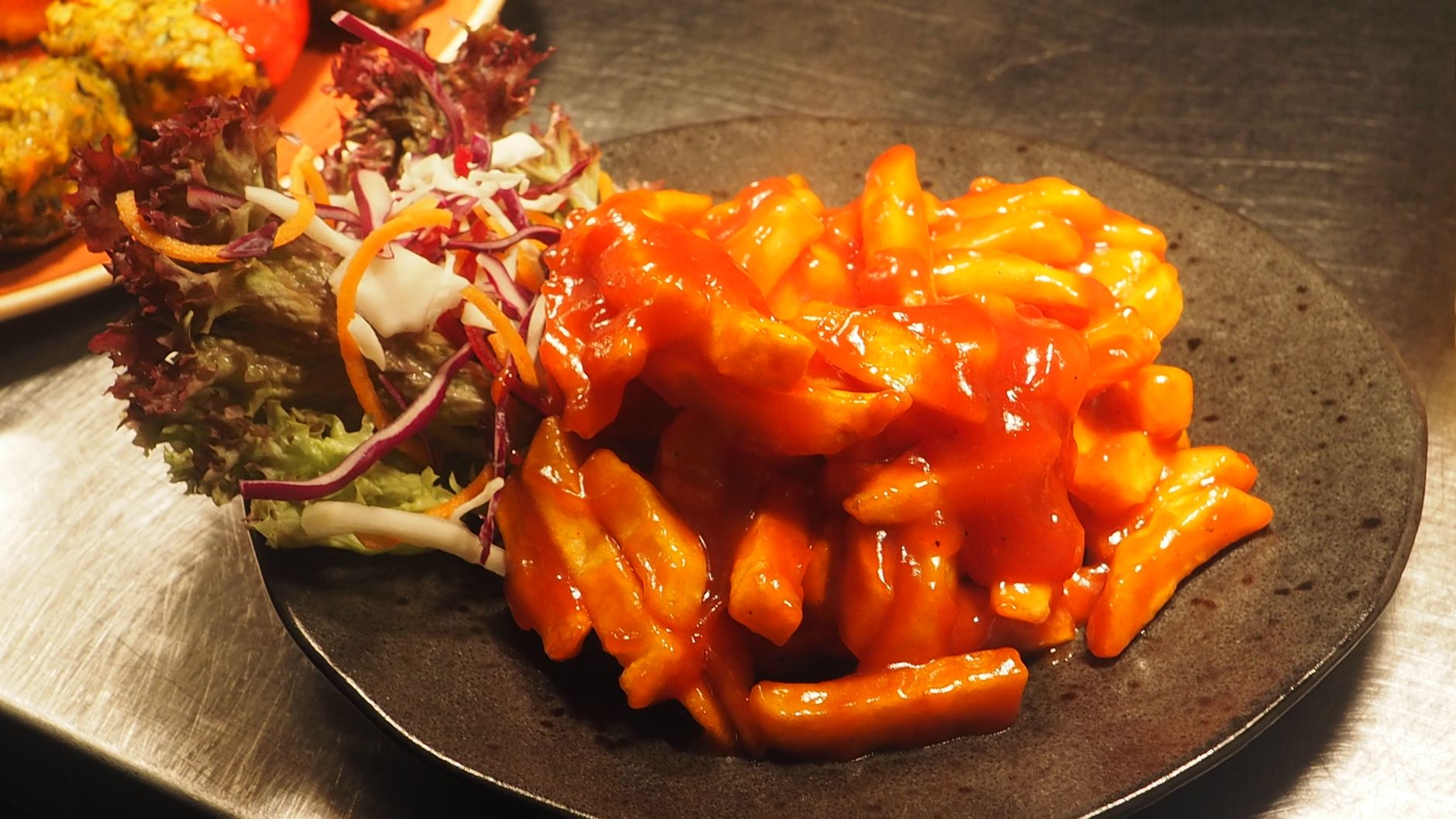
Tteokbokki is a beloved Korean street food known for its spicy, sweet, and chewy characteristics. It consists primarily of rice cakes and a diverse array of ingredients that enhance its flavor and texture. With various options for customization, this dish has become popular not only in Korea but also around the world, making it a perfect candidate for a home-cooked meal.
In this article, we will explore what tteokbokki is made of, including its key ingredients, variations, serving suggestions, and cooking techniques. Understanding these components will help you make a delicious batch at home, whether you’re a first-time cook or a seasoned chef.
What Is Tteokbokki Made Of?
Tteokbokki is primarily made from rice cakes, specifically a type called “tteok.” The dish is typically enjoyed with a sauce made from gochujang (Korean red chili paste), but numerous other ingredients can be added to enhance its flavor. The base elements include:
- Rice cakes (tteok)
- Gochujang (Korean red chili paste)
- Fish cakes (odeng)
- Vegetables (onions, scallions, cabbage)
- Broth (water or stock)
- Eggs (optional)
- Sesame seeds (for garnish)
- Sugar (for sweetness)
Understanding the Main Ingredients
To cook tteokbokki, it’s essential to understand each ingredient’s role, flavor, and preparation method. Here’s a more detailed look at each component:
1. Rice Cakes (Tteok)
The star of tteokbokki, rice cakes are chewy cylindrical pieces made from glutinous rice or non-glutinous rice flour. Tteok can be found in various forms, but for tteokbokki, the most common variety is “baekseolgi tteok,” which means “steamed white rice cake.” You can purchase fresh or frozen rice cakes from Asian grocery stores.
2. Gochujang (Korean Red Chili Paste)
This fermented paste adds a distinct flavor profile to tteokbokki, contributing spiciness, sweetness, and umami. Made from red chili powder, glutinous rice, meju powder (fermented soybean), and salt, gochujang is a staple in Korean cooking. Using quality gochujang significantly affects the taste of the dish.
3. Fish Cakes (Odeng)
Odeng, often seen in tteokbokki, adds a rich umami flavor. They are made from minced fish that is typically seasoned and formed into various shapes. You can find them fresh or frozen, and they usually come in a variety of textures and flavors.
4. Vegetables
Common vegetables include:
- Onions: Sweet and savory, they enhance the overall flavor.
- Scallions: Added for a fresh, slightly pungent flavor, scallions provide a crisp texture.
- Cabbage: Adds a nice crunch and absorbs the sauce well.
5. Broth
The choice of broth can significantly impact the dish. While water is the simplest option, using a flavorful broth, such as anchovy or vegetable stock, adds depth to the tteokbokki.
6. Eggs
Soft-boiled or hard-boiled eggs can be added for richness and additional protein, enhancing the meal’s heartiness.
7. Sesame Seeds
As a garnish, toasted sesame seeds add a nutty flavor and visual appeal to the final dish.
8. Sugar
A small amount of sugar is often added to balance the spiciness from gochujang and to round out the flavor profile of the sauce.
Essential Equipment for Cooking Tteokbokki
To prepare tteokbokki, you will need the following equipment:
- A large pot or wok for cooking
- A wooden spoon or spatula for stirring
- A cutting board and knife for chopping vegetables
- Measuring cups and spoons for accurate ingredient measurements
- A strainer for draining water (if necessary)
Step-by-Step Method for Making Tteokbokki
Below is a straightforward method to cook a classic tteokbokki. This recipe yields approximately 4 servings.
Prep Time
15 minutes
Cook Time
20 minutes
Total Time
35 minutes
Ingredients
- 300g tteok (rice cakes)
- 2 cups water or broth
- 3 tbsp gochujang
- 1 tbsp sugar
- 150g odeng (fish cakes), cut into bite-sized pieces
- 1 medium onion, sliced
- 1 cup cabbage, chopped
- 2 scallions, cut into 2-inch lengths
- 2 eggs, boiled (optional)
- Sesame seeds for garnish
Instructions
- Rinse the rice cakes under cold water to remove excess starch. If using frozen rice cakes, soak them in warm water for about 15 minutes to soften.
- In a large pot, combine the water (or broth), gochujang, and sugar. Stir well to dissolve the paste over medium heat.
- Once the mixture is boiling, add the tteok and reduce the heat to medium-low. Allow it to simmer for about 5 minutes.
- Add the sliced onion, cod cake, and cabbage to the pot. Stir to combine and let simmer for an additional 5-7 minutes, or until the sauce starts to thicken and the tteok is tender.
- Add the scallions and boiled eggs (if using) to the pot. Stir everything gently and cook for another 2-3 minutes until the scallions are just wilted.
- Remove from heat and transfer to a serving dish. Garnish with sesame seeds before serving.
Variations and Customizations
Tteokbokki is versatile, and you can customize it in numerous ways. Here are some popular variations:
- Cheesy Tteokbokki: Add slices of cheese on top during the final minutes of cooking for a creamy twist. Mozzarella is recommended for its melting properties.
- Spicy Seafood Tteokbokki: Incorporate shrimp, squid, or clams for a seafood-themed dish.
- Vegetarian Tteokbokki: Omit the fish cakes, and add tofu or extra vegetables like bell peppers or carrots for a meat-free option.
- Sweet and Spicy Tteokbokki: Increase the amount of sugar for a sweeter profile, which balances the heat effectively.
Serving Tips for Tteokbokki
Tteokbokki can be served as a quick snack, appetizer, or main dish. Here are some serving tips:
- Serve hot to enjoy the chewy texture of the rice cakes and the thick sauce.
- Pair with beer or soju for a traditional Korean experience.
- Include Korean fried mandu (dumplings) or kimbap (Korean rice rolls) as side dishes for a complete meal.
- Garnish with extra sesame seeds and chopped scallions for added texture and flavor.
Common Mistakes and Troubleshooting
When making tteokbokki, some common mistakes can affect the dish’s outcome. Here are tips to avoid issues:
- Overcooking the Rice Cakes: Monitor cooking time closely to prevent the rice cakes from becoming too soft. They should retain a chewy texture.
- Too Thick or Too Watery Sauce: If the sauce is too thick, add some water or broth to loosen it up. Conversely, if it’s too watery, let it simmer longer to thicken.
- Unbalanced Flavor: Adjust the seasoning by adding more gochujang for heat, sugar for sweetness, or water/broth for balance.
Storage and Reheating Tips
Tteokbokki is best enjoyed fresh, but it can be stored for later consumption. Here are some guidelines:
- Store leftovers in an airtight container in the refrigerator for up to 2 days.
- Reheat in a saucepan over low heat. If the sauce has thickened, add a splash of water or broth as you heat.
- Avoid freezing the dish, as the rice cakes may become mushy when thawed.
Final Thoughts
Tteokbokki is a delightful dish that brings warmth and comfort. Understanding the essential ingredients, cooking techniques, and variations available allows you to create this flavorful dish at home.
Get started today by shopping for your ingredients, and enjoy the process of making this beloved Korean cuisine. Check out our gochujang sauce recipe and ssamjang recipe for more ways to explore Korean flavors.