
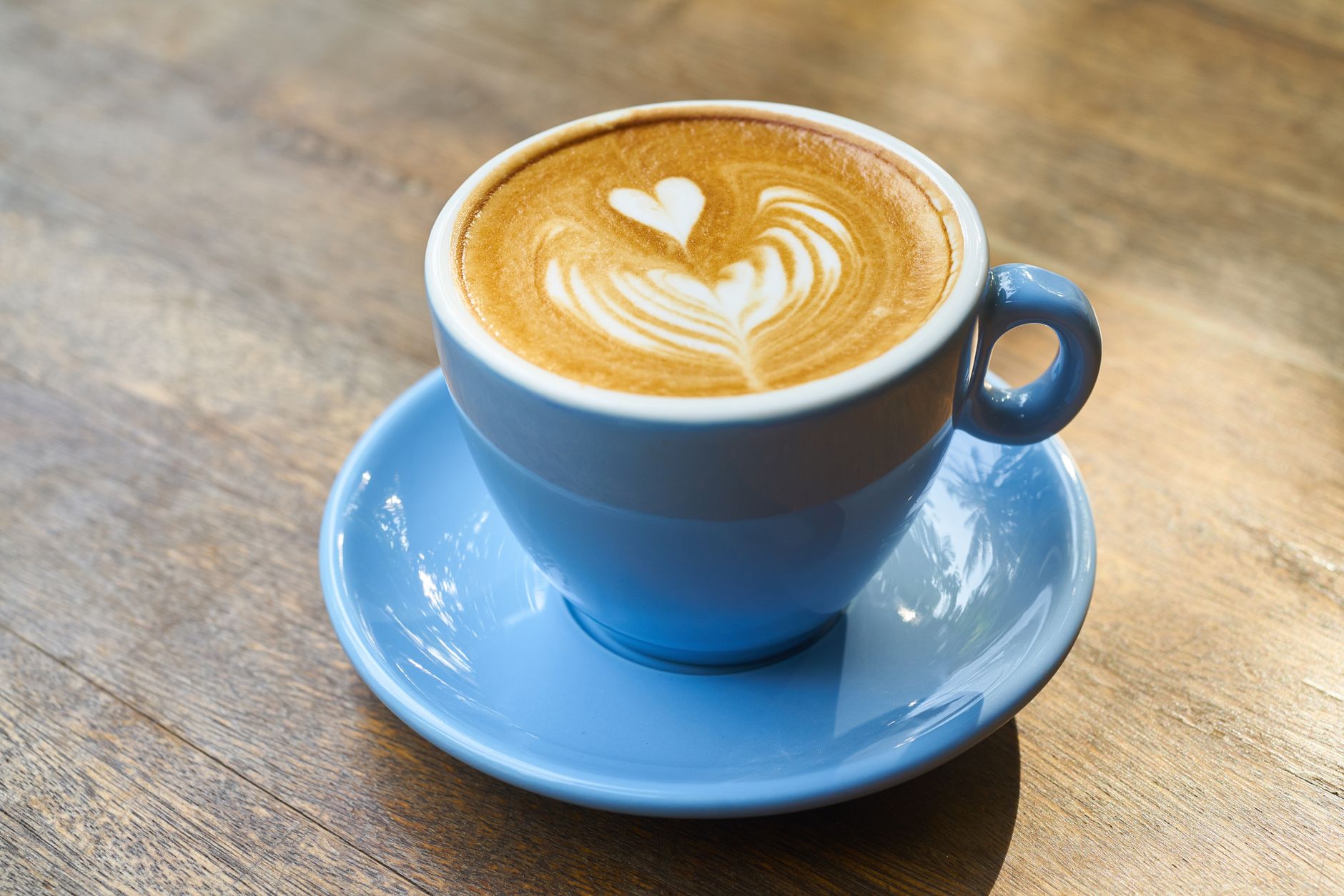
Coffee is more than just a morning ritual; it’s a beloved beverage that many people turn to for an energy boost and a moment of comfort. However, understanding the nutritional profile of coffee, particularly its calorie content, can help inform your choices, particularly if you are monitoring your calorie intake.
In this article, we will explore how many calories are in one cup of coffee, including factors that influence this figure, variations in preparation methods, and tips for enjoying your favorite brew without adding unwanted calories.
How Many Calories in One Cup of Coffee?
One cup of brewed black coffee typically contains about 2 calories without any added ingredients like sugar or cream. The calorie count can rise significantly depending on what you add to your coffee and how you prepare it.
Understanding the Basic Ingredients and Their Impact on Calories
To fully understand the calorie content in your cup of coffee, it’s important to consider the various ingredients that can be included, as well as the brewing method used. Let’s break it down.
Black Coffee
- Calories: Approximately 2 calories per 8-ounce cup
Black coffee is essentially calorie-free, provided you do not add sugar, cream, or other flavorings. This makes it an excellent choice for those looking to limit their calorie consumption.
Creamer and Milk Options
When you add cream or milk, the calorie count can increase dramatically. Here’s a comparison:
- Whole Milk (1 oz): 18 calories
- 2% Milk (1 oz): 15 calories
- Skim Milk (1 oz): 10 calories
- Heavy Cream (1 oz): 51 calories
- Coconut Cream (1 oz): 45 calories
The type of milk or creamer you choose can make a significant difference. If you’re looking to keep calories lower, opt for non-fat or skim milk versus heavy cream.
Sugar and Sweeteners
Adding sugar or sweeteners also contributes to the calorie content:
- Granulated Sugar (1 teaspoon): 16 calories
- Honey (1 teaspoon): 21 calories
- Artificial Sweeteners: Generally 0 calories (read labels)
While sugar provides a quick sweet fix, it does add calories. Consider alternatives like natural sweeteners or artificial sweeteners to reduce calorie intake without sacrificing taste.
Flavored Coffees and Specialty Drinks
Flavored coffees, lattes, or specialty drinks can have varying calorie counts:
- Vanilla Latte (12 oz): Approximately 200 calories
- Caramel Macchiato (12 oz): Approximately 250 calories
- Mocha (12 oz): Approximately 320 calories
These drinks often contain milk, sweeteners, and syrups, contributing to their higher calorie counts. If you enjoy these beverages, consider ordering them with fewer syrups or non-fat milk to reduce calorie intake.
Brewing Methods and Their Caloric Influence
Different brewing methods can also impact the overall flavor and how you might enjoy your coffee, but they do not usually change the calorie content significantly unless you add ingredients. Here are some common methods:
Drip Coffee
Drip coffee is the most common method and contains negligible calories when served black. There is minimal variation based on how it is brewed.
Espresso
A shot of espresso is about 1 calorie. It’s dense and strong, and can serve as a base for various drinks. When consumed alone, it remains low in calories.
French Press
French press coffee also contains approximately 2 calories per 8-ounce cup when consumed black. The brewing method might enhance flavor but does not increase caloric content significantly.
Cappuccino
A cappuccino, featuring equal parts espresso, steamed milk, and frothed milk, can have around 60 calories if made with whole milk. Adjustments to skim or non-fat milk can reduce this amount.
Gourmet and Specialty Coffees
Getting a coffee from your favorite café can lead to surprising calorie counts. Here’s a breakdown of some popular options:
- Flat White (8 oz): Approximately 200 calories
- Mocha Frappuccino (12 oz): Approximately 450 calories
- Cold Brew with Cream (16 oz): Approximately 120 calories
Gourmet options often include additional ingredients that can pile on the calories. Always look at nutrition guides available at cafés or online to make informed choices.
How to Enjoy Your Coffee Without Excess Calories
To keep your daily coffee habit low in calories while still enjoying it, consider the following tips:
Opt for Unsweetened Variants
The best way to keep calorie counts low is to drink your coffee black or with a touch of milk without added sugar. This way, you enjoy the rich flavors of the coffee itself without smothering them in calories.
Experiment with Flavored Coffees
Rather than adding syrup or sugar, try flavored coffee grounds such as hazelnut or vanilla. These can provide a delightful taste without extra calories.
Use Low-Calorie Sweeteners
If you do like a bit of sweetness, consider using low-calorie sweeteners like Stevia or Monk Fruit. These can add flavor without significantly increasing calorie intake.
Limit Cream and Sugar
Setting limits on how much cream or sugar you use in your coffee can quickly reduce unnecessary calories. Portion out these ingredients and stick to light measures.
Choose Smaller Sizes
Ordering a smaller size of your favorite drink can inherently reduce the number of calories consumed. Instead of a venti, aim for a tall size.
Common Mistakes and How to Avoid Them
There are a few common mistakes made when calculating the calories in coffee. Here’s how to avoid them:
Forgetting About Additional Ingredients
People often forget that flavors and syrups have calories. Always consider what’s in your drink beyond the coffee itself.
Assuming All Coffees Are the Same
Different coffee drinks and methods produce different results. Understand that a black coffee is not the same as a latte or frappuccino, and adjust your expectations accordingly.
Neglecting Serving Sizes
Pay attention to serving sizes as many coffee drinks are larger than a standard cup. If you’re consuming a large beverage, be mindful of the calories.
Storage and Reheating Tips
If you brew more coffee than you need, proper storage can ensure it remains delicious for another day:
Storing Brewed Coffee
Cool the coffee to room temperature, then store it in an airtight container in the refrigerator. Brewed coffee is best consumed within 3-4 days for optimal flavor.
Reheating Brewed Coffee
To reheat, gently warm coffee in a microwave or in a saucepan over low heat. Avoid boiling, as this can affect the flavor. Always stir well after heating to ensure even temperature distribution.
Conclusion
Understanding how many calories are in your coffee—and the variables that can impact this number—can help you make more informed choices about your favorite caffeinated drink. Whether you enjoy it black or with added flavorings, you can always tailor your coffee experience to suit your dietary needs.
For additional options to enhance your coffee experience, consider trying our protein coffee recipe for a nutritious twist, or indulge in something sweet with our Mexican hot chocolate recipe.