
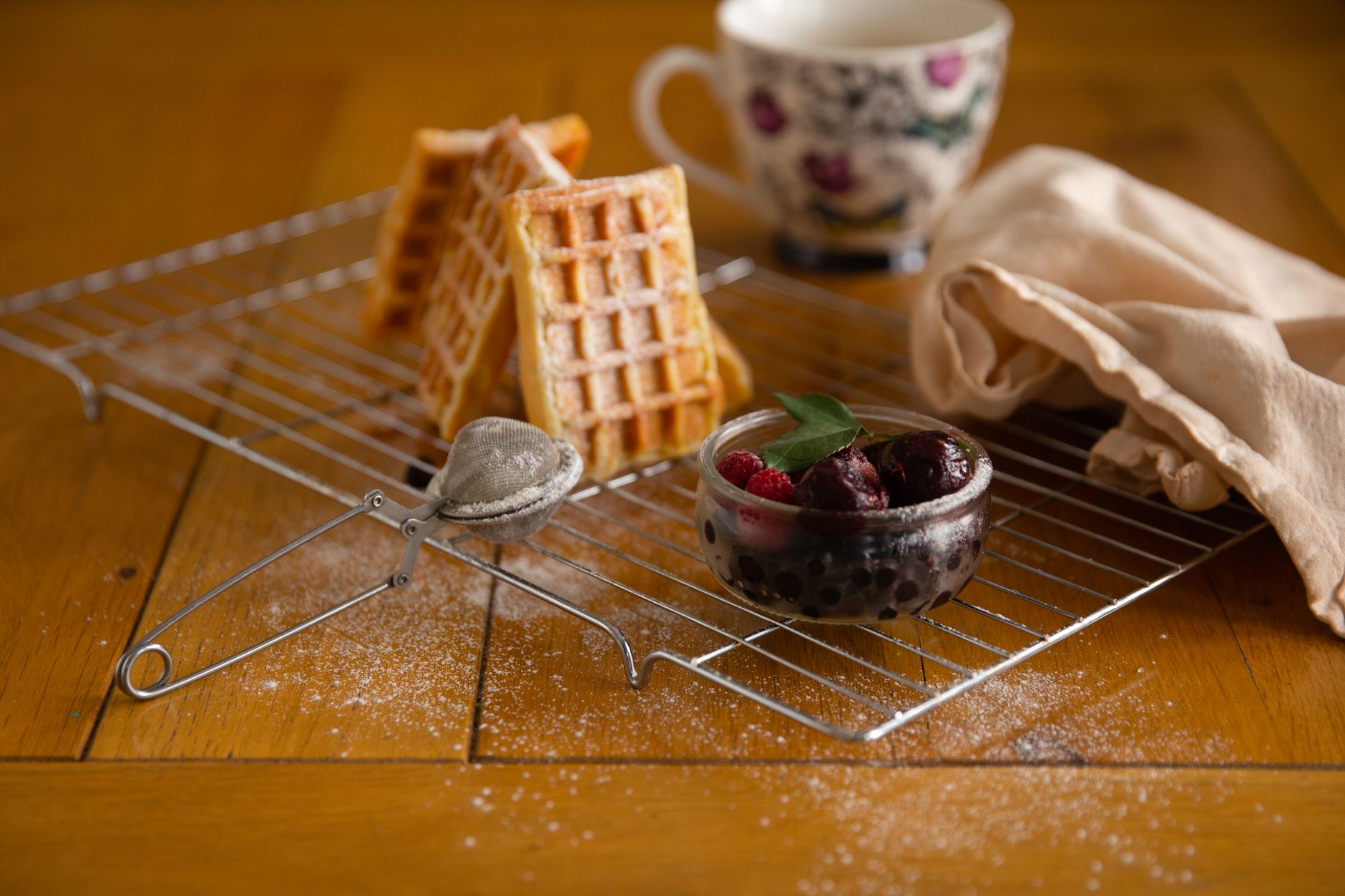
Confectioners sugar, also known as powdered sugar or icing sugar, is a staple ingredient in many dessert recipes. Its fine texture lends itself well to creating smooth icings, fluffy frostings, and delightful dustings on pastries. However, a common question among cooks is whether confectioners sugar can go bad.
This article explores the shelf life of confectioners sugar, how to store it properly, and signs that might indicate it’s time to discard it. Understanding these aspects will help you keep your pantry stocked and ensure your baked goods turn out beautifully.
Does Confectioners Sugar Go Bad?
Yes, confectioners sugar can go bad, but it has a long shelf life when stored correctly. While it may not spoil in the same way perishable food does, it can lose quality over time due to moisture absorption and clumping. Let’s delve into what affects its longevity and how you can keep it fresh.
Shelf Life of Confectioners Sugar
The shelf life of confectioners sugar is influenced by its storage conditions. When stored in a cool, dry place, it can last for years. Here’s a general idea of how long it keeps:
- Unopened Packages: 2-3 years
- Opened Packages: 1-2 years
These time frames can vary based on the brand and ingredients used, so always check the packaging for specific guidance.
Signs That Confectioners Sugar Has Gone Bad
While confectioners sugar doesn’t spoil like perishable foods, there are indications to look out for:
1. Clumping
If you notice that your confectioners sugar has developed hard clumps, this is likely due to moisture exposure. While it’s not harmful, this clumping can affect the texture of your frostings and icings. You can sift the sugar to break up clumps, but if significant clumping occurs, consider replacing it.
2. Off Odor
A rancid or off smell can indicate that your sugar has absorbed moisture or contaminants from the air. While confectioners sugar has a mild sweetness, any significant change in aroma should raise a red flag.
3. Discoloration
Powdered sugar should maintain a pure white color. If it appears yellowed or grayish, this could suggest it has been improperly stored or contaminated.
4. Insect Infestation
If you find any signs of pests, such as tiny holes in the packaging or actual insects, it is time to discard the sugar. Even if the sugar seems unaffected, the risk of contamination is too high.
How to Store Confectioners Sugar Properly
Proper storage is key to prolonging the shelf life of your confectioners sugar. Follow these guidelines to keep it fresh:
1. Use Airtight Containers
If you open a bag of confectioners sugar, transfer any unused sugar to an airtight container. This protects it from moisture and contaminants in the air.
2. Keep it Cool and Dry
Store confectioners sugar in a cool, dry place away from heat sources and humidity. Ideal storage conditions include a pantry or cupboard.
3. Avoid Refrigeration or Freezing
While refrigerating or freezing may seem like an option to prolong shelf life, it can introduce moisture when removed for use, leading to clumping. Therefore, it’s best to avoid these methods.
Using Confectioners Sugar in Recipes
Confectioners sugar can be used in various recipes, providing sweetness and texture to desserts. Here are some popular ways to incorporate it into your cooking:
1. Frosting and Icing
Confectioners sugar is a key ingredient in many frostings and icings, creating smooth and spreadable toppings. The sugar dissolves easily, giving a light and fluffy texture.
2. Dusting on Pastries
For a simple yet elegant touch, a dusting of confectioners sugar can elevate the presentation of cakes, pastries, and cookies. It also adds a hint of sweetness.
3. Sweetening Whipped Cream
When making whipped cream, confectioners sugar serves as an excellent sweetener. It blends seamlessly, providing a smooth finish for toppings on pies or cupcakes.
Practical Substitutions for Confectioners Sugar
If you find yourself running low on confectioners sugar, there are a few alternatives you can consider:
1. Granulated Sugar
Granulated sugar can be blended in a food processor or blender to create a powdered texture. However, this homemade version may not dissolve as quickly as commercial confectioners sugar.
2. Coconut Sugar
Coconut sugar can be ground into a powder and used as a substitute, but it may impart a caramel-like flavor and a darker color.
3. Cornstarch Mixture
In a pinch, you can mix granulated sugar with cornstarch to approximate the fine texture and prevent clumping (use 1 tablespoon of cornstarch for every cup of sugar).
Common Mistakes to Avoid When Using Confectioners Sugar
To achieve the best results with confectioners sugar, keep these common pitfalls in mind:
1. Not Sifting
Failing to sift confectioners sugar before using it can lead to lumps in your icing or frosting. Always sift to ensure a smooth consistency.
2. Using Old Sugar
Using confectioners sugar that has been stored improperly or for too long can negatively affect texture and taste. Always check for signs of spoilage before use.
3. Incorrect Measurements
When measuring confectioners sugar, use a spoon to scoop the sugar into a measuring cup instead of packing it down, as this can lead to using too much sugar and affecting your recipe.
Make-Ahead Tips for Baked Goods Using Confectioners Sugar
If you’re preparing baked goods that require confectioners sugar, consider the following make-ahead tips:
1. Prepare Frostings Ahead of Time
Frostings made with confectioners sugar can be made ahead and stored in the refrigerator for a few days. Ensure you keep it in an airtight container to prevent drying out.
2. Freeze Iced Cakes
Cakes that have already been frosted can be frozen for later use. Ensure the frosting is fully set before wrapping the cake tightly to prevent damage.
3. Store Cookies Correctly
For cookies dusted with confectioners sugar, store them in a container with parchment paper between layers to prevent sticking.
Conclusion
In summary, while confectioners sugar does have a long shelf life, proper storage and regular checks for signs of spoilage are crucial for ensuring its quality. Whether you’re icing a cake or dusting pastries, understanding how to manage your confectioners sugar can elevate your baking and dessert-making endeavors.
If you’re looking for delicious recipes that utilize confectioners sugar, consider trying your hand at making powdered sugar icing or a delightful sugar cookie frosting. Happy baking!