
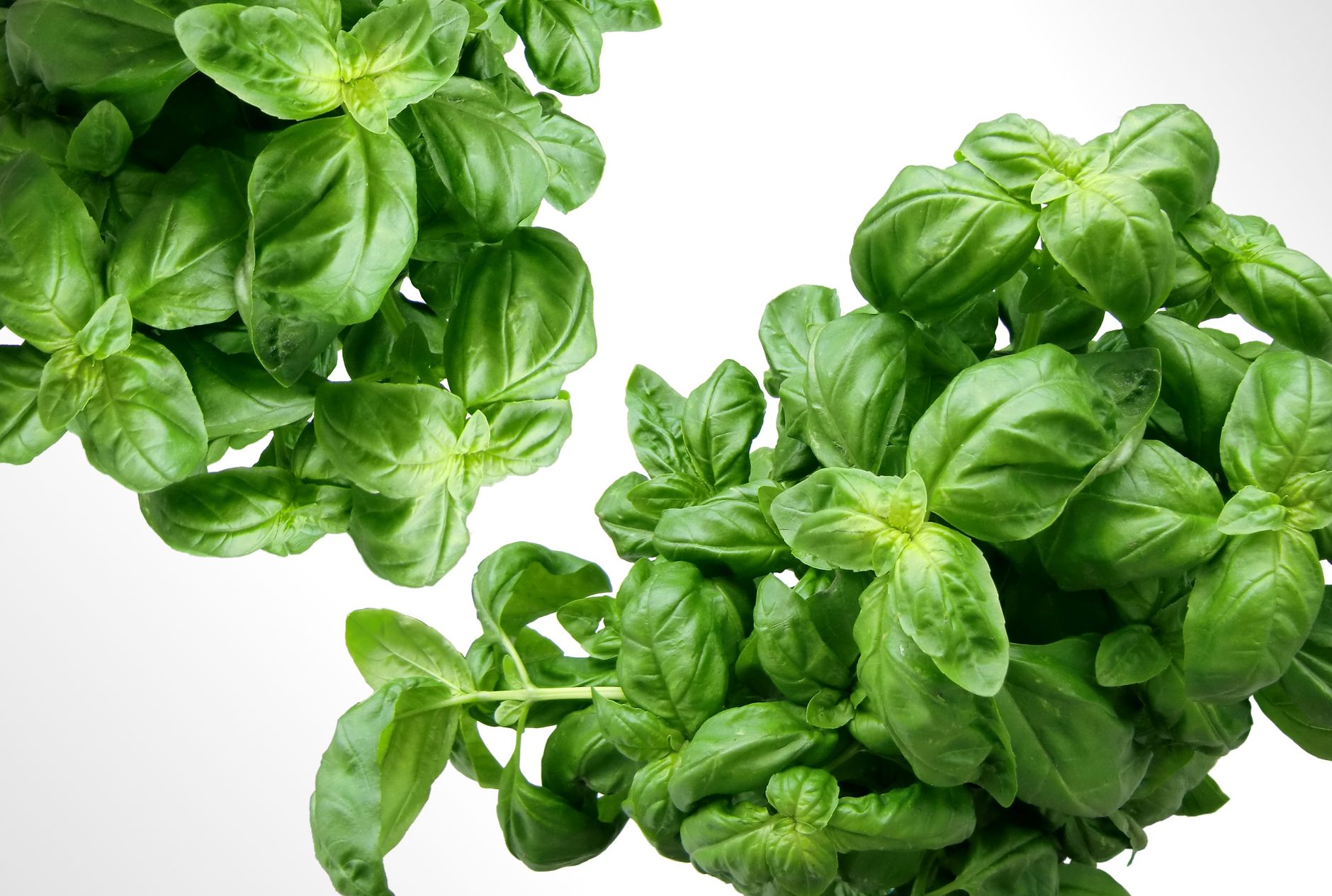
Italian seasoning is a popular blend of herbs used to enhance the flavor of a variety of dishes. With a primary focus on Italian cuisine, this seasoning typically comprises basil, oregano, thyme, rosemary, and other ingredients. A common question among those with dietary restrictions or gluten sensitivity is whether Italian seasoning is gluten-free.
In most cases, Italian seasoning itself is gluten-free, as it contains herbs that are naturally free from gluten. However, it’s essential to consider the source and potential cross-contamination risks. This article will provide a comprehensive understanding of Italian seasoning, its gluten status, and tips for serving and cooking with this versatile ingredient.
Is Italian Seasoning Gluten Free?
Yes, most Italian seasoning blends are gluten-free, as they primarily consist of dried herbs. However, it is crucial to check the packaging for any gluten-containing additives or risk of cross-contamination during processing. Always consider brands that specifically label their products as gluten-free.
Understanding Italian Seasoning
Italian seasoning is an aromatic blend of herbs that captures the essence of Italian cooking. While the exact composition can vary by brand and recipe, the primary herbs included are:
- Basil
- Oregano
- Thyme
- Rosemary
- Marjoram
- Sage
These herbs are typically dried and ground, making them convenient for seasoning a variety of dishes, such as pasta, pizza, soups, and marinades. The combination provides a warm, earthy flavor with subtle notes that evoke the taste of Italy.
Identifying Gluten in Seasonings
Gluten is a protein found in wheat, barley, and rye, which can pose health risks for individuals with celiac disease or gluten sensitivity. When considering Italian seasoning or any spice blend, here are key points to examine:
- Read Labels: Always check the ingredient list for any hidden sources of gluten, such as flour or any grain-based fillers.
- Look for Certifications: Many brands manufacture gluten-free products with certification from relevant health organizations. Look for recognizable gluten-free symbols.
- Cross-Contamination: Seasonings produced in facilities that process gluten-containing products may carry a risk of cross-contamination.
How to Use Italian Seasoning in Cooking
Italian seasoning can transform everyday meals into flavorful dishes. Here are various ways to incorporate this seasoning into your cooking:
1. Pasta Dishes
Add a sprinkle of Italian seasoning to your pasta sauce while it simmers to infuse rich flavors. It works exceptionally well with tomato-based sauces, cream sauces, and meat sauces.
2. Marinating Meats
Combine Italian seasoning with olive oil, vinegar, and garlic to create a robust marinade for chicken, beef, or seafood. Allow the protein to marinate for at least 30 minutes for maximum flavor absorption.
3. Vegetable Dishes
Toss vegetables in Italian seasoning before roasting them in the oven. This enhances their natural sweetness and adds depth to the flavor profile. It works well with bell peppers, zucchini, and eggplant.
4. Soups and Stews
Add Italian seasoning to soups and stews for a comforting taste. It pairs wonderfully with minestrone, bean soups, and vegetable broths.
5. Pizza Toppings
Sprinkle Italian seasoning directly onto pizza before baking, or mix it into the tomato sauce for an added layer of flavor. It’s also great for seasoning homemade pizza crust.
Practical Tips for Using Italian Seasoning
To get the best flavor from Italian seasoning, consider the following tips:
- Freshness Matters: Dried herbs lose potency over time. Make sure to use recent and well-stored herbs for optimal flavor.
- Add Early: For soups and sauces, add Italian seasoning at the beginning of cooking to allow the flavors to meld.
- Balance Flavors: While Italian seasoning adds great flavor, balance it with other seasonings, especially salt and pepper, for a well-rounded dish.
- Blend with Other Ingredients: It can also be mixed with breadcrumbs or even used in dips for an added flavor boost.
Making Your Own Italian Seasoning
If you prefer a fresh and customized blend, making your own Italian seasoning is straightforward and allows you to control the ingredients. Here’s a simple recipe:
Homemade Italian Seasoning Blend
This blend combines favorite herbs for a delightful Italian flavor profile.
- 2 tablespoons dried basil
- 2 tablespoons dried oregano
- 1 tablespoon dried thyme
- 1 tablespoon dried rosemary
- 1 tablespoon dried parsley (optional)
- 1 teaspoon garlic powder
- 1 teaspoon onion powder
Instructions
- In a bowl, combine all the dried herbs and spices.
- Mix thoroughly to ensure an even distribution of flavors.
- Transfer the blend to an airtight container and store it in a cool, dark place.
This homemade seasoning can last for up to six months and can be adjusted based on personal preferences by adding or omitting certain spices.
Common Mistakes and Troubleshooting
While using Italian seasoning, it’s easy to make a few missteps:
1. Overseasoning
Using an excessive amount can overpower the dish. Start with a small amount and adjust according to taste.
2. Not Allowing Flavors to Develop
Herbs need time to infuse their flavor into the dish. Avoid adding them at the last minute when possible.
3. Ignoring Freshness
If your herbs have been in the cupboard for over a year, it’s time to refresh your stock. Dried herbs don’t last forever.
Storage Tips for Italian Seasoning
Proper storage extends the shelf life of your spices. Here are some tips on how to store Italian seasoning:
- Cool, Dark Place: Keep your seasoning in a pantry or cupboard away from light and heat.
- Airtight Containers: Use glass jars or tightly sealed plastic containers to prevent moisture and air from degrading the herbs.
- Label with Dates: If you create your blend, label the container with the date it was made to track freshness.
Exploring Alternatives to Italian Seasoning
If you run out of Italian seasoning or wish to explore different flavors, consider these alternatives:
1. Mediterranean Seasoning
This blend often includes similar herbs but may also include spice elements like paprika or cumin for added flavor.
2. Herbes de Provence
A French herb blend, Herbes de Provence has a floral note due to the inclusion of lavender. It works well in place of Italian seasoning but may impart a different flavor profile.
3. Pizza Seasoning
Essentially a more intense version of Italian seasoning, pizza seasoning often includes crushed red pepper, making it spicier.
Ingredient Check for Gluten Sensitivity
When preparing dishes using Italian seasoning, it’s essential to examine the other ingredients for gluten. Here are common gluten-containing ingredients to watch for:
- Pasta: Regular pasta is made from wheat, so opt for gluten-free pasta varieties.
- Bread: Traditional bread contains gluten, but many gluten-free alternatives are available.
- Store-bought Sauces: Some sauces may contain gluten as a thickening agent or filler, so always read the labels.
Conclusion
Most Italian seasoning blends are gluten-free, making them a great option for flavoring meals without gluten concerns. However, always verify label information for potential allergens. Whether you’re enriching pasta dishes, meats, or vegetables, Italian seasoning is an indispensable ally in the kitchen. For those looking for homemade options, crafting your blend ensures both flavor and safety.
To further enhance your cooking repertoire, consider diving into our gluten-free gnocchi recipe or refreshing your hydration game with a strawberry acai refresher recipe.