
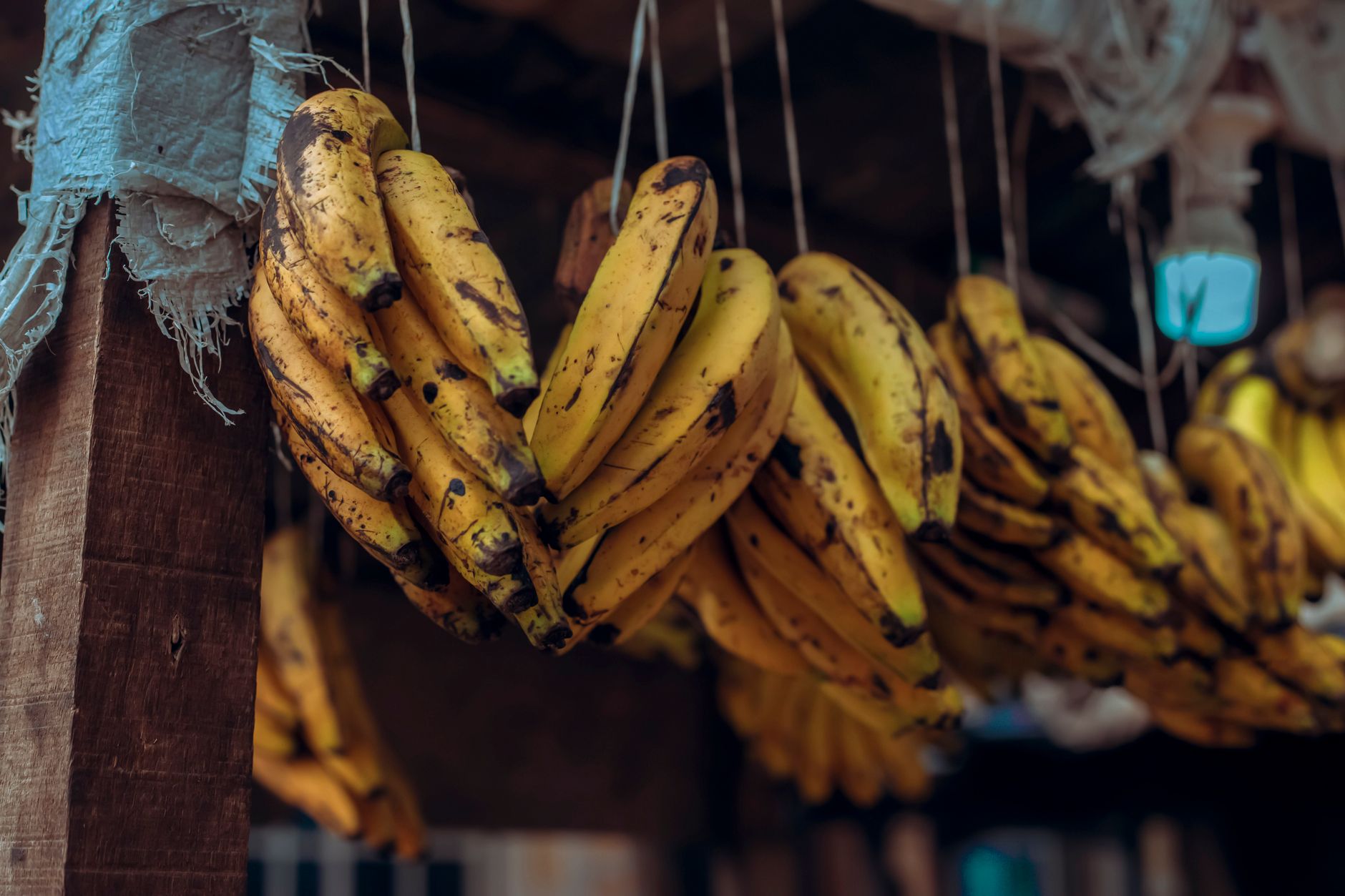
Bananas are one of the most popular fruits worldwide, lauded for their portability, natural sweetness, and nutritional benefits. However, a question that has surfaced among health-conscious individuals is, “Do bananas cause dementia?” This article delves into the relationship between bananas and dementia, while also providing insight into their nutritional value and culinary uses.
Before we address the concerns surrounding bananas and dementia, it is essential to understand the nutritional profile of this fruit and explore its benefits. Bananas can be used in various culinary applications, from smoothies to baked goods. This guide aims to offer a comprehensive understanding of bananas and how to incorporate them into a balanced diet without fear of cognitive decline.
Do Bananas Cause Dementia?
The straightforward answer is no, bananas do not cause dementia. In fact, bananas can be part of a healthy diet that supports cognitive function. While there is no direct link that implicates bananas in increasing the risk of dementia, some studies suggest that diets rich in fruits and vegetables may help protect against cognitive decline. Bananas, with their array of vitamins and minerals, belong to this beneficial category.
Understanding Dementia
Dementia is an umbrella term for a range of progressive brain disorders affecting memory, thought, and social abilities. The most common type is Alzheimer’s disease. While several factors contribute to the onset of dementia, including genetics, age, and lifestyle choices, diet plays a crucial role in maintaining brain health.
Factors Contributing to Dementia
- Genetics: Family history plays a significant role in increasing the risk of developing dementia.
- Age: Aging is a primary risk factor; the majority of cases occur in individuals over the age of 65.
- Lifestyle Choices: Physical activity, social engagement, and diet are all crucial lifestyle factors that can influence cognitive health.
The Nutritional Benefits of Bananas
Bananas are rich in essential nutrients that offer various health benefits. Here’s a quick look at their nutritional profile:
Key Nutritional Components
- Potassium: Helps regulate blood pressure and supports heart health.
- Vitamin C: An antioxidant that aids in immune function and skin health.
- Vitamin B6: Critical for brain health, aids in forming neurotransmitters.
- Fiber: Promotes digestive health and can help maintain a healthy weight.
- Magnesium: Supports muscle and nerve function, while also playing a role in mood regulation.
Bananas and Brain Health
Research shows that certain nutrients found in bananas can positively impact brain function. Here are some compelling points regarding how bananas contribute to overall cognitive health:
1. Potassium and Brain Function
Potassium is vital for transmitting nerve impulses and maintaining brain function. Adequate potassium levels help reduce the risk of stroke and other neurological conditions.
2. Antioxidants and Neuroprotection
Bananas contain several antioxidants, including dopamine and catechins, which are beneficial in reducing oxidative stress and inflammation in the brain. This neuroprotective effect may aid in lower dementia risk.
3. Role of Vitamin B6
Vitamin B6 is essential for the production of neurotransmitters such as serotonin, dopamine, and GABA. These compounds are crucial for mood regulation and cognitive health.
Culinary Uses of Bananas
Bananas are incredibly versatile. Beyond eating them raw, there are numerous ways to incorporate bananas into your meals:
Breakfast Ideas
- Banana Smoothie: Blend bananas with yogurt, spinach, and a nut butter for a nutrient-packed breakfast.
- Oatmeal: Slice bananas on top of a bowl of oatmeal with a sprinkle of cinnamon and nuts.
- Pancakes: Mash bananas to add natural sweetness to your pancake batter.
Snack Options
- Peanut Butter Banana Toast: Spread peanut butter on whole-grain toast and top it with sliced bananas.
- Banana Chips: Dehydrate banana slices for a crunchy, healthy snack.
Dessert Delights
- Banana Bread: A classic, simple recipe that uses ripe bananas to add moisture and sweetness.
- Banana Ice Cream: Blend frozen bananas for a creamy, dairy-free ice cream alternative.
Best Practices for Storing Bananas
To maximize the shelf life of your bananas and maintain their quality, consider the following tips:
Storage Tips
- Room Temperature: Store unripe bananas at room temperature. They will ripen naturally in a few days.
- Refrigeration: Once ripe, you can place bananas in the refrigerator to slow further ripening; the skin may darken, but the fruit will remain fresh.
- Freezing: For long-term storage, freeze bananas. Peel and slice them, then store them in an airtight container.
Common Mistakes and Troubleshooting
When cooking or baking with bananas, it is easy to run into a few pitfalls. Here are some common mistakes and their solutions:
1. Overripe Bananas
Using overly ripe bananas can lead to an overly moist end product. If bananas are too ripe, try using them for banana bread where their natural sweetness will be an asset.
2. Not Measuring Correctly
When using bananas in recipes, ensure you measure properly. One medium banana typically yields about 1 cup when mashed. Accurate measurements can make a big difference in the outcome of your dish.
3. Using Bananas with Brown Spots
Bananas with brown spots are sweeter and often ideal for baking, but if you’re unsure, you can still use them in smoothies or cereals.
Conclusion: Embracing Bananas for Healthy Living
Bananas are a nutritious fruit that can be a part of a healthy diet. While there are many contributing factors to dementia, bananas do not exacerbate the risk. Instead, their vitamins and minerals support brain health and overall wellness. Using bananas in various recipes can enhance your meals while keeping you health-conscious.
If you want to learn more about the nutritional content of bananas, check out how much fiber is in banana. You can also explore where do bananas come from to understand their journey from farm to table.