
The smell of boneless pork ribs sizzling in a hot pan fills your kitchen, and suddenly your weeknight dinner feels like something special. These tender, meaty strips cook faster than traditional bone-in ribs but deliver that same rich, satisfying flavor you crave.
Boneless pork ribs are a hidden gem in the meat section, often overlooked by home cooks who don’t realize how versatile and forgiving they are. They’re leaner than their bone-in cousins, cook in under an hour, and work brilliantly whether you’re pan-searing, baking, or grilling them.
Why You’ll Love This Recipe
This recipe transforms simple pork into restaurant-quality meat with minimal fuss and maximum flavor. You get crispy edges, tender interiors, and a glaze that sticks to every bite.
- Ready in under 50 minutes from start to finish
- Naturally lean protein that stays juicy when cooked properly
- Works with simple pantry ingredients you probably already have
- Impresses dinner guests without complicated techniques
- Reheats beautifully for easy leftovers
My Experience Making This Recipe
The first time I made boneless pork ribs, I was skeptical they’d have enough flavor without the bone. I was completely wrong. The high heat sear creates this incredible crust while the meat underneath stays buttery and tender.
My family demolished the entire batch in minutes, and I’ve made them at least once a month ever since. The glaze caramelizes just enough to coat your fingers, and the kitchen smells unbelievable while they cook.
What surprised me most was how forgiving the cooking method is. You don’t need fancy equipment or perfect timing, just good heat and attention for those last few minutes under the broiler. Even my teenage daughter, who usually avoids the kitchen, asked if she could help make them again.
Recipe Overview
- Recipe Name: Pan-Seared Boneless Pork Ribs with Caramelized Glaze
- Servings: 4
- Prep Time: 10 minutes
- Cook Time: 35 minutes
- Total Time: 45 minutes
- Course: Main Dish
- Cuisine: American
- Calories per Serving: 385
Equipment You Will Need
- Large cast-iron skillet or heavy stainless steel pan
- Paper towels
- Meat thermometer (optional but recommended)
- Shallow baking dish or oven-safe skillet
- Pastry brush or kitchen spoon for glazing
- Cutting board and sharp knife
- Measuring spoons and cups
Ingredients for Boneless Pork Ribs
- 2 pounds boneless pork ribs (also called pork rib meat or rib tips), cut into individual ribs
- 1 tablespoon kosher salt
- 1 teaspoon black pepper
- 1 teaspoon garlic powder
- 1 teaspoon smoked paprika
- 2 tablespoons olive oil
For the Glaze
- 1/2 cup barbecue sauce (your favorite brand or homemade)
- 2 tablespoons honey
- 1 tablespoon apple cider vinegar
- 1 tablespoon Dijon mustard
- 1/2 teaspoon hot sauce (optional, for subtle heat)
Ingredient Notes and Substitutions
- Boneless Pork Ribs: These are cuts from the rib section that have been boned out, giving you pure meat to enjoy. You can substitute with pork spare ribs (bone-in) if needed, though cooking time increases by 20 to 30 minutes.
- Kosher Salt: Larger crystals dissolve more slowly, allowing you to season evenly without over-salting. Regular table salt works but use about three-quarters of the amount since it’s denser.
- Smoked Paprika: Adds a subtle smokehouse flavor without actually smoking the meat. Sweet paprika works as a swap but loses that smoky depth.
- Barbecue Sauce: The backbone of your glaze that adds sweetness and tang. You can make your own by mixing ketchup, vinegar, brown sugar, and spices if you prefer control over ingredients.
- Honey: Caramelizes during cooking and adds natural sweetness that balances the tangy vinegar. Maple syrup or brown sugar work but create slightly different flavor profiles.
How to Make Boneless Pork Ribs
Step 1: Prepare Your Pork
Remove the boneless pork ribs from the package and pat them completely dry with paper towels. Moisture on the surface prevents proper browning and creates steam instead of that beautiful golden crust.
Step 2: Season the Meat
In a small bowl, mix together kosher salt, black pepper, garlic powder, and smoked paprika. Sprinkle this seasoning generously over both sides of each rib, pressing gently so it adheres well and creates a flavorful outer layer.
Step 3: Heat Your Pan
Place a large cast-iron or heavy stainless steel skillet over medium-high heat and let it preheat for 2 minutes. A properly heated pan creates that desirable crust through the Maillard reaction, which develops deep, savory flavors.
Step 4: Add Oil and Sear
Add the olive oil to your hot pan and let it shimmer for about 30 seconds. Working in batches if necessary to avoid crowding, lay the ribs flat in the pan and sear for 4 to 5 minutes on the first side without moving them around, allowing a golden brown crust to form.
Step 5: Flip and Brown the Second Side
Flip each rib carefully and sear for another 4 to 5 minutes on the second side until evenly browned. You want color on both surfaces for the best flavor and appearance.
Step 6: Prepare Your Glaze
While the ribs are searing, whisk together barbecue sauce, honey, apple cider vinegar, Dijon mustard, and hot sauce in a small bowl. This mixture should smell tangy, sweet, and rich, ready to coat and caramelize on the meat.
Step 7: Brush with Glaze
Once all ribs are seared, brush the glaze generously over the top of each one using a pastry brush or spoon. The initial glaze will start to bubble and smell amazing as it hits the hot pan.
Step 8: Finish Under the Broiler
Transfer your skillet to a preheated broiler set to high, positioning the rack about 6 inches from the heat source. Broil for 8 to 10 minutes, checking at the 5-minute mark, until the glaze caramelizes and darkens slightly but doesn’t blacken.
The internal temperature should reach 160 degrees Fahrenheit when measured with a meat thermometer at the thickest part. Remove from the broiler, let rest for 2 minutes, then serve while the glaze is still sticky and warm.
Pro Tip: Don’t flip the ribs during broiling; let gravity work for you and the glaze will concentrate on top while the bottom stays juicy and tender.
Tips for the Best Boneless Pork Ribs
- Pat the ribs completely dry before seasoning; even small drops of moisture prevent that prized crust from forming.
- Don’t skip preheating your pan; cold metal means steaming instead of searing, and your ribs will taste boiled rather than caramelized.
- Resist the urge to flip constantly; give each side a full 4 to 5 minutes of undisturbed contact with the hot surface.
- Brush the glaze on just before broiling rather than adding it during the pan searing to prevent burning and ensure the sweetness caramelizes rather than chars.
- Let the ribs rest for a few minutes after cooking so the juices redistribute throughout the meat instead of running out onto your plate.
- For extra tenderness, marinate the ribs in a simple mixture of olive oil, garlic, and vinegar for 2 to 4 hours before cooking.
Common Mistakes to Avoid
- Wet Ribs: Failing to dry them properly locks in moisture that turns into steam, preventing browning and resulting in pale, steamed meat instead of caramelized ribs.
- Overcrowding the Pan: Stacking ribs on top of each other or squeezing too many in at once drops the temperature and causes them to steam rather than sear.
- Constantly Flipping: Moving the ribs around prevents the crust from forming and makes them tough by breaking down the proteins prematurely.
- Adding Glaze Too Early: Brushing glaze on during the pan sear burns the sugars and creates a bitter taste instead of a sweet, caramelized finish.
- Overcooking: Pork ribs dry out quickly once they pass 165 degrees; aim for 160 degrees and remove them from heat immediately.
Serving Suggestions
Boneless pork ribs shine brightest when paired with sides that either complement their richness or cut through it with freshness and acid. Think about balance when planning your menu.
- Creamy coleslaw with apple cider vinegar dressing cuts through the richness of the glaze beautifully
- Buttered corn on the cob or cornbread soaks up all those delicious pan juices
- A crisp green salad with tangy vinaigrette provides freshness and helps with digestion of the rich meat
- Baked beans or collard greens add Southern comfort that pairs naturally with barbecued pork
- Roasted potatoes or sweet potato fries offer hearty substance without competing for attention
Variations to Try
- Asian-Inspired Glaze: Replace barbecue sauce with a mixture of soy sauce, ginger, garlic, and honey for a sweet and savory twist that feels completely different from the original.
- Spicy Chipotle Version: Add 1 tablespoon of chipotle puree and 1 teaspoon of lime juice to your glaze for a smoky heat that builds throughout the meal.
- Maple Bourbon Ribs: Swap honey for pure maple syrup and add 2 tablespoons of bourbon to the glaze for a rich, complex flavor perfect for fall dinners.
- Coffee-Rubbed Ribs: Mix 1 tablespoon of instant coffee powder into your dry rub and reduce the paprika slightly; the coffee amplifies savory notes without making the ribs taste like coffee.
- Mustard-Based Version: For tangier ribs, increase the Dijon mustard to 3 tablespoons and reduce the barbecue sauce to 1/4 cup, creating a sharper, more vinegary finish.
Dietary Adaptations
- Gluten-Free: Use certified gluten-free barbecue sauce and verify all seasonings and condiments are gluten-free; the cooking method remains identical with no trade-offs in flavor.
- Dairy-Free: This recipe is naturally dairy-free, making no substitutions necessary for a clean, simple meal.
- Vegan/Vegetarian: Replace pork ribs with thick slices of eggplant, pressed tofu, or cauliflower steaks and reduce broiling time to 5 to 6 minutes; the glaze works beautifully on plant-based proteins.
- Low-Carb/Keto: Use sugar-free barbecue sauce and swap honey for monk fruit sweetener to keep carbs under 5 grams per serving while maintaining satisfying richness.
Storage and Reheating
Refrigerator
Store cooked boneless pork ribs in an airtight container on the middle shelf for up to 4 days. The glaze keeps them moist and flavorful throughout storage.
- Let ribs cool to room temperature before sealing the container to prevent condensation
- Store the glaze separately if you prefer to reheat ribs without it and apply fresh glaze
Freezer
Boneless pork ribs freeze beautifully for up to 3 months when properly stored. Wrap them individually or layer them between parchment paper to prevent sticking.
- Freeze in a freezer-safe container or heavy-duty freezer bags to prevent freezer burn
- Label with the date and contents so you remember what you have
Reheating
Thaw frozen ribs overnight in the refrigerator before reheating for best results. Reheat gently to restore tenderness without drying them out.
- Oven method: Cover with foil and warm at 325 degrees for 10 to 15 minutes until heated through
- Skillet method: Heat a pan over medium-low, add a splash of water or broth, and warm ribs for 5 to 7 minutes covered
- Microwave method: Heat individual portions for 1 to 2 minutes, though this dries them faster than oven reheating
Nutrition Information
| Nutrient | Amount |
|---|---|
| Calories | 385 |
| Total Fat | 18g |
| Saturated Fat | 6g |
| Carbohydrates | 16g |
| Fiber | 0g |
| Sugar | 14g |
| Protein | 42g |
| Sodium | 620mg |
| Cholesterol | 95mg |
These values are approximate and based on standard grocery store ingredients; actual nutrition varies slightly depending on specific brands and preparation methods used.
Frequently Asked Questions
Can I Use Bone-In Ribs Instead?
Yes, bone-in ribs work perfectly, but increase cooking time by 20 to 30 minutes since the bone requires longer to render and conduct heat through the meat. Follow the same searing and broiling method.
How Do I Know When the Ribs Are Fully Cooked?
Insert a meat thermometer into the thickest part without touching bone; pork ribs are safely cooked at 160 degrees Fahrenheit. The meat should feel tender when pierced with a fork and not at all pink inside.
Can I Make This Recipe Ahead of Time?
Absolutely. Season and refrigerate the ribs for up to 12 hours before cooking, or cook them completely and reheat in the oven when ready to serve. Both methods save time on busy weeknights.
Why Did My Ribs Come Out Tough?
Overcooking is the main culprit, especially if ribs exceed 165 degrees internally. Remove them at exactly 160 degrees and let them rest for a few minutes so juices redistribute.
What’s the Difference Between Boneless and Bone-In Pork Ribs?
Boneless ribs are cuts from the rib section with all bone removed, while bone-in ribs still have the rib bones attached. Boneless ribs cook faster, are easier to serve, and contain more meat per serving, though bone-in ribs arguably have more flavor from the bone itself.
Final Thoughts
Boneless pork ribs deserve a place in your regular rotation of weeknight dinners and weekend entertaining recipes. They’re approachable enough for beginners yet impressive enough to serve to guests, and the entire process takes less than an hour from start to finish.
Make this recipe once and you’ll understand why boneless pork ribs have become my go-to when I want something that feels special without the stress. The glaze is flexible, the technique is forgiving, and the results taste like you spent hours in the kitchen when really you just spent 45 minutes and a little bit of attention.
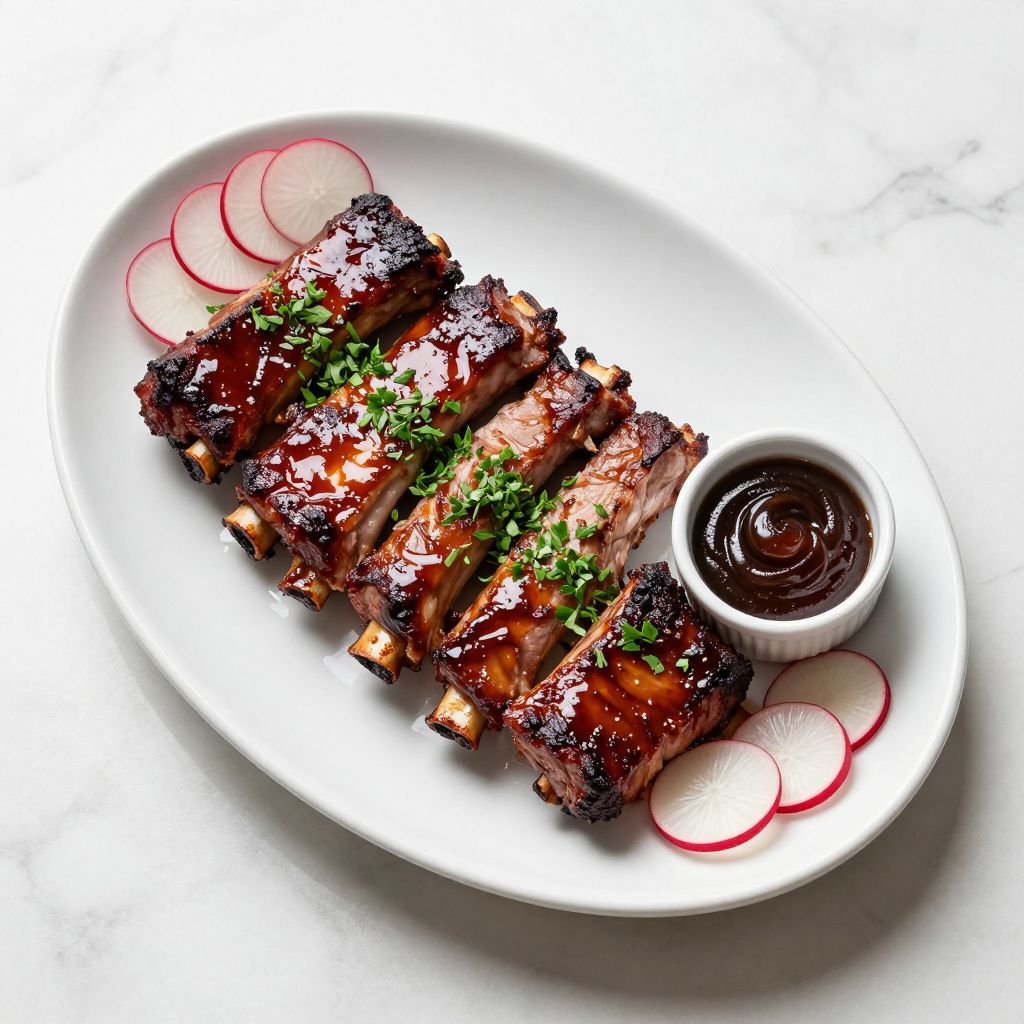
Pan-Seared Boneless Pork Ribs with Caramelized Glaze
Ingredients
Equipment
Method
- Remove the boneless pork ribs from the package and pat them completely dry with paper towels.
- In a small bowl, mix together kosher salt, black pepper, garlic powder, and smoked paprika. Sprinkle this seasoning generously over both sides of each rib, pressing gently so it adheres well.
- Place a large cast-iron or heavy stainless steel skillet over medium-high heat and let it preheat for 2 minutes.
- Add the olive oil to your hot pan and let it shimmer for about 30 seconds. Working in batches if necessary, lay the ribs flat in the pan and sear for 4 to 5 minutes on the first side without moving them.
- Flip each rib carefully and sear for another 4 to 5 minutes on the second side until evenly browned.
- While the ribs are searing, whisk together barbecue sauce, honey, apple cider vinegar, Dijon mustard, and hot sauce in a small bowl.
- Once all ribs are seared, brush the glaze generously over the top of each one using a pastry brush or spoon.
- Transfer your skillet to a preheated broiler set to high, positioning the rack about 6 inches from the heat source. Broil for 8 to 10 minutes until the glaze caramelizes and the internal temperature reaches 160 degrees Fahrenheit.
- Remove from the broiler, let rest for 2 minutes, then serve while the glaze is still sticky and warm.