
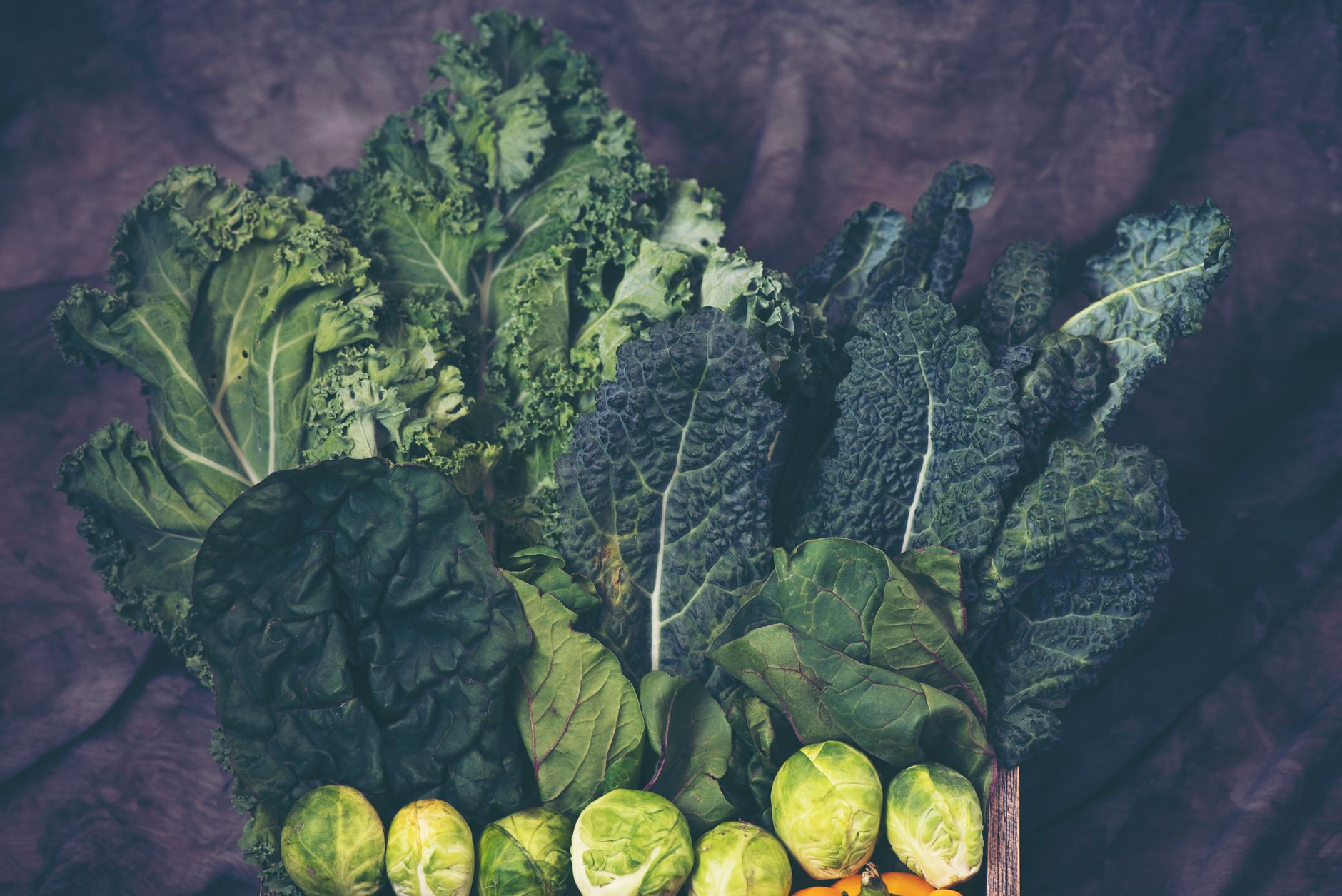
Dark leafy greens are a category of vegetables known for their rich green color and nutrient density. These greens are packed with vitamins, minerals, and antioxidants, making them a popular choice for health-conscious eaters. They can be included in a variety of dishes, offering both flavor and texture to meals.
In this article, we will explore what dark leafy greens are, their taste and texture profiles, and how to use them in your kitchen. Understanding their characteristics can help you make the most of these nutritious vegetables.
What Are Dark Leafy Greens?
Dark leafy greens are a group of leafy vegetables that typically feature a deep green color. Common examples include spinach, kale, collard greens, Swiss chard, and mustard greens. These greens are cultivated all over the world and come in various shapes and sizes, each offering unique flavors and textures.
These vegetables are appreciated not only for their health benefits but also for their versatility in cooking. They can be eaten raw in salads, cooked as a side dish, or incorporated into soups and stews.
Taste and Texture of Dark Leafy Greens
Dark leafy greens vary widely in taste and texture. Here’s a breakdown of some popular varieties:
1. Spinach
Spinach has a mild, slightly sweet flavor with a tender texture. It can be used both raw in salads and cooked in dishes like omelets or pasta.
2. Kale
Kale is known for its robust, earthy flavor, which can vary depending on the variety. It typically has a chewy texture that softens when cooked, making it suitable for sautéing, soups, and smoothies.
3. Collard Greens
Collard greens have a slightly bitter taste and are very firm in texture. They are often cooked for a long time to soften their leaves, making them a staple in Southern cuisines.
4. Swiss Chard
Swiss chard has a slightly sweet, earthy flavor and a tender, yet sturdy texture. It can be eaten raw or cooked and is often added to stir-fries and casseroles.
5. Mustard Greens
Mustard greens possess a peppery flavor, similar to that of mustard itself, and are slightly crisp. They can be used in salads or quickly sautéed for a punchy side dish.
Health Benefits of Dark Leafy Greens
Incorporating dark leafy greens into your diet can have a variety of health benefits due to their high nutritional content. They are often rich in vitamins A, C, K, and several B vitamins, as well as minerals like iron and calcium. Here are some of the key benefits:
- Rich in Nutrients: Dark leafy greens are low in calories but loaded with vitamins, minerals, and fiber, essential for maintaining a healthy diet.
- Antioxidant Properties: They contain antioxidants that help neutralize harmful free radicals in the body, potentially reducing the risk of chronic diseases.
- Heart Health: The fiber, potassium, and antioxidants found in dark leafy greens can help lower blood pressure and support heart health.
- Bone Health: Vitamin K, abundant in these greens, plays a significant role in bone health and calcium regulation.
- Weight Management: The high fiber content and low-calorie count can assist in feeling full, making dark leafy greens a good choice for weight management.
How to Select and Store Dark Leafy Greens
When selecting dark leafy greens, look for leaves that are vibrant in color and free from yellowing or wilting. Fresh greens should feel crisp and firm. Here are some tips for selecting and storing these vegetables:
Selection Tips
- Choose greens that are bright in color and look fresh.
- Check for any signs of decay, such as browning or sliminess.
- Consider the size; smaller leaves tend to be more tender.
- Buy organic when possible to avoid pesticide residues.
Storage Tips
Proper storage can prolong the freshness of your greens:
- Store dark leafy greens unwashed in a plastic bag or container with a paper towel to absorb moisture.
- Keep greens in the vegetable crisper drawer of the fridge for optimal freshness.
- Use within a week for the best flavor and nutrient retention.
How to Prepare Dark Leafy Greens
Preparation varies among different types of dark leafy greens. Here’s a general guide:
1. Washing
Wash greens thoroughly under cold running water to remove dirt and possible pesticides. If the greens are particularly sandy, consider soaking them in a bowl of water first.
2. Trimming
Remove any tough stems or damaged leaves. For some greens like kale and collard greens, you may want to remove the thick stems entirely, as these can be tough to eat.
3. Cooking Methods
Dark leafy greens can be prepared using various cooking methods:
- Raw: Use in salads or smoothies for a nutrient boost.
- Boiling: Cook quickly to retain color and nutrients; be aware that overcooking can lead to soggy greens.
- Steaming: A gentle way to cook greens while keeping their vibrant color and nutritional value.
- Sautéing: Quickly cook with olive oil and garlic for added flavor.
- Stir-frying: Combine with other vegetables and proteins for a one-pan meal.
- Braising: Slow-cook tougher greens with stock or acidic liquids for more depth of flavor.
Recipe Ideas Using Dark Leafy Greens
Here are a few simple ideas for incorporating dark leafy greens into your meals:
1. Sautéed Kale with Garlic
This simple side dish highlights the flavor of kale while remaining quick to prepare.
- Ingredients:
- 1 bunch kale, stems removed and torn into pieces
- 2 tablespoons olive oil
- 3 cloves garlic, minced
- Salt and pepper to taste
- Instructions:
- Heat olive oil in a large skillet over medium heat.
- Add garlic and sauté for one minute until fragrant.
- Add kale and sauté for 5-7 minutes until wilted and tender.
- Season with salt and pepper before serving.
2. Spinach Salad with Balsamic Vinaigrette
This fresh salad balances the earthy flavor of spinach with a tangy dressing.
- Ingredients:
- 4 cups fresh spinach, washed and dried
- 1/2 cup cherry tomatoes, halved
- 1/4 red onion, thinly sliced
- 1/4 cup feta cheese, crumbled
- 2 tablespoons balsamic vinegar
- 1 tablespoon olive oil
- Salt and pepper to taste
- Instructions:
- In a large bowl, combine spinach, tomatoes, onion, and feta cheese.
- Drizzle with balsamic vinegar and olive oil.
- Season with salt and pepper, then toss to combine before serving.
3. Collard Greens Stew
This hearty stew showcases collard greens alongside legumes and spices for a comforting dish.
- Ingredients:
- 1 bunch collard greens, chopped
- 1 can black beans, drained and rinsed
- 1 can diced tomatoes
- 1 onion, chopped
- 3 cloves garlic, minced
- 4 cups vegetable broth
- 1 teaspoon cumin
- Salt and pepper to taste
- Instructions:
- In a large pot, sauté onion and garlic until soft.
- Add collard greens and cook until wilted.
- Stir in black beans, tomatoes, broth, cumin, and seasonings.
- Simmer for 20-30 minutes, then adjust seasoning to taste.
Common Mistakes and Troubleshooting
When cooking with dark leafy greens, there are a few pitfalls to be aware of:
- Overcooking: Greens can turn mushy if cooked for too long. Aim for a bright color and tender texture.
- Ignoring Texture: Consider the texture of different greens when cooking. Some, like kale, benefit from longer cooking times, while softer greens can be prepared quickly.
- Choosing the Wrong Greens: Different dishes may require different greens. Choose hardy greens for stews and delicate ones for salads.
Conclusion
Dark leafy greens are a nutritious and versatile addition to many diets. With their varied flavors and textures, they can elevate a wide range of dishes or stand alone as a side. Whether you are thriving on their health benefits or enjoying their culinary possibilities, dark leafy greens deserve a prominent place in your kitchen.
For further exploration, try incorporating dandelion greens or explore recipes like gumbo greens for more creative ways to use dark leafy greens.
Check out these related recipes: Dandelion Greens Recipe and Gumbo Greens Recipe.