
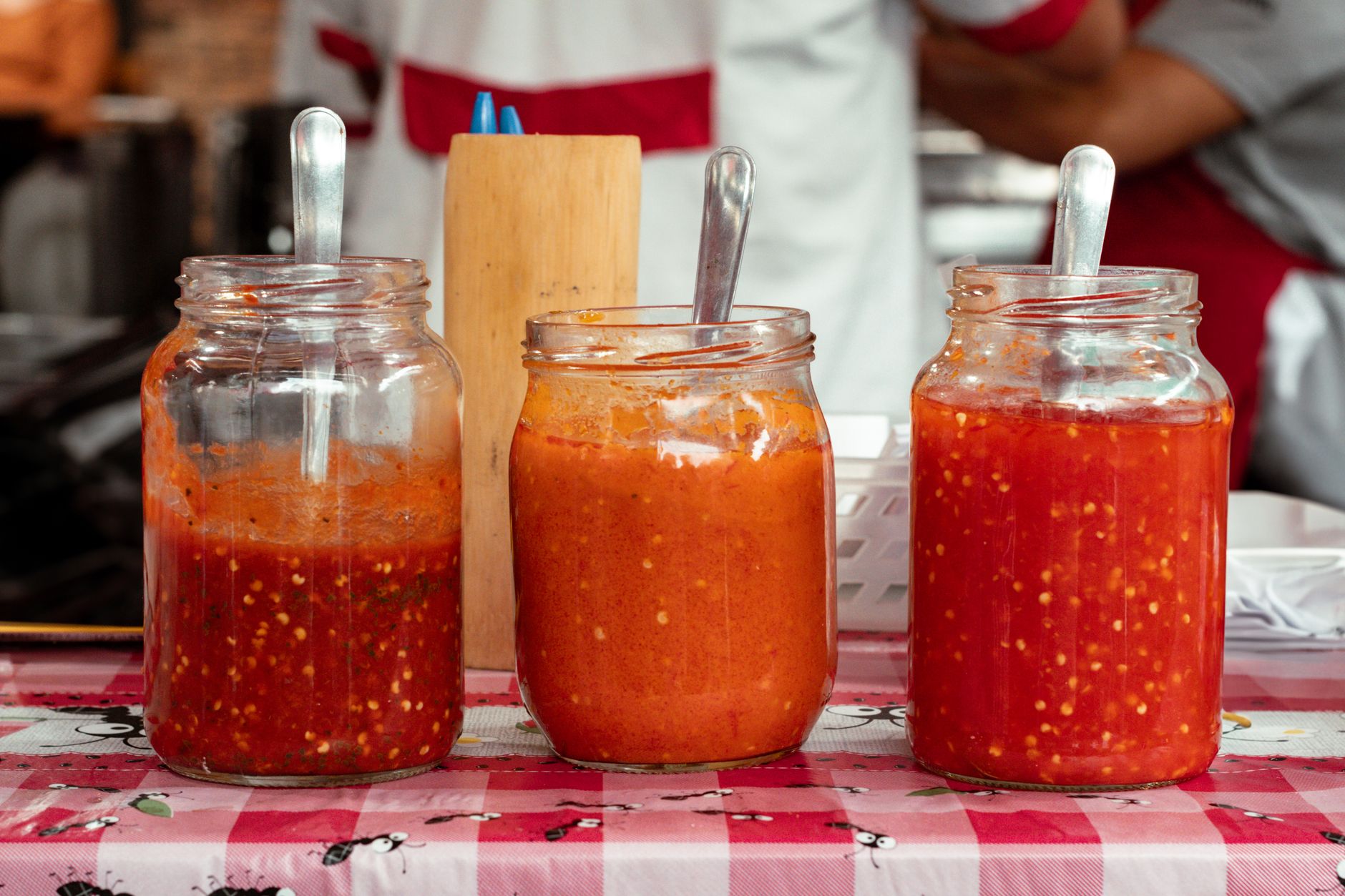
Chamoy is a versatile sauce that is often used in Mexican cuisine, revered for its unique combination of sweet, sour, and spicy flavors. As more people adopt gluten-free diets due to health reasons or allergies, understanding the ingredients in popular sauces like chamoy becomes essential for many. This article explores whether chamoy is gluten-free, examines its ingredients, discusses cross-contact concerns, and helps you make informed choices about this tangy delight.
Many varieties of chamoy are available on the market; however, knowing the specific ingredients can determine whether a particular type is safe for gluten-free diets. Let’s delve into this flavorful sauce to uncover its gluten-free status and tips for enjoying it safely.
Is Chamoy Gluten Free?
Chamoy is generally considered gluten-free because its primary ingredients often do not include gluten-containing grains. However, some commercially prepared versions may contain gluten due to additives or cross-contact during production. Checking labels and understanding the specific brand is crucial for those with gluten sensitivity or celiac disease.
Ingredients in Chamoy: What to Look For
To determine if chamoy is gluten-free, it’s important to know its typical ingredients. Common components found in chamoy include:
- Apricots or other fruit purees
- Dried chili peppers
- Lime juice or vinegar
- Sugar or sweeteners
- Salt
- Additional flavors and preservatives
Considering these ingredients, most homemade or traditional chamoy recipes are gluten-free. However, pre-packaged versions can vary significantly in formulation. Always read ingredient labels before consuming any packaged chamoy to ensure there are no gluten-containing additives.
Manufacturing and Cross-Contact Issues
One of the primary concerns for gluten-sensitive individuals is cross-contact during food production. Even if chamoy’s ingredients are gluten-free, cross-contact with gluten-containing products can occur. This happens in facilities that process multiple types of foods, and small residues of gluten can contaminate gluten-free products.
Here are some tips to avoid cross-contact:
- Choose products labeled as “gluten-free.”
- Contact manufacturers to ask about their gluten-free protocols.
- Opt for products from companies that specialize in gluten-free foods.
Popular Brands of Chamoy
There are several brands that make chamoy, and not all are gluten-free. Here are a few popular options:
- La Victoria Chamoy: Typically gluten-free but check the label.
- Mexican Hot Sauce: The gluten status may vary; confirm with the manufacturer.
- Other Artisanal Brands: Many smaller brands offer gluten-free options; always check for certifications.
When trying a new brand, look for certification labels or specific notes regarding gluten content. This can provide assurance regarding safety for gluten-sensitive individuals.
Making Your Own Gluten-Free Chamoy
One of the best ways to ensure your chamoy is gluten-free is to make it at home. This way, you can control every ingredient and avoid any cross-contact. Here’s a simple recipe for a homemade gluten-free chamoy.
Homemade Chamoy Recipe
This recipe reliably yields about 2 cups of chamoy and takes approximately 15 minutes to prepare.
Ingredients
- 1 cup dried apricots
- 1/2 cup water
- 1/4 cup lime juice
- 2 tablespoons chili powder (adjust to taste)
- 1/4 cup sugar (or to taste)
- 1 teaspoon salt
Essential Equipment
- Blender or food processor
- Measuring cups and spoons
- Mixing bowl
- Storage container
Instructions
- Soak the dried apricots in water for about 10–15 minutes until soft.
- Drain the apricots and place them in a blender or food processor.
- Add lime juice, chili powder, sugar, and salt to the blender.
- Blend until smooth, adjusting sweetness and spice levels as necessary.
- Transfer the chamoy into a storage container and refrigerate.
- Allow it to sit for about an hour to let the flavors meld before using.
Practical Substitutions
You can tweak the ingredients to suit personal taste or dietary needs. Here are a few suggestions:
- For a sugar substitute, consider using agave syrup, honey, or a safe artificial sweetener. Keep in mind that this will change the flavor profile slightly.
- If you prefer a spicier chamoy, add more chili powder or even diced jalapeños.
- Switch up the dried fruit by replacing apricots with prunes or mango for different flavor notes.
Experiment with these variations to create a chamoy that suits your palate while still ensuring it remains gluten-free.
Common Mistakes When Making Chamoy
Making chamoy at home can be a straightforward task, but here are some common pitfalls to avoid:
- Over-blending: Blending for too long can result in a watery consistency. Blend until just smooth.
- Not adjusting seasonings: Always taste your chamoy and adjust lime juice, sugar, and chili levels to your liking.
- Storing improperly: Chamoy should be stored in an airtight container in the fridge to prolong its freshness.
Using Chamoy: Flavor Combinations and Creative Ideas
Chamoy is an exceptionally versatile sauce that can add excitement to a variety of dishes. Here are some creative ideas to use chamoy:
- As a dip: Use chamoy for fruits like mango, apples, or watermelon. The sweet and spicy flavors contrast deliciously with fresh fruit.
- On snacks: Drizzle chamoy over popcorn for a spicy treat, or mix it into nuts for a zesty snack.
- In cocktails: Add a splash of chamoy to cocktails or non-alcoholic drinks for an unexpected kick.
Its smoky taste and tangy profile beautifully complement many flavor profiles, making it a fantastic addition to your culinary arsenal.
Storing Chamoy
Homemade chamoy can be stored in the refrigerator for up to two weeks. If you want to extend its shelf life, consider freezing it in ice cube trays, then transferring the frozen cubes to an airtight container. This allows for easy portioning later. Just thaw the cubes in the refrigerator or microwave before use.
Conclusion
Chamoy can be gluten-free, especially if you opt for homemade versions or carefully selected brands that meet gluten-free safety standards. By understanding the ingredients and potential cross-contact issues, you can enjoy this versatile sauce without worry. Consider trying your hand at making your own chamoy, and explore creative ways to incorporate it into your meals and snacks.
For more information on gluten-free ingredients, check out our articles on basmati rice and coffee. Happy cooking!