
Freshness is a crucial factor when it comes to eggs, as it affects not only the taste but also the safety of your dishes. Knowing how to discern if an egg is fresh can help prevent foodborne illnesses and ensure that your recipes turn out as expected. This article will guide you through various methods for checking egg freshness, provide safety tips, and discuss optimal storage practices.
With eggs being a staple ingredient in many households, understanding their freshness is vital for both cooking and baking. Whether you’re preparing a simple breakfast or a delicate soufflé, a fresh egg can make all the difference. In this guide, we’ll explore various techniques to assess egg freshness, so you can confidently use eggs in your culinary endeavors.
How Can You Tell If an Egg Is Fresh?
To determine if an egg is fresh, you can utilize a few simple methods, including the water test, looking at the egg’s appearance, and checking the sell-by or expiration dates. This will help ensure your eggs are safe and ready for use.
Understanding Egg Freshness
Before diving into the testing methods, it’s essential to understand what makes an egg fresh or stale. Over time, eggs lose moisture and air through their porous shells, leading to changes in texture, flavor, and safety. Here’s a comprehensive overview of the factors that influence egg freshness:
- Age: Fresh eggs generally have a firm white and a round, protruding yolk. As they age, egg whites become thinner, and yolks flatten out.
- Storage: Proper storage is crucial. Eggs should be stored in a cool place, preferably in the refrigerator, to maintain freshness.
- Sell-by Dates: While eggs can last beyond their sell-by dates if stored correctly, consuming them within this timeframe ensures optimal quality.
Methods for Testing Egg Freshness
The Water Test
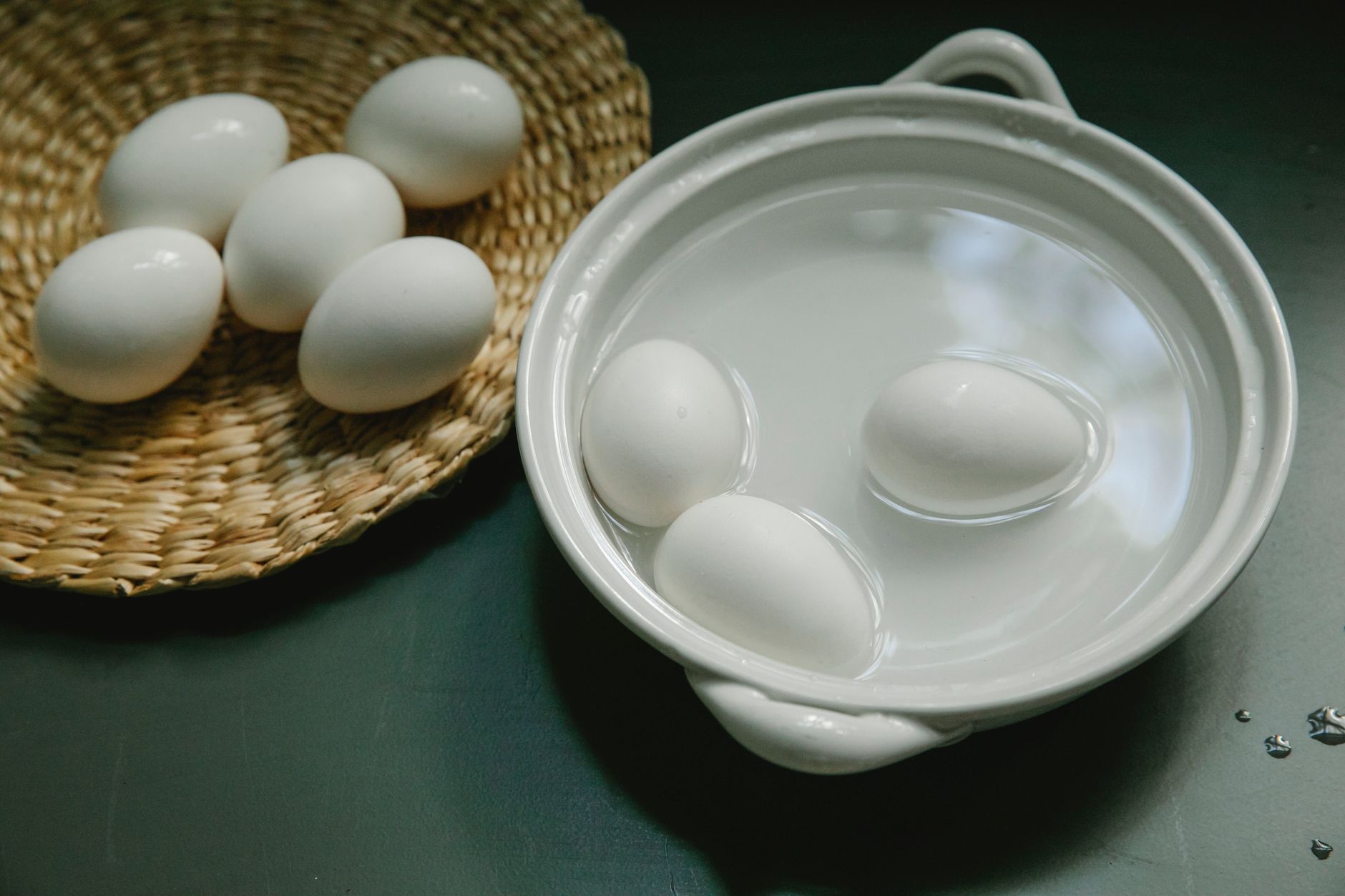
The water test is one of the simplest and most reliable methods for checking egg freshness. Here’s how to perform it:
- Fill a bowl or a tall glass with water.
- Gently place the egg in the water.
- Observe the egg’s behavior:
- Fresh Egg: Sinks to the bottom and lays flat on its side.
- Still Good Egg: Sinks but stands upright on the bottom.
- Bad Egg: Floats to the top, indicating that it is no longer fresh.
A floating egg occurs due to the air cell inside growing larger as moisture escapes, making it less dense than water.
Check the Appearance
Another straightforward way to check if your eggs are fresh is to examine their appearance. Here’s what to look for:
- Shell Condition: Fresh eggs have a clean, uncracked shell. Look for any discoloration or cracks, which can harbor bacteria.
- Egg White and Yolk: When cracked open, a fresh egg should have a clear and thick egg white and a bright, rounded yolk. If the white is watery or the yolk is flat and discolored, the egg is likely stale.
- Odor: A spoiled egg will emit a sulfur-like smell when cracked open. If you sense an off-putting smell, discard the egg.
The Shake Test
The shake test involves gently shaking the egg near your ear to listen for any sounds. Follow these steps:
- Hold the egg up to your ear.
- Gently shake it.
- If you hear a sloshing sound, the egg is likely stale, as the contents have started to leak and separate.
Check the Sell-By or Expiration Date
Always check the sell-by or expiration date printed on the egg carton. While many eggs remain safe to eat beyond these dates, freshness might decline. To ensure the best quality:
- Consume eggs within 3 to 5 weeks after the sell-by date.
- If you are unsure about an egg’s freshness but it is within the date, use one of the aforementioned methods to confirm.
How to Store Eggs for Optimal Freshness
Proper storage can extend the shelf life of your eggs significantly. Here are some practical tips for storing eggs:
- Refrigeration: Always store eggs in the refrigerator at a temperature of 40°F (4°C) or lower. This slows down degradation and bacterial growth.
- Original Carton: Keep eggs in their original carton, as it helps protect them from absorbing strong odors and flavors from other foods.
- Placement: Store eggs in the coldest part of the fridge, not in the door, where temperature fluctuations can occur.
Safety Tips for Handling Eggs
Ensuring safety while handling eggs is paramount. Follow these safety tips to minimize the risk of foodborne illness:
- Check for Cracks: Always inspect eggs for cracks before purchasing and using them. Discard any that are damaged.
- Wash Hands and Surfaces: After handling raw eggs, wash your hands thoroughly, along with any surfaces and utensils that came into contact with them.
- Cook Thoroughly: To prevent the risk of salmonella, cook eggs until both the white and yolk are firm. Avoid consuming raw or lightly-cooked eggs.
- Avoid Cross-Contamination: Use separate utensils and cutting boards for eggs and other ingredients, especially ready-to-eat foods.
Common Mistakes to Avoid When Handling Eggs
Even seasoned cooks can make mistakes when it comes to eggs. Here are some common pitfalls and how to avoid them:
- Using Old Eggs: Always check for freshness using the methods outlined above before using eggs in your dishes.
- Overcooking Eggs: Overcooking eggs can lead to a rubbery texture and grayish yolks. Keep an eye on cooking times to ensure optimal results.
- Not Storing Properly: Failing to refrigerate eggs can lead to bacterial growth. Always store them in a refrigerator.
What to Do with Eggs That Are Close to Expiring
If you find that your eggs are nearing their expiration date, there are several ways to use them before they go bad:
- Baking: Use older eggs in baking recipes. The heat of baking kills any bacteria, making them safe to consume.
- Hard Boiling: Hard-boiled eggs can be a great snack or ingredient to incorporate into salads and sandwiches.
- Making Pickled Eggs: Consider pickling eggs as a way to extend their shelf life while creating a delicious treat.
Cooking Techniques for Eggs
Eggs can be prepared in various ways, each technique requiring a unique approach. Here are some cooking methods you might enjoy:
Boiling
Boiling is a classic method for hard or soft-cooked eggs. Here’s a quick guide:
- Place eggs in a pot and cover them with cold water.
- Bring the water to a boil, then reduce the heat to a simmer.
- For hard-boiled eggs, simmer for about 9-12 minutes. For soft-boiled, aim for around 4-6 minutes.
- Remove from heat and place eggs in ice water to stop cooking.
Scrambling
Scrambled eggs are quick and easy to prepare. Here’s how:
- Crack eggs into a bowl and whisk until blended.
- Heat a non-stick skillet over medium heat and add butter or oil.
- Pour the eggs into the skillet, gently stirring as they cook.
- Remove from heat when the eggs are just firm but still creamy.
Frying
Fried eggs can be prepared sunny-side up (yolk runny) or over-easy (yolk slightly cooked). Follow these steps:
- Heat a non-stick skillet on medium heat and add a small amount of oil or butter.
- Crack the egg directly into the pan.
- For sunny-side up, cook until the whites are set but the yolk remains runny.
- For over-easy, gently flip the egg after the whites are firm, cooking for an additional minute.
Baking
Baked eggs can be used in various dishes such as frittatas or quiches. Here’s a quick overview:
- Preheat your oven to 375°F (190°C).
- Whisk together eggs, milk, and seasonings in a bowl.
- Pour the mixture into a greased baking dish, adding any desired fillings like vegetables or cheese.
- Bake until the eggs are set and slightly puffed, usually about 25-30 minutes.
Conclusion
Understanding how to tell if an egg is fresh is an essential skill that can enhance your cooking and baking. By employing simple methods such as the water test, checking appearances, and adhering to safety guidelines, you can ensure that your eggs are always good to use. Take the time to store them properly and handle them safely to enjoy their deliciousness without worry.
For more informative articles, consider checking out how long you can keep eggs in the refrigerator or when do eggs go bad for additional safety tips.