
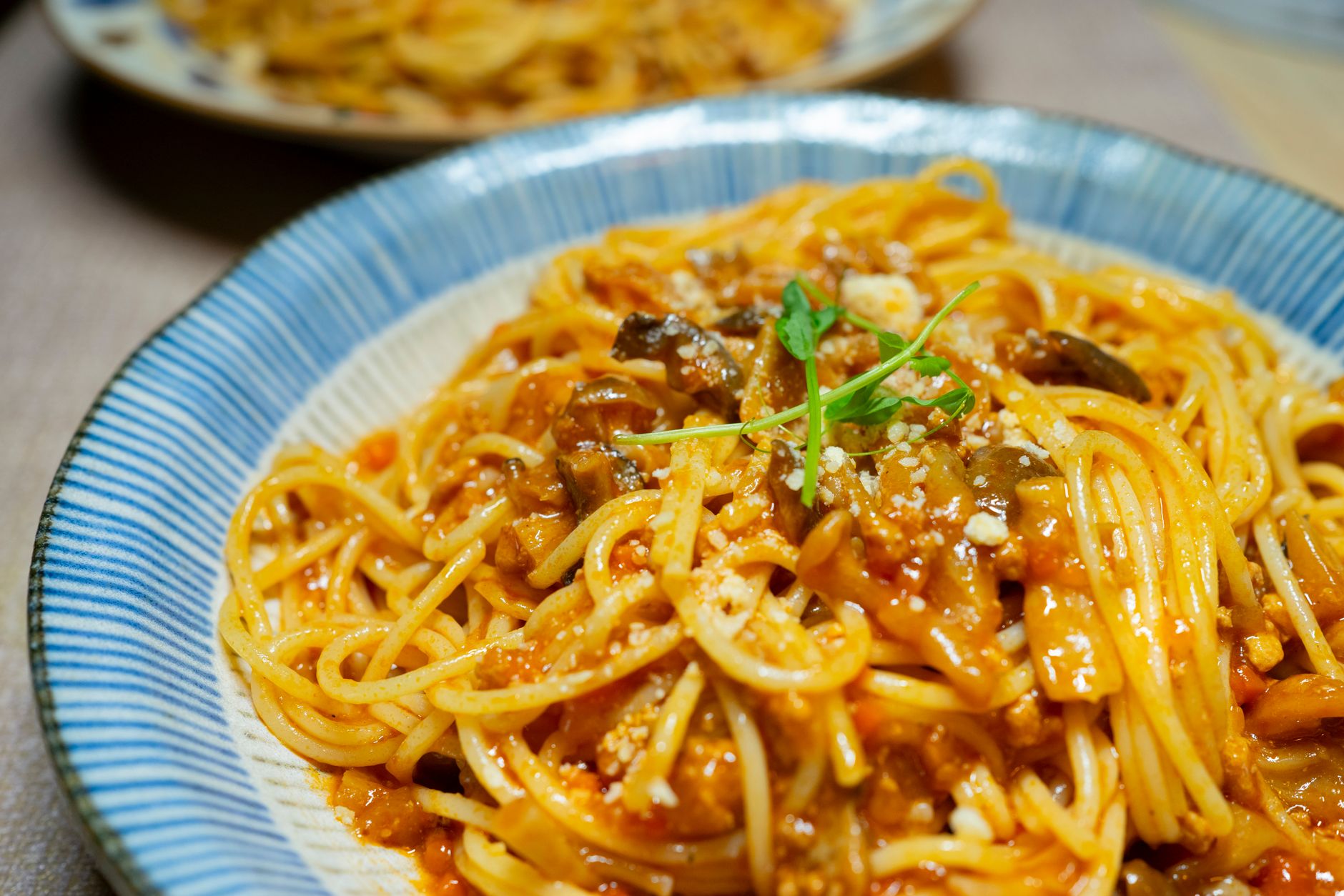
Pasta is a beloved ingredient in many cuisines around the world, celebrated for its versatility and rich flavors. However, many people wonder whether pasta is high in calories, especially when trying to manage their diets or make healthier meal choices.
Understanding the nutritional content of pasta, including its calorie count, can help inform your cooking choices. This article will delve into the caloric content of various types of pasta, serving sizes, and tips for making healthier pasta dishes.
Is Pasta High in Calories?
The caloric content of pasta varies based on its type, preparation, and serving size. Generally, dry pasta has about 200 calories per cooked cup, but this can fluctuate with different varieties. Whole grain and specialty pastas may have a different caloric composition, so it’s essential to consider these variations.
Nutritional Facts of Common Pasta Types
Below is a breakdown of some common types of pasta and their approximate calorie counts per cooked cup:
- Standard White Pasta: Approximately 200 calories
- Whole Wheat Pasta: Approximately 180 calories
- Gluten-Free Pasta: Ranges from 190 to 220 calories
- Egg Noodles: Approximately 220 calories
- Spaghetti Squash (as a substitute): Approximately 42 calories
Understanding Serving Sizes
When calculating calories from pasta, understanding serving sizes is crucial. Here are some common serving size guidelines:
- A standard serving of dry pasta is 2 ounces, which typically cooks to about 1 cup.
- For shapes like penne or shells, 3/4 cup cooked can be considered a single serving.
- Always measure cooked pasta as it can vary significantly based on the shape and preparation.
Caloric Density of Pasta
Caloric density refers to the number of calories in a specific weight of food. Pasta tends to have a moderate caloric density due to its carbohydrate content. This means you can quickly meet or exceed your caloric needs if you’re not mindful of portions.
How Cooking Techniques Affect Calorie Count
The way pasta is prepared can also affect its caloric content. Here are a few key considerations:
- Cooking Time: Overcooking can lead to pasta absorbing more water, resulting in more volume, but it won’t add calories.
- Types of Sauces: The sauce added to pasta can significantly impact the total calorie count. A tomato-based sauce may have fewer calories than a creamy alfredo.
- Additional Ingredients: Ingredients such as cheese, meat, and vegetables can alter the overall calorie count.
What Makes Pasta a Popular Choice?
Pasta’s popularity can be attributed to several factors:
- Versatility: Pasta can be paired with an array of sauces, proteins, and vegetables, making it suitable for various dishes.
- Convenience: It cooks quickly and is easy to prepare.
- Flavor Absorption: Pasta has the ability to absorb flavors, allowing for rich and complex dishes.
Healthier Pasta Choices
To enjoy pasta while keeping calories in check, consider the following tips:
- Choose Whole Grain: Whole wheat pasta has more fiber and nutrients, which can keep you fuller for longer.
- Portion Control: Measuring servings can help you avoid overconsumption.
- Incorporate Vegetables: Add vegetables to increase volume and nutritional content without significantly adding calories.
- Rotate with Alternatives: Consider alternatives like zucchini noodles or spaghetti squash to reduce carbohydrate intake.
Calorie Counting and Pasta Dishes
Many popular pasta dishes can be high in calories due to additional ingredients. Here’s a look at a few classics along with their estimated caloric content:
| Dishes | Calories per Serving |
|---|---|
| Spaghetti Bolognese | Around 400-600 calories |
| Fettuccine Alfredo | Approximately 700-900 calories |
| Penne Arrabbiata | About 350-550 calories |
| Macaroni and Cheese | Ranging from 300-500 calories |
These values vary by recipe and ingredient quality, so consider making your own versions for greater control over caloric content.
Practical Tips for Cooking Pasta
To get the most out of your pasta dishes while keeping calories in mind, follow these tips:
- Al Dente Cooking: Cooking pasta al dente retains texture and lowers the glycemic index.
- Use Flavorful Ingredients: Use herbs, spices, and citrus to enhance flavor without adding too many calories.
- Experiment with Sauces: Try broths, pureed vegetables, or homemade tomato sauces to keep things light.
- Limit Cheese: While cheese can add flavor, be cautious about the amounts added.
Common Mistakes When Cooking Pasta
Mistakes in cooking pasta can lead to either unappetizing dishes or calorie miscalculations. Here are a few common pitfalls to avoid:
- Not Salting Water: Salt enhances flavor—don’t skip it! It doesn’t add significant calories but enhances taste.
- Overcooking: Pastas that are mushy can detract from the dish and can affect satiety.
- Not Rinsing: Rinsing cooked pasta can wash away flavorful starches.
Make-Ahead Pasta Meals
Preparing pasta meals in advance can be nutritious and convenient. Here are some tips for meal prep:
- Choose Ingredients Wisely: Select sauces and add-ins that stay fresh and flavorful.
- Proper Storage: Store cooked pasta in the fridge in airtight containers to maintain texture.
- Reheating: When reheating, add a splash of water to avoid dryness.
Conclusion
Pasta can fit into a healthy diet when portioned correctly and paired with the right ingredients. By understanding the caloric content, practicing smart cooking techniques, and making nutritious choices, you can enjoy pasta without derailing your health goals. Remember to be mindful of serving sizes and experiment with alternative types and preparations to suit your dietary preferences.
For delicious pasta recipes, consider trying out this Million Dollar Spaghetti or explore the flavors of Haitian Spaghetti. These dishes offer great ways to enjoy pasta while keeping the calorie count in check.