
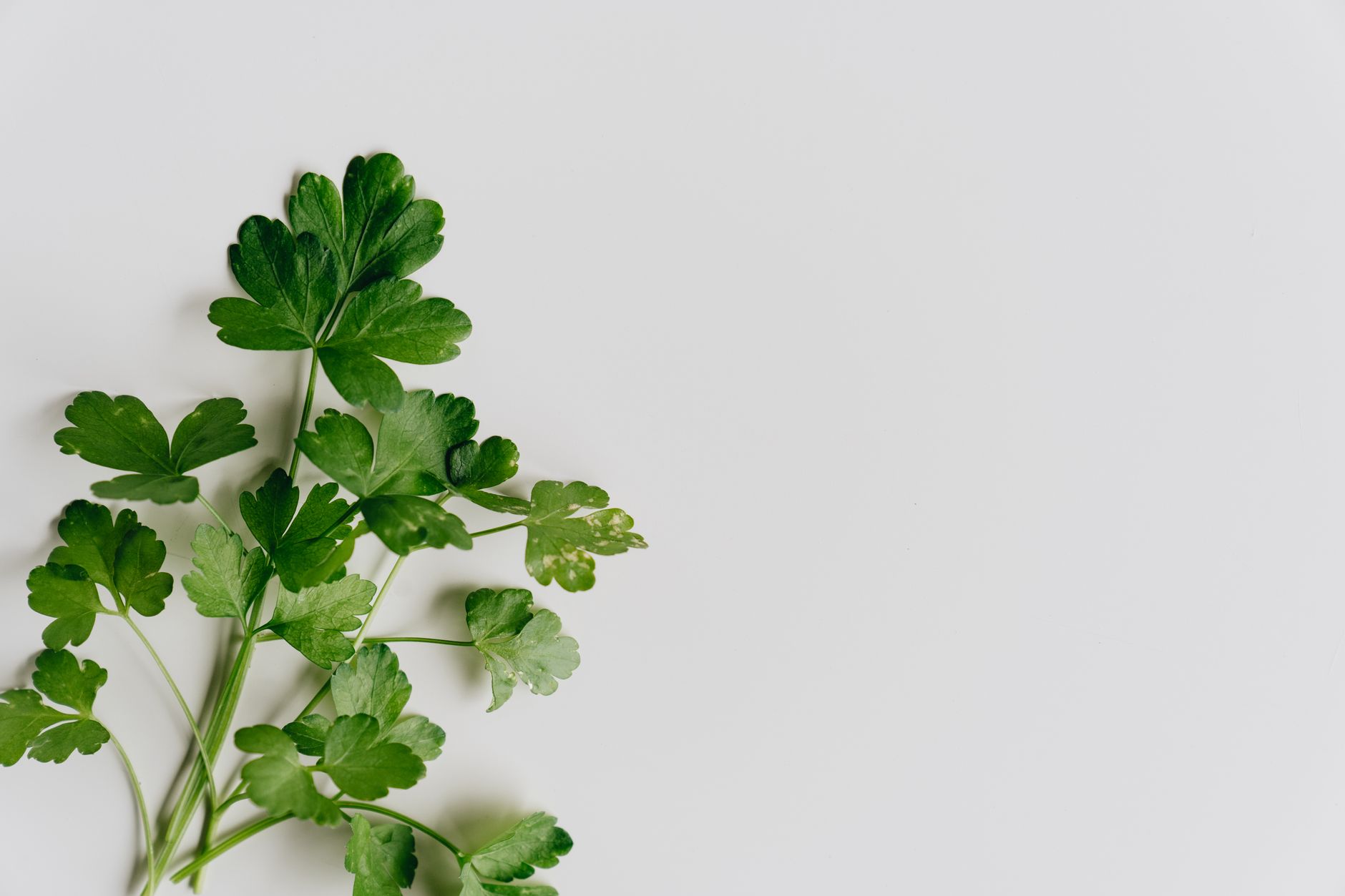
Marjoram is a versatile herb often used in Mediterranean cooking, known for its slightly sweet and peppery flavor. However, if you find yourself without marjoram in your pantry, you may need to explore some substitutes. Understanding your options can prevent flavor disruption in your dishes and keep your meals delicious.
This guide outlines potential substitutes for marjoram, their ratios, and how they can adapt to various recipes. Learn about other herbs and spices that carry similar flavors and how to adjust your cooking when marjoram is unavailable.
What Is a Substitute for Marjoram?
Essentially, substitutes for marjoram include other herbs with comparable flavors like oregano, thyme, and basil. When used correctly, these alternatives can mimic the taste of marjoram and maintain the integrity of your dish.
This guide provides insights into flavor profiles, recommended ratios for substitution, and culinary uses for each alternative.
Understanding Marjoram
Marjoram (Origanum majorana) is an aromatic herb belonging to the mint family, commonly used in a variety of cuisines, especially Mediterranean. Its flavor is warm, slightly sweet, and woodsy, making it a delightful addition to sauces, soups, and meat dishes.
Marjoram is often confused with oregano, but they have distinct flavors; marjoram tends to be milder and sweeter. Knowing how to substitute it effectively requires an understanding of other herbs that share flavor profiles.
Common Substitutes for Marjoram
Here’s a detailed look at effective substitutes for marjoram:
1. Oregano
Oregano is the most straightforward substitute for marjoram due to its close relation. Although it has a stronger flavor, it can be used in equal proportions or slightly less than marjoram.
- Ratio: Use 1 teaspoon of oregano for every 1 teaspoon of marjoram in recipes.
- Culinary Uses: Best in Italian dishes, pizza, and marinades.
2. Thyme
Thyme has a deep, earthy flavor that can stand in for marjoram in larger dishes. The taste difference is subtle enough to work beautifully in many recipes while providing an aromatic quality similar to marjoram.
- Ratio: Substitute 1 teaspoon of thyme for every 1 teaspoon of marjoram.
- Culinary Uses: Suitable for stews, roasted meats, and vegetable dishes.
3. Basil
Basil brings a fresh, slightly sweet flavor that can complement many dishes where marjoram is typically used. While it can change the flavor profile, it can still create a delightful dish.
- Ratio: Use 1 teaspoon of fresh basil or 1/3 teaspoon of dried basil for every 1 teaspoon of marjoram.
- Culinary Uses: Great in salads, pastas, and tomato-based sauces.
4. Tarragon
Tarragon has a unique, slightly sweet flavor with an anise-like aroma, making it another great alternative. The distinctive taste can add complexity to a dish.
- Ratio: Use 1 teaspoon of tarragon for every 1 teaspoon of marjoram.
- Culinary Uses: Often utilized in French cuisine, excellent for salad dressings, and egg dishes.
5. Herbes de Provence
This is a blend of several herbs, including marjoram, savory, thyme, and basil. It can effectively replace marjoram while adding a unique flavor profile due to the variety of herbs.
- Ratio: Use the same amount, 1 teaspoon of Herbes de Provence for every teaspoon of marjoram.
- Culinary Uses: Perfect for grilled meats and roasted vegetables.
6. Sage
Sage brings a strong flavor to dishes, which may alter the overall taste but can work in a pinch, especially in hearty dishes.
- Ratio: Use 1/2 teaspoon of sage for every 1 teaspoon of marjoram.
- Culinary Uses: Frequently used in stuffing, poultry, and rich sauces.
7. Italian Seasoning
Italian seasoning is another blend that includes marjoram. Since it combines multiple herbs, it can provide a rounded flavor.
- Ratio: Use 1 teaspoon of Italian seasoning for every teaspoon of marjoram.
- Culinary Uses: Ideal for pasta sauces, stews, and pizza.
Using Substitutes Effectively
When substituting for marjoram in recipes, consider the following:
- Flavor intensity: Stronger herbs like oregano should be used in lesser amounts to avoid overpowering the dish.
- Freshness: Fresh herbs can provide a different quality than dried herbs, so adjust the ratios accordingly (usually, fresh herbs are used more generously).
- Cooking time: Some herbs are more aromatic when cooked longer, while others are best added near the end of cooking.
Practical Tips for Adjusting Recipes
To maintain the integrity of dishes when substituting for marjoram:
- Start small: If uncertain, use a smaller amount of the substitute and taste before adding more.
- Adjust other flavors: Consider how the substitute interacts with other ingredients; you may need to balance with added acid or sweetness.
- Fresh vs. dried: If using dried substitutes, remember they are often more concentrated. Less is often more in these cases.
Examples of Recipes Where Marjoram is Commonly Used
Marjoram can be found in various dishes, especially in Mediterranean and American cooking. Here are a few examples:
- Italian sausage: Marjoram is often included in the seasoning mix, where it contributes to the overall flavor.
- Meat sauces: A touch of marjoram can add depth to tomato-based sauces.
- Herb-infused oils: Marjoram can enhance the aromatic quality of infused oils.
- Vegetable soups: Marjoram’s mild sweetness can balance out earthy flavors.
Potential Cooking Mistakes to Avoid
When substituting herbs, it’s essential to avoid some common pitfalls:
- Overseasoning: Adding too much of a substitute can lead to imbalanced flavors.
- Incompatible flavors: Not all herbs can easily replace marjoram, especially in delicate dishes.
- Aromatics timing: Adding robust herbs too early can lead to bitterness.
Storing Herbal Substitutes
Proper storage of herbs can ensure their longevity and flavor preservation. Here are some tips:
- Dried herbs: Keep them in a cool, dark place in airtight containers to maintain flavor.
- Fresh herbs: Store them in the refrigerator and try to use them as soon as possible for the best flavor.
Conclusion
Substituting marjoram can be an easy process when you’re aware of the suitable alternatives available. By using herbs like oregano, thyme, and basil, you can keep your dishes flavorful and varied. Always consider the ratio and how each herb’s unique flavor could impact the overall taste of your dish.
Next time you find yourself out of marjoram, confidently opt for one of these substitutes, and continue cooking delicious meals without missing a beat. For more ingredient guides or recipe ideas that can complement your cooking skills, explore our resources for understanding substitutes like vanilla extract and coriander.