
Vitamin C is an essential nutrient known for its role in supporting the immune system, promoting healthy skin, and aiding in the absorption of iron. One of the best ways to ensure adequate vitamin C intake is through fruits. This article explores various fruits that are high in vitamin C, detailing their benefits, serving sizes, and practical ways to include them in your diet.
To help you make informed dietary choices, we’ll provide a detailed list of fruits rich in vitamin C along with their approximate vitamin C content per serving. This resource can assist you in meal planning and integrating these fruits into your daily life.
What Fruit Is High in Vitamin C?
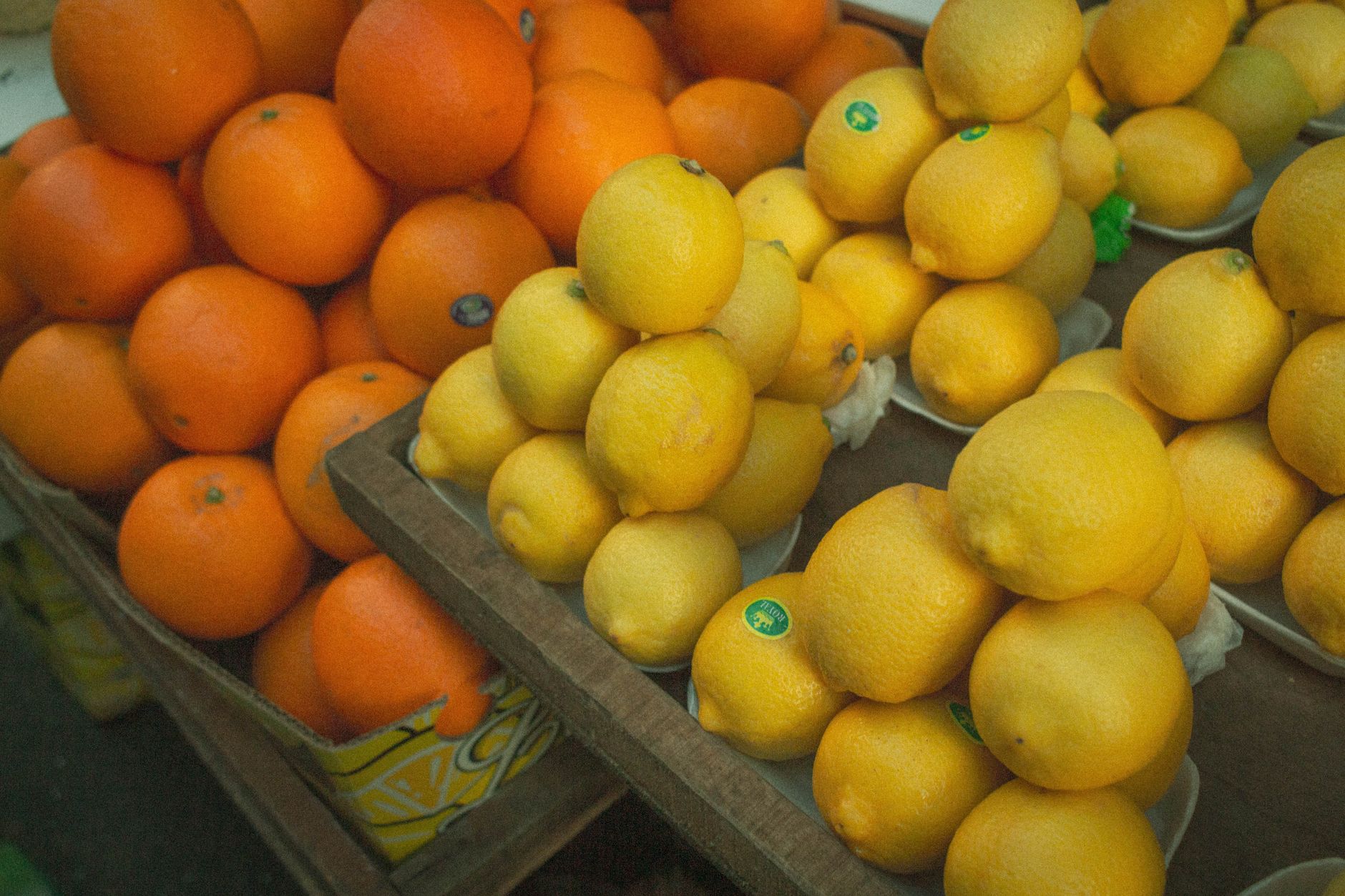
Fruits that are particularly high in vitamin C include citrus fruits like oranges and grapefruits, berries such as strawberries and blueberries, as well as tropical fruits like kiwi and guava. Each fruit’s vitamin C content varies, but many fruits offer a hefty dose in just a single serving, making them an excellent addition to a balanced diet.
An Overview of Important Fruits Rich in Vitamin C
Here is a breakdown of some common fruits that are high in vitamin C, along with their vitamin C content by serving size:
| Fruit | Serving Size | Vitamin C Content (mg) |
|---|---|---|
| Guava | 1 medium (250 g) | 377 |
| Kiwi | 1 medium (75 g) | 71 |
| Strawberries | 1 cup (152 g) sliced | 89 |
| Orange | 1 medium (130 g) | 70 |
| Pineapple | 1 cup (165 g) chunks | 79 |
| Mango | 1 medium (200 g) | 60 |
| Cantaloupe | 1 cup (177 g) diced | 64 |
| Papaya | 1 cup (140 g) cubed | 88 |
| Blackcurrants | 1 cup (112 g) | 203 |
| Raspberries | 1 cup (123 g) | 30 |
| Grapefruit | 1 medium (230 g) | 38 |
Benefits of Consuming Fruits High in Vitamin C
Incorporating vitamin C-rich fruits into your diet can yield several health benefits:
- Boosts Immunity: Vitamin C plays a crucial role in enhancing the immune response, helping the body fight off infections.
- Improves Skin Health: This vitamin is vital for collagen production, contributing to elasticity and overall skin health.
- Aids in Iron Absorption: Consuming vitamin C with iron-rich foods improves the body’s ability to absorb iron, reducing the risk of anemia.
- Antioxidant Properties: Vitamin C is a powerful antioxidant that protects cells from damage caused by free radicals.
- Heart Health: A diet rich in fruits and vegetables is associated with a lower risk of heart disease. Vitamin C contributes to heart health by supporting blood vessel function.
How to Incorporate High Vitamin C Fruits into Your Diet
Adding high vitamin C fruits to your meals can be both delicious and easy. Here are some practical ideas:
Breakfast Ideas
- Add sliced strawberries or kiwi to your morning oatmeal or yogurt.
- Blend a smoothie using a combination of orange, pineapple, and mango for a refreshing start to the day.
- Top whole-grain toast with fresh guava or papaya slices for a flavorful twist.
Snack Ideas
- Keep a bowl of mixed berries—like strawberries, raspberries, and blackcurrants—on the kitchen counter for a quick grab-and-go snack.
- Slice up a grapefruit or orange to enjoy as a midday energy booster.
- Prepare a fruit salad featuring a variety of these high vitamin C fruits for an easy snack.
Lunch and Dinner Additions
- Incorporate pineapple into a stir-fry for a sweet and savory combination.
- Add slices of kiwi or mango to salads for added flavor and nutrition.
- Prepare fish tacos with fresh mango salsa to include the bright flavors of tropical fruits.
Common Mistakes When Consuming Vitamin C-Rich Fruits
While including vitamin C-rich fruits in your diet can be beneficial, here are some common mistakes to avoid:
- Overcooking Fruits: Cooking can significantly reduce the vitamin C content. Opt for fresh or lightly cooked fruits to retain maximum nutrients.
- Ignoring Seasonal and Local Fruits: Fresh, seasonal fruits tend to be higher in nutrients, including vitamin C, compared to those that are out of season or imported.
- Relying Solely on Supplements: While vitamin C supplements can help, it’s best to get your nutrients from whole foods, which provide additional benefits such as fiber and antioxidants.
Storage Tips for Vitamin C-Rich Fruits
Proper storage is essential to maintain the vitamin C content and overall quality of fruits:
- Citrus Fruits: Store in a cool, dry place, or refrigerate to extend freshness.
- Berries: Refrigerate in a breathable container and consume within a few days for the best quality.
- Tropical Fruits: Ripen at room temperature; once ripe, they can be refrigerated to slow decay.
Substitutions and Variations
If some of these fruits are not available or you want variety, consider these alternatives that are also high in vitamin C:
- If oranges are unavailable, consider using tangerines or mandarins for a similar taste.
- Substitute strawberries with blueberries or raspberries in smoothies and salads.
- If guava is hard to find, try a combination of papaya and kiwi for a similar tropical flavor profile.
Recipes to Enhance Vitamin C Intake
Here are a couple of simple and delicious recipes that incorporate high vitamin C fruits:
Refreshing Tropical Fruit Salad
This fruit salad is perfect for breakfast or as a refreshing snack. It combines several high vitamin C fruits to provide a delicious and nutritious treat.
- 1 cup diced pineapple
- 1 cup diced mango
- 1 cup sliced strawberries
- 1 cup diced kiwi
- Juice of 1 lime
- In a large bowl, combine the pineapple, mango, strawberries, and kiwi.
- Drizzle with lime juice and toss gently.
- Serve chilled for a refreshing snack or dessert.
Vitamin C Boosting Smoothie
This smoothie can serve as a quick breakfast or post-workout snack, providing a vitamin C punch to energize your day.
- 1 cup fresh spinach
- 1 cup diced mango
- 1 banana
- 1/2 cup orange juice
- 1/2 cup yogurt (optional)
- In a blender, combine the spinach, mango, banana, and orange juice.
- Add yogurt if using and blend until smooth.
- Pour into a glass and enjoy immediately.
Conclusion
Including a variety of fruits high in vitamin C into your daily diet can enhance your overall health and well-being. With many delicious options available, it’s easy to incorporate these fruits into your meals and snacks.
For further exploration, discover more about how to preserve your fruits, like in our guide on freezing watermelon or try your hand at creating homestyle snacks with our candied fruit recipe. These resources offer delightful ways to enjoy and preserve the benefits of high vitamin C fruits.