
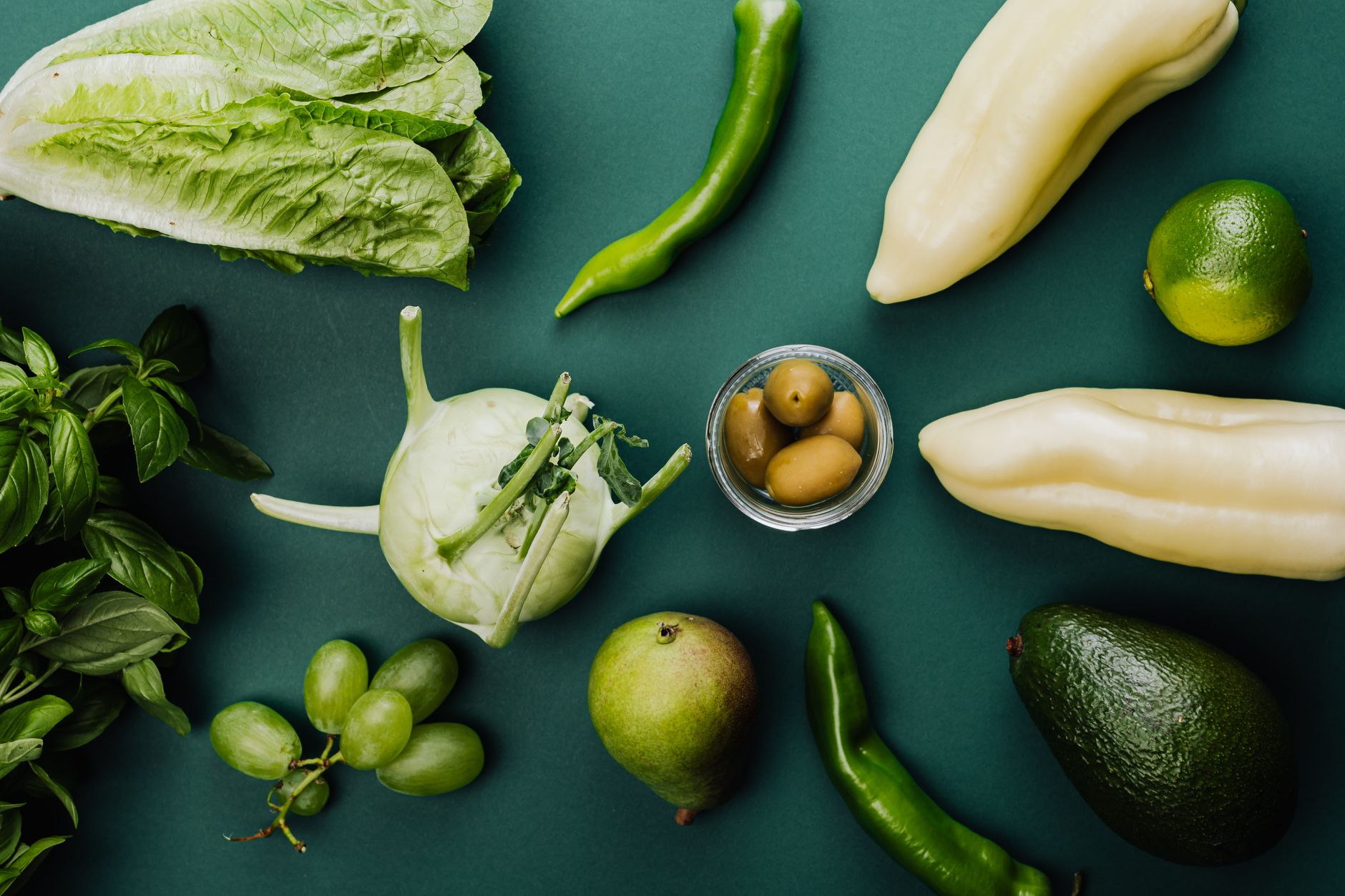
Low FODMAP foods refer to those that contain low levels of fermentable oligosaccharides, disaccharides, monosaccharides, and polyols, which are types of carbohydrates that can trigger digestive discomfort in some individuals. Understanding which foods fit into this category can help people manage symptoms related to irritable bowel syndrome (IBS) and other gastrointestinal issues.
This guide will dive into a variety of low FODMAP foods, nutrition facts, and a practical portion guide that will aid you in meal planning and incorporating these foods into your diet.
What Are Low FODMAP Foods?
Low FODMAP foods are those that contain reduced levels of certain fermentable carbohydrates that can lead to gas, bloating, and abdominal pain in sensitive individuals. These foods are typically part of a low FODMAP diet designed to help individuals identify specific food intolerances.
Understanding FODMAPs
FODMAPs are divided into five main categories:
- Oligosaccharides: Found in wheat, rye, onions, and certain legumes.
- Disaccharides: Mainly lactose found in dairy products.
- Monosaccharides: Fructose found in high amounts in foods like apples and honey.
- Polyols: Sugar alcohols like sorbitol and mannitol found in certain fruits and artificial sweeteners.
By understanding these categories, you can make informed choices about which foods are suitable for your diet.
List of Low FODMAP Foods
To help you navigate the low FODMAP landscape, here’s a comprehensive list of low FODMAP foods categorized by food group.
Fruits
- Bananas (unripe)
- Blueberries
- Strawberries
- Oranges
- Grapes
- Kiwi
- Pineapples
- Cantaloupe
Vegetables
- Carrots
- Spinach
- Bell peppers
- Potatoes
- Eggplant
- Tomatoes
- Green beans
- Zucchini
Grains and Legumes
- Rice (brown and white)
- Quinoa
- Oats
- Polenta
- Gluten-free bread
- Chickpeas (canned and rinsed)
Dairy and Alternatives
- Lactose-free milk
- Hard cheeses (cheddar, parmesan)
- Almond milk
- Rice milk
Protein Sources
- Poultry (chicken, turkey)
- Fish and seafood
- Eggs
- Firm tofu
- Meat (beef, pork)
Fats and Oils
- Olive oil
- Coconut oil
- Butter (in moderation)
Nutrition Facts of Low FODMAP Foods
Low FODMAP foods not only help alleviate digestive discomfort but can also be nutrient-dense. Here’s a look at some popular low FODMAP foods and their nutritional benefits:
Fruits
Blueberries, for example, are rich in antioxidants and vitamins while being low in calories. Oranges provide vitamin C and fiber.
Vegetables
Carrots are high in beta-carotene, while spinach is an excellent source of iron and vitamins A, C, and K. Eating a variety of low FODMAP vegetables ensures you’re getting a wide range of nutrients.
Grains
Brown rice is a source of whole grains, providing complex carbohydrates and fiber, which helps in digestion and energy levels.
Portion Guide for Low FODMAP Foods
Portion size plays a crucial role in following a low FODMAP diet. Here’s a portion guide for various low FODMAP foods:
Fruits
| Fruit | Recommended Portion |
|---|---|
| Banana (unripe) | 1 medium (about 100g) |
| Blueberries | 1/4 cup (about 40g) |
| Strawberries | 10 medium strawberries (about 150g) |
Vegetables
| Vegetable | Recommended Portion |
|---|---|
| Carrots | 1 medium (about 61g) |
| Spinach | 1 cup cooked (about 180g) |
| Potatoes | 1 medium (about 213g) |
Grains
| Grain | Recommended Portion |
|---|---|
| Brown rice | 1/2 cup cooked (about 90g) |
| Quinoa | 1/2 cup cooked (about 90g) |
| Oats | 1/4 cup dry (about 35g) |
Meal Planning with Low FODMAP Foods
Incorporating low FODMAP foods into your weekly meal plan can be an effective way to maintain a balanced diet while minimizing digestive discomfort. Here’s a sample meal plan:
Sample Meal Plan
- Breakfast: Overnight oats made with lactose-free milk, topped with blueberries.
- Lunch: Quinoa salad with bell peppers, spinach, and grilled chicken.
- Dinner: Baked salmon with roasted zucchini and carrots.
- Snacks: Rice cakes with almond butter or hard cheese with grapes.
Common Mistakes When Following a Low FODMAP Diet
While a low FODMAP diet can be beneficial, there are several common pitfalls to avoid:
- Not Checking Labels: Many processed foods can contain high FODMAP ingredients such as garlic and onion.
- Over-restriction: It’s important not to eliminate too many foods at once. This can lead to an inadequate diet. Focus on elimination of high FODMAP foods initially.
- Ignoring Portion Sizes: Low FODMAP foods have portion limits; exceeding these can lead to symptoms.
Substitutions for High FODMAP Foods
Making substitutes for high FODMAP foods can help maintain the flavors and textures you enjoy. Here are some practical substitutions:
Cooking and Baking Substitutions
- Use garlic-infused oil in place of fresh garlic for flavor without the FODMAPs.
- Substitute chickpeas with canned lentils, rinsing them well, or use firm tofu in recipes.
- Swap high-FODMAP grains such as wheat pasta or bread with gluten-free alternatives.
Conclusion
Understanding low FODMAP foods can greatly enhance your diet and alleviate digestive issues. By incorporating a variety of low FODMAP fruits, vegetables, proteins, and grains, you can create balanced meals. Remember to pay attention to portion sizes and avoid high FODMAP foods while enjoying the flavors you love. Start developing your low FODMAP meal plan today to experience potential relief.
Be sure to explore to try delicious recipes like chia pudding recipe with coconut milk and other cooking tips to enhance your culinary experience.