
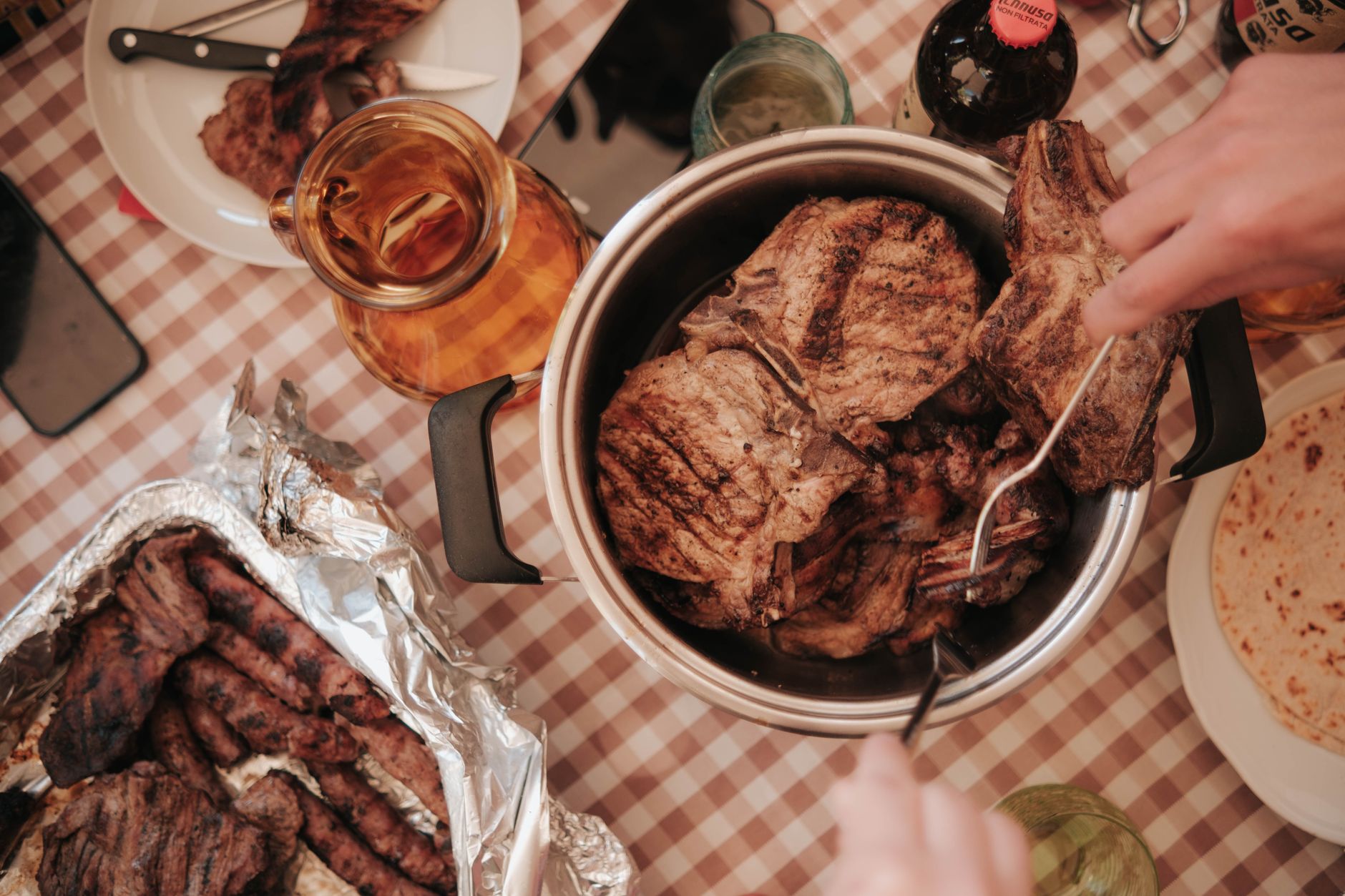
Beaver is not a common protein choice in many diets, but it has been consumed in various cultures throughout history. Often regarded as an unusual delicacy, beaver meat has unique properties that can appeal to adventurous eaters and culinary enthusiasts alike.
This article explores whether people eat beaver, including its culinary uses, flavor profile, preparation methods, and serving ideas. Whether you’re curious about trying beaver meat or looking for ways to use it in dishes, you’ll find informative insights here.
Do People Eat Beaver?
Yes, people do eat beaver, and it has been a part of the North American diet for centuries. Beaver meat is rich in flavor, often described as similar to beef or pork, and it has a slightly gamey quality. Additionally, beaver fat is sometimes used for cooking and baking, making its consumption multifaceted.
The Flavor and Texture of Beaver Meat
Beaver meat is known for its robust flavor and firm texture. The taste has been compared to that of beef, but with a slightly sweeter and richer undertone. It is lean, with certain cuts offering more fat, which can enhance the meat’s flavor when cooked properly. The texture is generally tender when cooked well, making it suitable for various cooking methods.
Cultural Context and Historical Significance
Beaver has been part of Indigenous diets in North America for thousands of years. They utilized beaver for both food and fur, which was valuable in trade. European settlers and trappers adopted beaver meat into their diets as well, particularly during periods of scarcity.
While consumption of beaver is less common today, it is still featured in regional cuisines, particularly in parts of Canada and the northern United States. In some areas, it is considered a traditional dish during winter months or special occasions.
Nutritional Benefits of Beaver Meat
Beaver meat is lean and high in protein, making it a nutritious option in a meat-centric diet. It is also rich in essential vitamins and minerals, including B vitamins, iron, and zinc. However, as with any game meat, it’s important to source beaver from reputable areas to ensure food safety and sustainability.
Where to Source Beaver Meat
Beaver meat can sometimes be found at specialty butcher shops, farmers’ markets, or through local hunting regulations. In certain regions, particularly in Canada and parts of the northern United States, it may be available through licensed hunters or outdoor meat processors. It’s crucial to ensure that the meat comes from ethical and sustainable sources.
Cooking Methods for Beaver Meat
Beaver meat can be prepared in various ways, including roasting, stewing, or BBQing. Traditional methods often involve slow cooking to tenderize the tougher cuts. Here are some popular cooking methods:
1. Slow Cooking
Slow cooking is one of the best methods for preparing beaver meat, as it helps break down the tougher muscle fibers and enhances flavor.
2. Roasting
Roasting beaver can result in a succulent and flavorful dish, ideally suited for special occasions.
3. Grilling
Grilling beaver steaks can yield a delicious charred flavor. It’s important to marinate the meat before grilling to ensure tenderness and flavor.
4. Stewing and Braising
These methods are excellent for incorporating beaver meat into hearty dishes. Stews benefit from the additional fat content, creating a rich broth.
Preparation Techniques for Beaver Meat
Proper preparation of beaver meat involves several important steps. Here’s a guide to preparing beaver meat for cooking:
- Cleaning and Butchering: If you are sourcing whole beaver, it’s crucial to clean and butcher the meat properly to ensure safety.
- Trimming Fat: Trim excess fat from the meat, especially if you find it to be particularly greasy.
- Marinating: Consider marinating beaver meat prior to cooking. A mixture of vinegar, herbs, and spices can enhance the flavor.
Recipes Featuring Beaver Meat
Here are two recipes that showcase the unique taste of beaver meat:
Beaver Stew
This hearty stew is perfect for cold weather and is a traditional way to prepare beaver meat. It’s rich, flavorful, and loaded with vegetables.
- Yield: 6 servings
- Preparation time: 20 minutes
- Cooking time: 2 hours
- Total time: 2 hours 20 minutes
Ingredients:
- 2 lbs beaver meat, cut into chunks
- 4 cups beef or vegetable broth
- 2 cups potatoes, chopped
- 1 cup carrots, sliced
- 1 cup onions, diced
- 3 cloves garlic, minced
- 1 tablespoon tomato paste
- 1 tablespoon Worcestershire sauce
- 2 tablespoons olive oil
- Salt and pepper to taste
- Fresh herbs (like thyme or parsley) for garnish
Method:
- Heat olive oil in a large pot over medium-high heat. Add the beaver meat and brown on all sides.
- Add diced onions and garlic, cooking until softened.
- Stir in tomato paste, Worcestershire sauce, salt, and pepper.
- Add the broth, potatoes, and carrots to the pot.
- Bring to a boil, then reduce heat, cover, and let simmer for about 2 hours or until the meat is tender.
- Serve hot, garnished with fresh herbs.
Grilled Beaver Steaks
This recipe showcases the rich flavors of beaver meat with an easy marinade that elevates the taste. Perfect for summer BBQs!
- Yield: 4 servings
- Preparation time: 15 minutes (plus 2 hours marinating)
- Cooking time: 10 minutes
- Total time: 2 hours 25 minutes
Ingredients:
- 4 beaver steaks
- 1/4 cup olive oil
- 2 tablespoons balsamic vinegar
- 2 cloves garlic, minced
- 1 tablespoon rosemary, chopped
- Salt and pepper to taste
Method:
- In a bowl, whisk together olive oil, balsamic vinegar, garlic, rosemary, salt, and pepper.
- Place the beaver steaks in a resealable plastic bag and pour the marinade over the meat.
- Seal and refrigerate for at least 2 hours, or overnight for best flavor.
- Preheat the grill to medium-high heat. Remove steaks from the marinade and discard the marinade.
- Grill for about 5 minutes on each side, or until the internal temperature reaches 145°F (63°C).
- Let rest for a few minutes before slicing and serving.
Serving Suggestions for Beaver Dishes
Beaver meat can be served in a variety of ways to enhance the dining experience. Here are some creative serving suggestions:
- Serve the beaver stew with a warm slice of homemade bread or cornbread to soak up the broth.
- Pair grilled beaver steaks with a fresh salad dressed in a light vinaigrette.
- Consider serving beaver meat alongside roasted or seasonal vegetables for a colorful plate.
- Garnish with freshly chopped herbs to elevate the aesthetic and flavor.
Common Mistakes to Avoid When Cooking Beaver
When preparing beaver meat, certain pitfalls can arise. Here are some common mistakes to avoid:
- Overcooking the meat can lead to dryness; keep an eye on internal temperatures to ensure optimal juiciness.
- Using too much fat can overwhelm the flavor; be judicious with added oils or fats in cooking.
- Skipping marination can result in a less flavorful dish; take the time to marinate when possible.
Storage and Preservation of Beaver Meat
Should you find yourself with leftover beaver meat or if you purchase in bulk, proper storage is essential:
- Store raw beaver meat in the refrigerator for up to 2 days or freeze for up to 6 months.
- Cooked beaver dishes can be stored in the refrigerator for up to 4 days; for longer storage, freeze in airtight containers.
- When reheating, ensure that the internal temperature reaches at least 165°F (74°C) for safe consumption.
Conclusion
Beaver meat may not be the most common choice, but it offers a unique flavor profile and is steeped in cultural history. Exploring this protein can add variety and depth to your meals, particularly if you enjoy trying new and unconventional foods. Whether you choose to make a warming stew or grill tender steaks, beaver meat can be a delicious addition to your culinary repertoire.
Explore more about unique proteins, alternative meats, or regional recipes to broaden your cooking experience and enhance your meal planning. Consider reading up on creative meal prep ideas, or dive into regional cuisines for inspiration.