
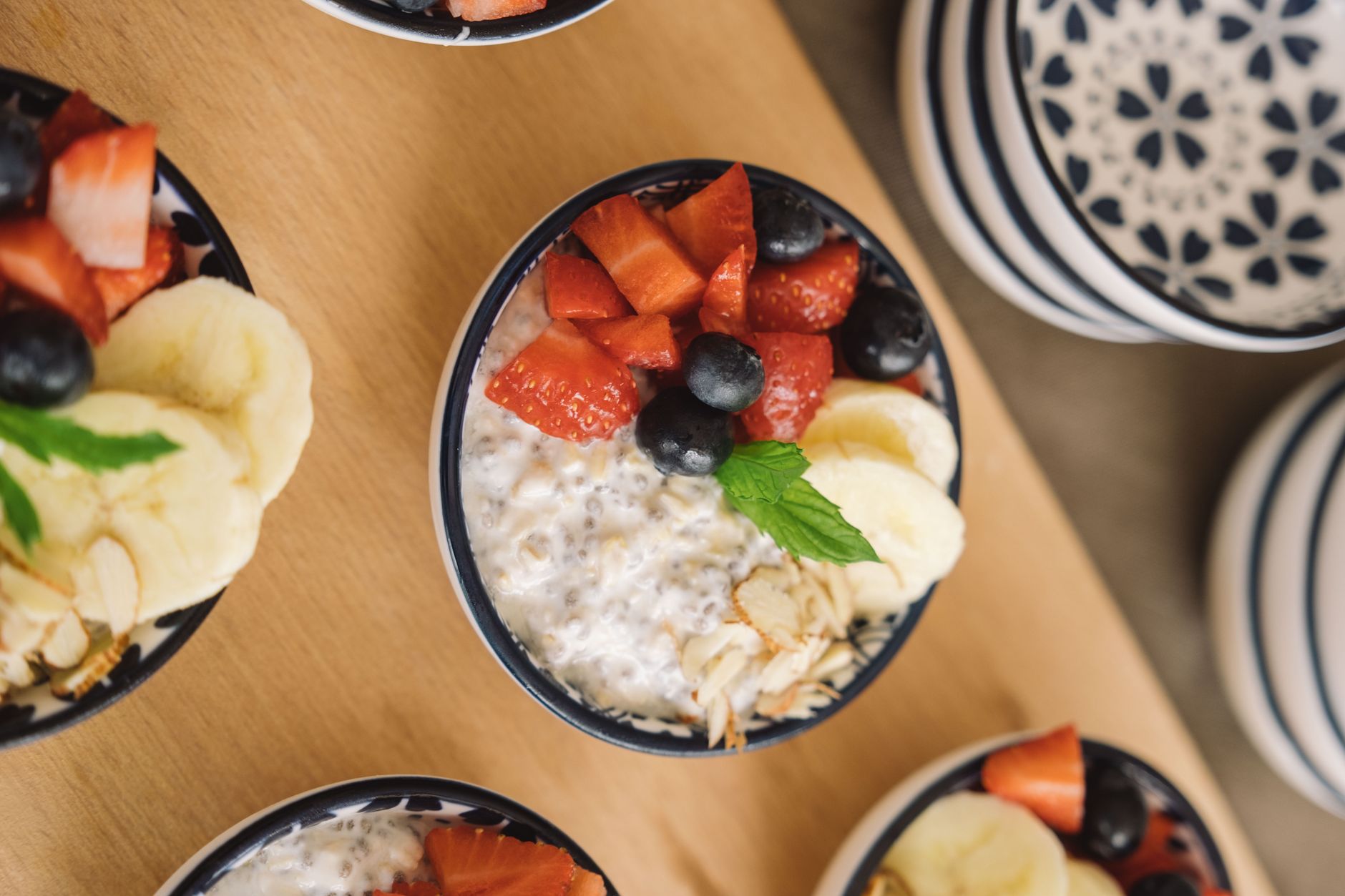
Quick oats, often found in pantries, are a popular breakfast item due to their convenience and versatility. They are pre-cooked, dried, and rolled, allowing for a speedy cooking process without compromising on flavor or nutritional benefits.
Understanding quick oats, including their ingredients, flavor profile, and serving suggestions, can help you incorporate them effectively into your diet. This guide will provide you with all the information needed to make the most of quick oats.
What Are Quick Oats?
Quick oats are a type of oats that have been processed to simplify cooking. Produced by steaming whole oat groats before rolling them into thinner flakes, quick oats cook faster than traditional oats. They retain the nutritional value of whole oats while providing a convenient option for busy mornings.
Ingredients and Nutritional Profile of Quick Oats
Quick oats are primarily made from whole grain oats, which are a good source of carbohydrates, vitamins, and minerals. When looking at the ingredient list of most quick oat products, you will typically find:
- Whole grain oats
- Salt (in some varieties)
- Sweeteners or flavorings (in flavored varieties)
Plain quick oats contain minimal ingredients and are an excellent source of fiber, particularly beta-glucans, which can help with heart health and cholesterol management. They are also rich in B vitamins, iron, magnesium, and antioxidants.
Flavor Profile of Quick Oats
The flavor of quick oats is mild and slightly nutty. This neutral flavor makes them a versatile base for various toppings and mix-ins, allowing you to customize them to your tastes. Whether you prefer sweet or savory, quick oats can accommodate a wide range of flavors.
How to Cook Quick Oats
Cooking quick oats is straightforward and can be accomplished in just a few minutes. Here’s a simple method for preparing quick oats:
Cooking Method
- Measure out 1 cup of quick oats and 2 cups of water or milk (adjust for desired creaminess).
- In a medium saucepan, bring the liquid to a boil.
- Once boiling, stir in the quick oats.
- Reduce heat to low and cook for 1-2 minutes, stirring occasionally until the oats are soft and have absorbed most of the liquid.
- Remove from heat and let stand for a minute.
- Serve warm, garnished with your favorite toppings.
Serving Suggestions for Quick Oats
Quick oats can be tailored to your taste preferences with various toppings and mix-ins. Here are some popular serving ideas:
- Sweet Options:
- Fresh fruits like bananas, berries, or apples
- Sweeteners such as honey, maple syrup, or agave nectar
- Nut butters like almond or peanut butter
- Chia seeds or flaxseeds for added nutrition
- Yogurt for creaminess and probiotics
- Savory Options:
- Cooked veggies like spinach, tomatoes, or mushrooms
- Cheese, such as feta or shredded cheddar
- Avocado slices with a sprinkle of salt
- Eggs, whether poached, scrambled, or fried
These toppings can transform a simple bowl of oats into a nutritious meal that satisfies a variety of cravings.
Variations and Flavor Combinations
If you’re looking to elevate your quick oats, consider the following popular combinations that bring different flavors and nutrients:
- Apple Cinnamon: Stir in chopped apples, a pinch of cinnamon, and some raisins.
- Peanut Butter Banana: Mix peanut butter and sliced bananas for a protein-packed option.
- Berry Coconut: Add fresh or frozen berries and a sprinkle of shredded coconut.
- Maple Pecan: Use maple syrup as a sweetener and top with chopped pecans.
Practical Substitutions for Quick Oats
If you’re looking to adjust your quick oats recipe, here are some substitutions and considerations:
- For non-dairy options, replace cow’s milk with almond milk, oat milk, or soy milk.
- If you do not have quick oats, you can use old-fashioned oats but increase the cooking time by a couple of minutes.
- For sweetening, consider using natural alternatives like stevia, monk fruit sugar, or coconut sugar instead of granulated sugar.
Common Mistakes When Cooking Quick Oats
Here are some common pitfalls and tips to avoid them:
- Using too much liquid can make the oats watery, so stick to the recommended ratio of 1 part oats to 2 parts liquid.
- Not stirring enough can lead to uneven cooking, so keep the mixture moving during the cooking process.
- Overcooking can make oats mushy, reducing their texture quality. Aim for a cooking time of 1-2 minutes.
Storage and Reheating of Quick Oats
If you have leftover cooked quick oats, store them in an airtight container in the refrigerator for up to four days. For reheating:
- Place the oats in a microwave-safe bowl.
- Add a splash of water or milk to moisten the oats.
- Microwave in 30-second intervals, stirring to achieve your desired temperature.
Quick oats can also be stored dry in an airtight container in a cool, dry place for up to a year.
Quick Oats in Meal Planning
Integrating quick oats into your meal planning can boost your breakfast routine. Here’s how you can easily include them:
- Prepare a large batch of oats at the beginning of the week and divide them into individual serving sizes for grab-and-go mornings.
- Create oatmeal jars by layering oats with toppings like fruits and nuts. Just add liquid when ready to eat.
- Plan to use oats in smoothies or baked goods as a nutritious addition.
Conclusion
Quick oats serve as a convenient, nutritious, and versatile ingredient that can enhance your meals. Their easy preparation and adaptability to various flavors make them a staple for quick breakfasts or snacks. Start experimenting with different toppings and pairings today to enjoy the possibilities.
For more delicious recipes, check out our Chia Pudding Recipe and discover how to make Quaker Oats Cookies to satisfy your sweet tooth. These recipes complement the hearty base of quick oats and can bring delightful variety to your meals.