
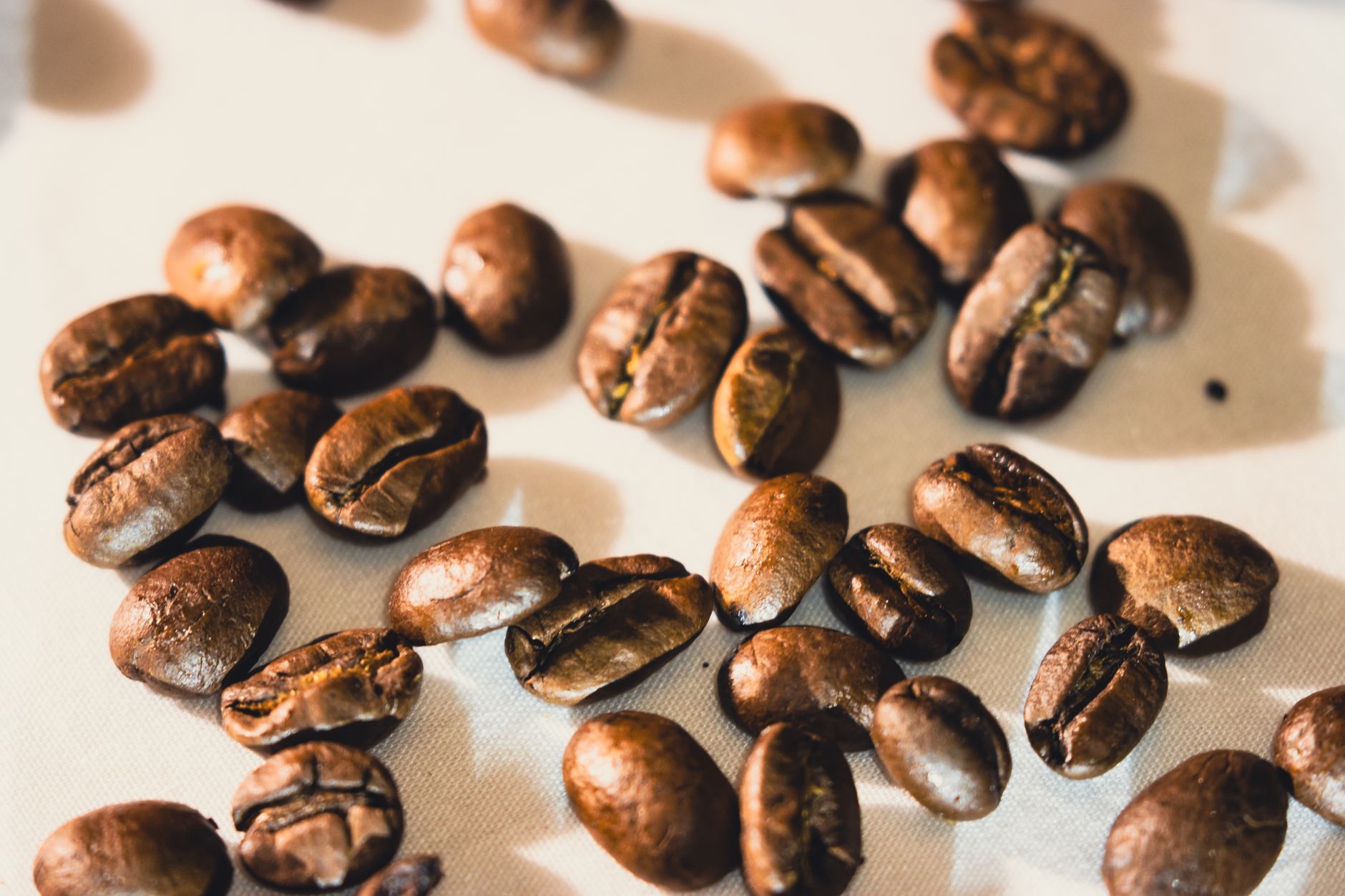
Coffee is a beloved beverage worldwide, cherished not only for its rich flavors but also for its energizing effects. One common question among coffee enthusiasts is about caffeine content: which roast of coffee has the most caffeine? Understanding the relationship between roast levels and caffeine can help you make an informed choice when selecting your ideal brew.
This article dives into the factors that affect caffeine levels in coffee, compares different roast types, and offers practical insights to maximize your coffee experience. By the end, you’ll know not only which roast may deliver the highest caffeine but also how to brew it for the best results.
Which Roast of Coffee Has the Most Caffeine?
In general, light roasts have slightly more caffeine than dark roasts. However, the difference is minimal and can depend on various factors, including the brewing method and the type of coffee beans used. Light roasts are roasted for a shorter time, which preserves more of the beans’ natural caffeine content. Conversely, the longer roasting process for dark roasts can lead to a slight reduction in caffeine.
Understanding Coffee Roasts
Coffee roasting is a crucial process that involves heating green coffee beans to develop their flavor and aroma. The level of roast affects not just the flavor but also various chemical components, including caffeine. Generally, coffee can be classified into three main roast categories: light, medium, and dark. Let’s explore each type in detail.
Light Roast Coffee
Light roasted coffee, often referred to as a “Cinnamon” or “New England” roast, features a light brown color and no visible oils on the surface. This roast preserves most of the beans’ original flavors and characteristics because they undergo a shorter roasting time.
**Caffeine Content**: Light roasts typically contain slightly more caffeine due to their shorter roasting time. The beans are heated to about 350°F to 400°F, allowing them to retain their natural compounds, including caffeine. When brewed, light roasts can provide a potent coffee with bright, often fruity flavors.
Medium Roast Coffee
Medium roast coffee strikes a balance between the bright acidity of light roasts and the deeper flavors of dark roasts. It often has a rich brown color with some oils present. Common names for medium roasts include “American,” “City,” and “Full City” roasts.
**Caffeine Content**: Medium roasts generally have a caffeine level that falls between light and dark roasts. The roasting temperature typically reaches around 400°F to 450°F. At this level, the coffee retains a good amount of flavor clarity while also developing some of the sweeter notes characteristic of longer roasting times.
Dark Roast Coffee
Dark roast coffee, sometimes called “French” or “Italian” roast, features a dark brown to almost black color with an oily surface. This roast is known for its bold and smoky flavor profile. The roasting process for dark roasts can reach temperatures of 450°F to 480°F.
**Caffeine Content**: Surprisingly, dark roasts usually have less caffeine than their lighter counterparts. The longer roasting time breaks down more caffeine content, leading to a subtle drop in caffeine levels. The flavor profile in dark roasts becomes more robust, often with chocolate and caramel notes, yet they may not provide the same caffeine kick found in lighter roasts.
Other Factors Affecting Caffeine Content
While roast level plays a vital role in caffeine content, several other factors also contribute to the overall caffeine levels in your coffee:
Type of Coffee Beans
The two primary species of coffee beans are Arabica and Robusta. Arabica beans typically have a smoother flavor and less caffeine, averaging about 1.2% caffeine content. On the other hand, Robusta beans are characterized by a stronger, more bitter taste and can contain about 2.2% to 2.7% caffeine.
Brewing Method
The brewing method can significantly impact the final caffeine content of your coffee. For instance:
- Espresso: A concentrated coffee beverage with higher caffeine per ounce compared to a regular cup, but most servings are smaller.
- French Press: Steeping coarsely ground coffee in hot water for several minutes can extract more caffeine.
- Cold Brew: Often higher in caffeine because of the prolonged brewing time, but the final caffeine concentration depends on the coffee-to-water ratio used.
Coffee-to-Water Ratio
The amount of coffee used compared to water during brewing affects caffeine content. A higher coffee-to-water ratio typically results in more caffeine extracted into the final beverage. Experimenting with different ratios can help tailor the caffeine level to your preference.
Practical Insights for Your Coffee Journey
Now that you understand the basics of coffee roasting and its influence on caffeine content, here are some practical tips to enhance your coffee experience:
Choosing the Right Roast
If you seek a caffeine boost, opt for a lighter roast that retains more of its natural caffeine. However, if you prefer robust flavors and feel like indulging in a rich, dark cup, remember that while the caffeine content may be slightly lower, you can enjoy a delicious brewing experience.
Experimenting with Brews
Take advantage of various brewing methods. If you like light roast coffee, try brewing it in a French press or as a cold brew to bring out different flavor notes while maximizing caffeine extraction. This can significantly enhance your appreciation for the bean’s complexity.
Monitoring Serving Sizes
When calculating caffeine intake, pay close attention to the serving sizes. A standard 8 oz cup of coffee can have varying caffeine content depending on brew type and roast, ranging from 95 mg to 200 mg of caffeine. If you’re looking for a significant caffeine hit, consider opting for a double shot of espresso or a concentrated cold brew.
Storing Your Coffee
Proper coffee storage can help maintain freshness and flavor. Store your beans in an airtight container in a cool, dark place, away from moisture and light to preserve their quality over time.
Common Mistakes to Avoid
When brewing coffee, there are common pitfalls to watch out for:
- Over-extraction: Brewing too long can lead to bitter flavors and may lower overall satisfaction with your cup.
- Under-extraction: Coffee brewed for too short a time may be weak and lacking in flavor.
- Poor Water Quality: The water you use can significantly impact the taste of your coffee. Use filtered water for the best results.
Conclusion
The roast of coffee you choose does impact caffeine content; light roasts generally contain slightly more caffeine than dark roasts. Ultimately, the best roast for you depends on your personal taste preferences and desired caffeine levels. Experimenting with different roasts, brewing methods, and serving sizes can lead to a rewarding coffee experience that awakens both your senses and mind.
For further exploration, consider trying out a protein coffee recipe for a nutritious caffeine boost or discovering what tea has the most caffeine for a change of pace. Each direction provides a unique approach to energizing your day!