
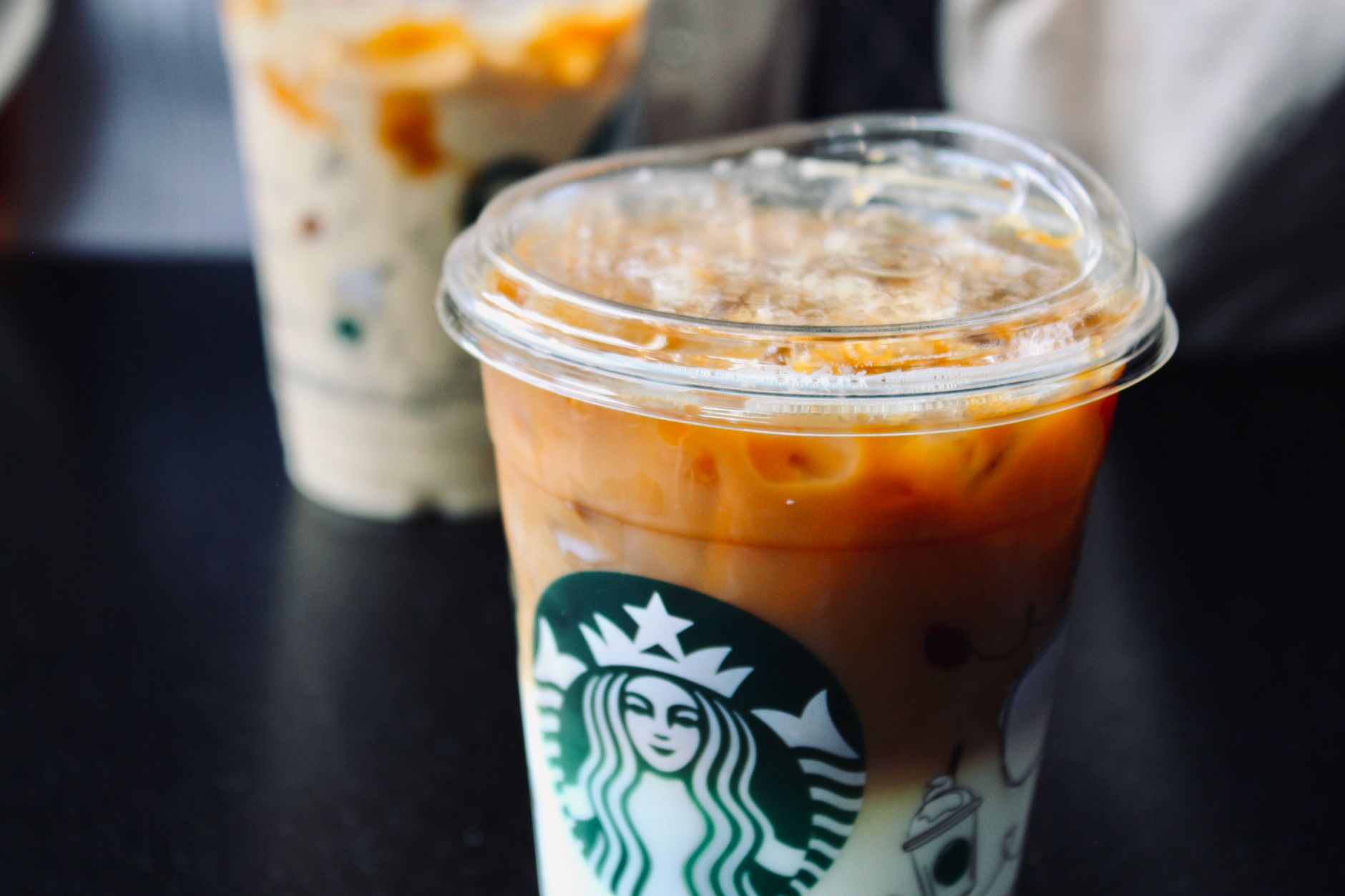
Caffeine enthusiasts often seek out their favorite coffee beverages, and one popular option is Starbucks Cold Brew. With its smooth flavor and lower acidity, it’s a refreshing drink choice, especially during warmer months. However, many people wonder: how much caffeine actually lies within a cup of Starbucks Cold Brew?
This article will explore the caffeine content in Starbucks Cold Brew, how it compares with other coffee options, factors that influence its caffeine levels, and tips for enjoying this drink to suit your caffeine preferences.
How Much Caffeine in a Starbucks Cold Brew?
A standard serving of Starbucks Cold Brew coffee contains approximately 155 mg of caffeine for a tall (12 fl oz) size. This amount can vary based on beverage modifications and preparation methods but provides a solid baseline for understanding the caffeine content in this popular drink.
What Influences Caffeine Content in Cold Brew?
Several factors contribute to the caffeine levels in Starbucks Cold Brew, including the brewing process, coffee bean selection, and serving size. Understanding these can help you gauge how much caffeine you might consume in your cup.
The Brewing Process
Cold brew coffee is made by steeping coarsely ground coffee in cold water for an extended period, usually 12 to 24 hours. This method produces a concentrate that is then diluted with water or milk before serving. The prolonged steeping time extracts more caffeine compared to traditional brewing methods, which often involve hot water extraction. As a result, cold brew generally contains higher caffeine levels than hot brewed coffee.
Type of Coffee Beans
The type of coffee beans used can significantly affect caffeine content. Starbucks typically uses a blend of premium Arabica beans. Arabica beans tend to have less caffeine than Robusta beans. However, the specific blend and roast of the beans can influence the final caffeine amount in Cold Brew.
Serving Sizes
Starbucks Cold Brew is available in various sizes: tall (12 fl oz), grande (16 fl oz), and venti (24 fl oz). The caffeine content increases with each size. For reference, the caffeine content approximately increases as follows:
- Tall: 155 mg
- Grande: 205 mg
- Venti: 310 mg
Therefore, if you’re looking for a caffeine boost, opting for a larger size will yield more caffeine.
Starbucks Cold Brew vs. Other Coffees
How does Starbucks Cold Brew measure up when compared to other coffee options? Here’s a quick comparison:
Cold Brew vs. Iced Coffee
Iced coffee is brewed using hot water and then cooled down. Typically, a grande iced coffee contains about 165 mg of caffeine. While both drinks offer a refreshing beverage option, cold brew tends to have a smoother taste and slightly higher caffeine concentration than iced coffee prepared in the conventional method.
Cold Brew vs. Regular Brewed Coffee
A standard 12 fl oz cup of brewed coffee typically contains around 200 mg of caffeine, depending on the brewing method and coffee bean type. Cold brew’s coarsely ground, longer steeping time often extracts more caffeine. It’s important to note, though, that brewing methods that use high coffee-to-water ratios or fine grounds can lead to higher caffeine in traditional brewed coffee.
Cold Brew Cocktails and Beverages
If you’re adding flavors or mixers to your cold brew—all of which can affect caffeine levels—you should consider that syrups or creamers could introduce additional calories or sugars but usually do not add caffeine. Always check with Starbucks’ menu or staff for exact caffeine counts in blended beverages.
How to Customize Your Cold Brew
Starbucks offers a variety of customization options for cold brew, allowing you to tailor your drink according to your taste and caffeine preference:
Milk and Creamers
Adding milk, cream, or dairy alternatives to your cold brew can mellow its flavor but will not necessarily increase its caffeine content. The amount of dairy added will decrease the overall concentration of the coffee, potentially resulting in a lighter taste but not significant changes in caffeine levels.
Syrups and Flavors
Starbucks offers an array of flavored syrups that can enhance your cold brew’s taste. Most popular options like vanilla, caramel, or mocha provide sweetness without adding caffeine. However, some seasonal flavors may contain added coffee, so check with the barista if you’re concerned about changes in caffeine content.
Cold Brew Concentrate
If you want an amplified caffeine boost, you might consider asking for cold brew concentrate, which is a stronger version of the beverage that can contain substantially more caffeine depending on how it’s diluted. This option is less commonly requested but can make a significant difference if you’re looking for a more intense cold brew experience.
Potential Health Considerations
While caffeine can enhance alertness and concentration, it’s essential to consume it mindfully. Too much caffeine can lead to potential side effects such as jitteriness, insomnia, or fast heart rate. For many adults, a caffeine intake of up to 400 mg per day is generally considered safe, which translates to about four 8-ounce cups of brewed coffee.
Temperature and Caffeine Sensitivity
Caffeine sensitivity varies by person. Some individuals may find they are more sensitive to caffeine regardless of the temperature of their coffee beverage. If you are prone to anxiety or sleep disturbances, you may wish to limit your intake or choose decaffeinated options.
Common Mistakes and Troubleshooting
Understanding how to enjoy your Starbucks Cold Brew maximizes your experience and prevents common pitfalls:
Overcomplicating Customizations
While it’s great to customize your drink, adding too many flavors or syrups can drown out the nuanced taste of the cold brew itself. Stick with one or two customizations to maintain the original flavor while enhancing it.
Expecting Consistency
While Starbucks aims to maintain uniformity across its beverages, slight variations can occur due to factors like barista skill, equipment, and ingredient availability. If your cold brew doesn’t taste as expected, feel free to discuss your preferences with the barista for adjustments.
Storage and Make-Ahead Tips
If you enjoy making cold brew at home, you can prepare larger batches to keep on hand for those warm days when caffeine cravings arise. Here are some tips:
Homemade Cold Brew
To make cold brew at home, use coarsely ground coffee and steep it in cold water for 12 to 24 hours. After steeping, strain the coffee grounds using a fine mesh filter or cheesecloth.
Storing Cold Brew
Store your cold brew concentrate in an airtight container in the refrigerator for up to two weeks. Dilute before serving with an equal ratio of water or milk, based on your taste preference.
Conclusion
Starbucks Cold Brew offers a delicious caffeine fix with a refreshing twist. With its caffeine content varying by size and customization options, it allows coffee drinkers to adapt their experience according to their preferences. Whether you’re enjoying it simply over ice or dressing it up with flavors, understanding its caffeine content can enhance your coffee journey.
For more information on coffee syrups and other delightful recipes, explore additional resources like our guide on coffee syrup or learn how to make chai concentrate. Enjoy every sip!