
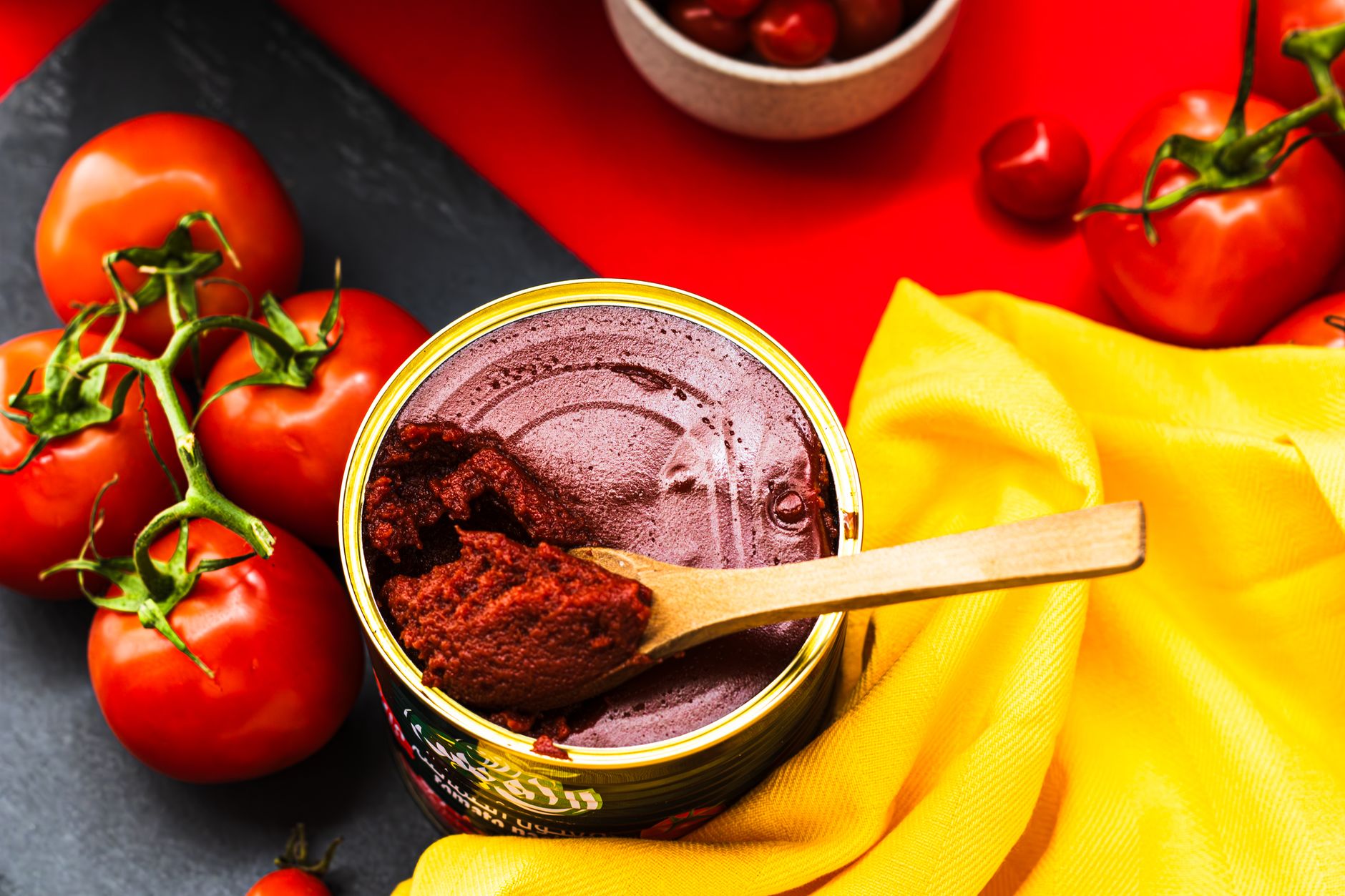
When it comes to cooking, understanding the ingredients we use can make all the difference in flavor, texture, and overall dish quality. Among the many pantry staples, tomato paste and tomato sauce are often confused with one another. This article will explore their differences, uses, and appropriate substitutes to help you make informed cooking decisions.
Although tomato paste and tomato sauce share a similar base, they vary significantly in terms of consistency, flavor intensity, and cooking applications. Knowing these distinctions can enhance your culinary expertise and improve your dishes. Let’s delve into the comparison between tomato paste and tomato sauce.
Is Tomato Paste The Same As Tomato Sauce?
No, tomato paste is not the same as tomato sauce. The primary differences lie in their consistency, flavor profiles, and how they are processed. Tomato paste is a concentrated form of tomatoes, while tomato sauce retains more moisture and typically has additional ingredients for flavoring.
The Basic Differences Between Tomato Paste and Tomato Sauce
Understanding the fundamental differences between tomato paste and tomato sauce starts with their production methods and intended uses.
1. Production and Ingredients
Tomato paste is made by cooking down tomatoes for several hours, removing seeds and skins, and concentrating the flavor and consistency. This process reduces the water content, resulting in a thick product that is often used to intensify flavor in a dish.
On the other hand, tomato sauce is generally made from cooked tomatoes but retains more liquid. It often includes a variety of seasonings and ingredients, such as onions, garlic, spices, and sometimes sugar, which contribute to its flavor profile.
2. Consistency
The most notable difference between the two products is their consistency. Tomato paste is thick and dense, while tomato sauce has a more fluid texture. This difference affects how each product is used in cooking.
3. Flavor Intensity
Tomato paste possesses a rich, concentrated tomato flavor due to its concentrated nature. Tomato sauce, however, has a milder taste and is often sweeter. The presence of added ingredients in tomato sauce contributes to its more complex flavor profile.
4. Culinary Uses
These variations in consistency and flavor make each product suitable for different culinary applications. Tomato paste is typically used to thicken sauces, enrich soups, or create concentrated flavors in dishes that require a depth of tomato flavor, such as stews or casseroles. On the other hand, tomato sauce is ideal for pasta, pizzas, and as a base for other sauces because of its more fluid nature.
Substituting Tomato Paste and Tomato Sauce
At times, you may find yourself without tomato paste or sauce on hand when a recipe calls for one or the other. Understanding how to substitute these ingredients can ensure your cooking continues without a hitch.
Using Tomato Sauce Instead of Tomato Paste
If you decide to use tomato sauce in place of tomato paste, keep in mind that you will need to adjust the liquid in your recipe. Tomato sauce is thinner, so reducing the overall liquid content can help maintain the desired consistency of your dish. An effective ratio is to use three tablespoons of tomato paste for every quarter cup of tomato sauce, but it may require additional cooking to achieve the thickness desired.
Using Tomato Paste Instead of Tomato Sauce
When substituting tomato paste for tomato sauce, it is essential to add water or broth to achieve a similar consistency. Typically, one tablespoon of tomato paste mixed with one tablespoon of water can replace a quarter cup of tomato sauce, but additional seasonings may be needed to replicate the flavor.
Flavor Profiles and Culinary Applications
The choice between tomato paste and tomato sauce can significantly affect the flavor profile of your dishes. Let’s explore how each ingredient contributes to various recipes.
Tomato Paste in Cooking
Tomato paste shines when it’s used to bolster the flavor in sauces, soups, and casseroles. The following are some specific applications:
- Rich Sauces: Combine tomato paste with sautéed onions, garlic, and herbs to create a robust sauce for pasta.
- Chili and Stews: Incorporate tomato paste in chili or stews to deepen the flavor and thicken the sauce.
- Pizza Sauce: Use a mixture of tomato paste and water or olive oil with spices for a flavorful pizza base.
Tomato Sauce in Cooking
Tomato sauce offers versatility and a lighter taste, making it suitable for various dishes. Here are some examples of using tomato sauce:
- Pasta Dishes: Tomato sauce pairs exceptionally well with pasta. Toss with spaghetti for a quick and satisfying meal.
- Shakshuka: Use tomato sauce as a base for this popular Middle Eastern dish featuring poached eggs in a spicy sauce.
- Stews and Braises: Gentle simmering with tomato sauce adds flavor and moisture to meats and vegetables.
Common Mistakes When Using Tomato Products
While these ingredients can elevate a dish, there are common mistakes to avoid when using tomato paste and tomato sauce.
1. Over-Using Tomato Paste
Because of its concentrated flavor, using too much tomato paste can lead to overwhelming a dish. It is essential to use it sparingly and taste as you cook to find the right balance.
2. Ignoring Texture Differences
Failing to consider the consistency differences between tomato paste and tomato sauce can affect the final dish. Be mindful of the thickness you require to ensure the desired texture of your meal.
3. Skipping Cooking Time
When using tomato sauce, don’t forget to simmer it for a while. Cooking tomato sauce allows the flavors to meld and develop, enhancing the overall taste of the dish.
Picking the Right Product
When selecting between tomato paste and tomato sauce, consider the following factors to make an informed choice:
1. Quality of Ingredients
Opt for products with fewer additives. Look for tomato paste made with 100% tomatoes and tomato sauce with minimal ingredients or those marketed as organic.
2. Storage Options
Both tomato paste and tomato sauce can be stored for long periods, but once opened, they should be refrigerated. Tomato paste can be frozen in small portions, while tomato sauce should ideally be consumed within a week after opening.
3. Convenience
If you’re looking for convenience, consider the type of tomato product you purchase. Canned tomato sauce is a quick option for last-minute meals, while tomato paste offers the benefit of intensifying flavor in both quick and slow-cooked dishes.
Cooking Techniques to Amplify Flavors
Using either tomato paste or tomato sauce effectively involves employing the right cooking techniques to maximize their flavors. Here are some suggestions:
1. Sautéing
Begin a sauce with sautéed onions and garlic before adding tomato paste or sauce. This step releases the sweetness in the onions and the aromatic quality of garlic, building a flavor foundation.
2. Simmering
Allowing pasta sauce or stews to simmer lets the flavors meld and develop depth. This technique works beautifully for both tomato paste-heavy dishes and tomato sauce-based recipes.
3. Adding Herbs and Spices
Herbs and spices can complement the natural flavors of tomato products. Consider adding basil, oregano, or thyme to tomato sauce and hearty spices like cumin and chili powder to tomato-based stews.
Conclusion
Tomato paste and tomato sauce are not the same, but both have valuable roles in cooking. Understanding their differences is key to elevating your dishes, enhancing flavor, and ensuring optimal preparation. By knowing how to use and substitute these products, you can take your culinary skills to the next level.
Whether you’re whipping up a quick pasta dish or simmering a hearty stew, keep these tips and insights in mind to make the most of your tomato products. Consider exploring various tomato-based recipes or tips for making a flavorful pomodoro sauce to expand your cooking repertoire.