
Men may not typically associate estrogen with their diets, but certain foods can influence hormone levels. Understanding the relationship between diet and estrogen can help in making informed dietary choices. This article explores various foods that are known to raise estrogen levels in men, providing insights into their benefits and how to integrate them into daily meals.
While men naturally produce estrogen, the balance of hormones is crucial for health. When estrogen levels rise too high or too low, it can lead to various health issues, including changes in mood, energy levels, and muscle mass. Let’s dive into the types of foods that can increase estrogen and how to effectively include them in a balanced diet.
What Foods Raise Estrogen in Men?
There are several key food categories known to influence estrogen levels in men. These include phytoestrogens, healthy fats, fruits and vegetables, nuts and seeds, and particular grains. Here’s a closer look at each category.
1. Phytoestrogens: The Power of Plant-Based Estrogens
Phytoestrogens are plant-derived compounds that can mimic estrogen in the body. They can bind to estrogen receptors and have a mild estrogenic effect. Incorporating these foods into your diet is a practical method to modulate hormone levels. Here are some common sources:
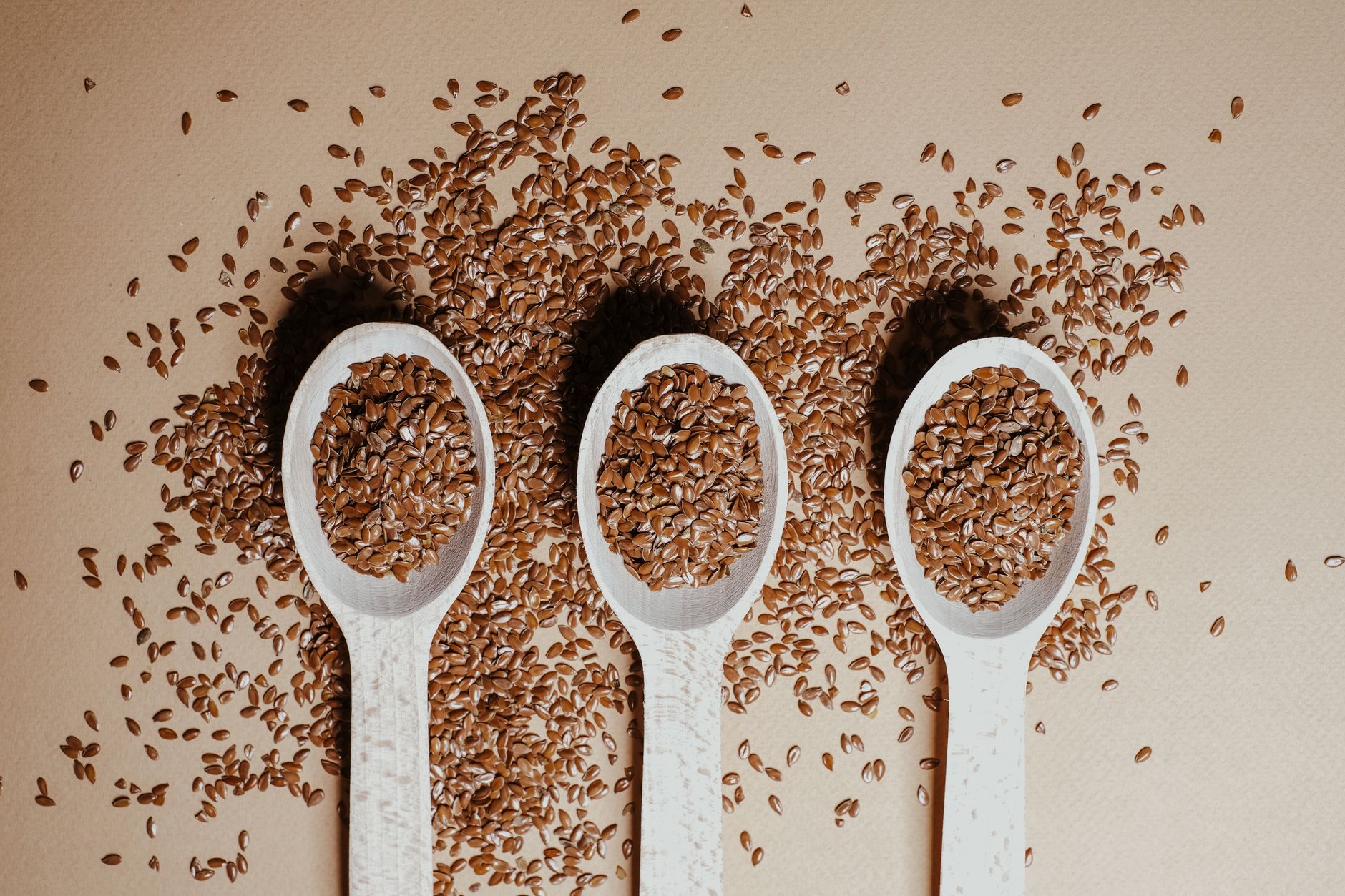
- Flaxseeds: Rich in lignans, flaxseeds can contribute significantly to estrogen production. Ground flaxseeds can be added to smoothies, oatmeal, or yogurt.
- Soy Products: Tofu, tempeh, and soy milk are high in isoflavones, another type of phytoestrogen. They can be utilized in various recipes, offering an excellent protein alternative.
- Chickpeas: Also known as garbanzo beans, chickpeas are a versatile food high in phytoestrogens. They can be used in salads, soups, or blended into hummus.
- Alfalfa Sprouts: These sprouts are not only rich in vitamins and minerals but also have phytoestrogens. They can be added to sandwiches or salads.
- Red Clover: Often consumed as tea, red clover is known for its potential estrogen-boosting effects.
2. Healthy Fats: Supporting Hormone Production
Healthy fats are essential for overall hormone production, including estrogen. Including sources of healthy fats in your diet can help balance hormone levels. Consider these options:
- Olive Oil: A cornerstone of the Mediterranean diet, olive oil is rich in healthy monounsaturated fats and antioxidants. It can be used for cooking or as a base for dressings.
- Avocados: Packed with healthy fats and fiber, avocados are not only good for your heart but may also support hormone balance. They can be added to salads, smoothies, or enjoyed on toast.
- Nuts: Walnuts and almonds are excellent sources of healthy fats and protein. Snacking on a handful or adding them to dishes can help boost estrogen levels.
- Fatty Fish: Salmon and mackerel are not only sources of omega-3 fatty acids but can also aid in hormonal health. Grilling or baking fish can bolster your meal options.
3. Fruits and Vegetables: Nature’s Hormone Helpers
Fruits and vegetables provide numerous beneficial compounds, including antioxidants and vitamins, which can aid estrogen production. Specific choices are particularly effective:
- Cruciferous Vegetables: Broccoli, Brussels sprouts, and cauliflower contain compounds that may help the body process estrogen effectively. They can be steamed, roasted, or added to stir-fries.
- Grapes: Particularly red and purple grapes, are rich in antioxidants and have potent chemicals that may increase estrogen production. They can be eaten fresh or blended into juices.
- Peaches: Juicy and refreshing, peaches contain phytoestrogens that can offer hormonal benefits. They can be enjoyed as snacks or desserts.
- Spinach: This leafy green is high in vital nutrients and can be easily added to salads, smoothies, or cooked dishes.
- Carrots: High in beta-carotene, carrots may support hormone levels and promote overall health. Enjoy them raw, steamed, or in soups.
4. Nuts and Seeds: Small but Mighty
Nuts and seeds are often overlooked but are nutrient-dense and can significantly impact estrogen levels. These should be integrated into your diet:
- Sesame Seeds: High in lignans, sesame seeds can be sprinkled on salads, added to smoothies, or consumed as tahini.
- Pumpkin Seeds: These seeds are nutritious and can help boost estrogen levels as well. Include them in trail mixes or salads.
- Sunflower Seeds: Rich in vitamin E and other nutrients, sunflower seeds can be eaten raw or roasted. They can be sprinkled on various dishes as well.
5. Grains: A Source of Fiber and More
Certain whole grains can be beneficial for estrogen levels and overall health. Here are some options to consider:
- Oats: Oatmeal is an excellent breakfast option, and oats have compounds that may help regulate hormone levels.
- Barley: This grain is high in fiber and can help with hormone balance. It can be used in salads or soups.
- Quinoa: As a complete protein with fiber, quinoa can support a well-rounded diet and contribute to hormone health. It can be served as a side dish or in salads.
Combining Foods for Maximum Effect
It’s not just about individual foods; rather, how they are combined can lead to even better results. Here are some meal ideas that incorporate estrogen-boosting ingredients:
- Breakfast Smoothie: Blend together soy yogurt, ground flaxseeds, spinach, and a banana for a nutrient-dense breakfast smoothie.
- Chickpea Salad: Toss together chickpeas, diced red bell pepper, chopped parsley, and sesame oil for a refreshing salad.
- Quinoa Bowl: Combine quinoa with roasted vegetables, pumpkin seeds, and avocado for a filling and nutritious meal.
- Oatmeal Topping: Top your oatmeal with walnuts, sliced peaches, and a drizzle of honey for a sweet and healthy breakfast.
Common Mistakes to Avoid
Increasing estrogen through diet should be done with caution. Here are some common pitfalls to avoid:
- Overconsumption of Processed Foods: These foods can disrupt hormone balance. Focus on whole, unprocessed foods instead.
- Neglecting Overall Nutrition: While focussing solely on estrogen-raising foods, ensure your diet remains balanced with all necessary nutrients.
- Ignoring Individual Responses: Monitor how specific foods impact your body, as everyone’s reactions to dietary changes may vary.
Storage and Preparation Tips
Proper storage and preparation methods can retain the beneficial properties of estrogen-raising foods. Consider these practical tips:
- Store Whole Foods Correctly: Keep seeds and nuts in airtight containers in a cool dark place to preserve freshness.
- Meal Prep: Prepare meals in advance, combining foods that complement each other to ensure you’re consuming enough estrogen-boosting items throughout the week.
- Cook with Care: When cooking vegetables, use methods like steaming or light sautéing to retain nutrients.
Conclusion
Incorporating specific foods into your diet can help raise estrogen levels naturally. Remember that balance is key, and the goal is to create a diet that supports overall health. Start by integrating phytoestrogens like flaxseeds, healthy fats from avocados, and fibrous fruits and vegetables. Tracking your progress and paying attention to how your body responds to these dietary changes will provide insights into optimizing hormone levels for your well-being.
Explore related recipes to further enhance your cooking experience with ingredients such as chia seeds or discover insights on the benefits of pineapple for men. Dive deeper into your dietary journey, and enjoy the flavors of health!