
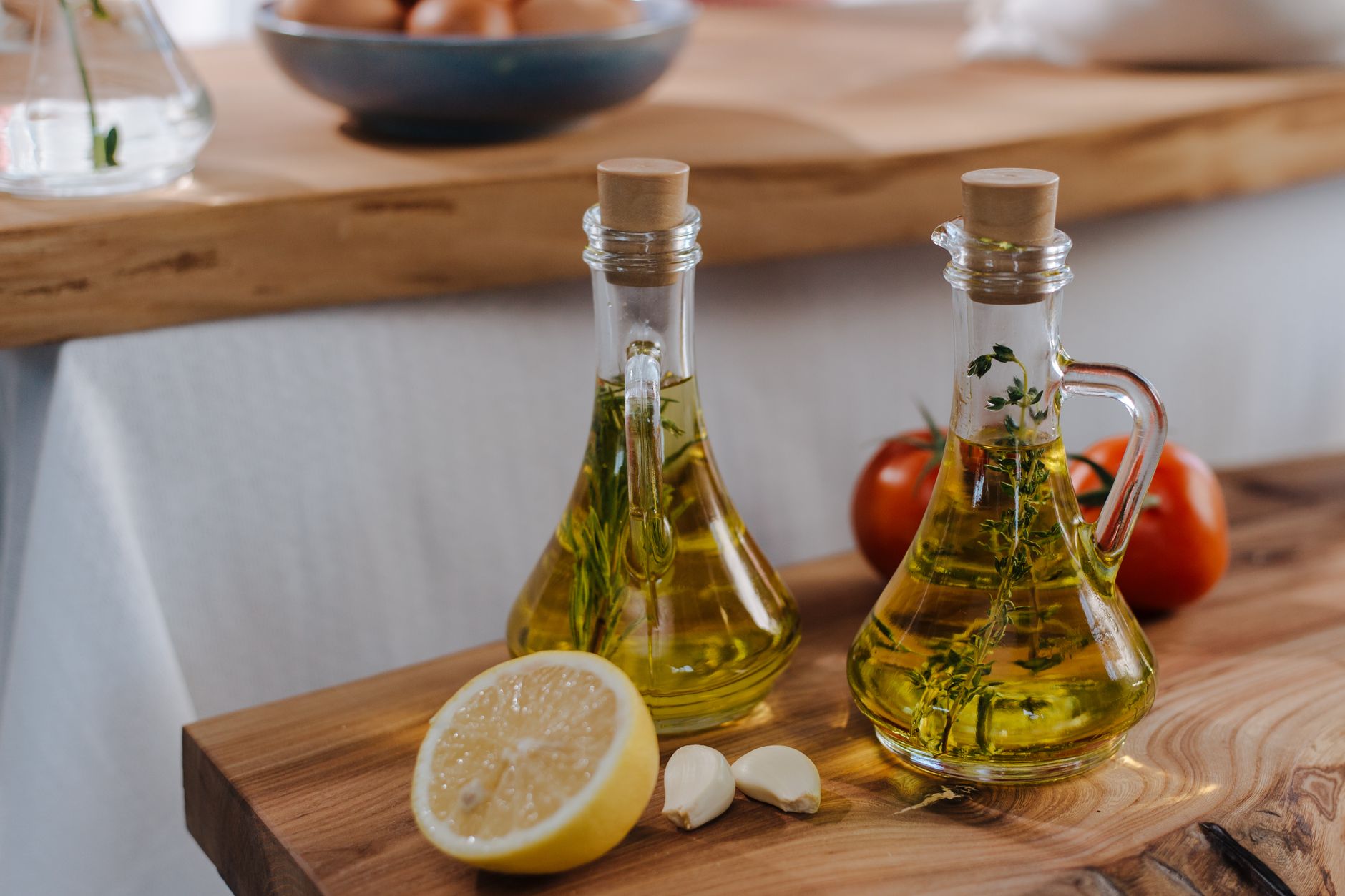
The Mediterranean diet is renowned not only for its delicious flavors and vibrant dishes but also for its emphasis on fresh, wholesome ingredients. At its core, it promotes heart-healthy eating and a balanced lifestyle, drawing on culinary traditions from countries bordering the Mediterranean Sea.
This diet encourages the consumption of whole foods, rich in nutrients, and low in processed ingredients. In this article, we will explore the various foods that fit into the Mediterranean diet, how they contribute to overall health, and practical tips for incorporating them into your daily meals.
What Foods Are On The Mediterranean Diet?
The Mediterranean diet comprises a wide variety of foods, emphasizing plant-based ingredients and healthy fats while minimizing processed foods and added sugars. Below is a breakdown of the primary food groups included in the Mediterranean diet.
Fruits and Vegetables
- Fruits: Fresh fruits are an essential part of the Mediterranean diet, providing vitamins, minerals, and antioxidants. Common options include oranges, apples, grapes, berries, and figs.
- Vegetables: A wide range of vegetables, particularly leafy greens, are encouraged. Some popular choices are spinach, kale, tomatoes, peppers, and cucumbers.
Incorporate fruits and vegetables in salads, as snacks, or in main dishes to enhance flavors and nutrient intake. Aim for a variety of colors to maximize the health benefits they offer.
Whole Grains
Whole grains are a fundamental component of the Mediterranean diet, delivering essential fiber, B vitamins, and minerals. Common whole grains include:
- Quinoa
- Bulgur
- Barley
- Farro
- Whole grain bread and pasta
These grains can be used as bases for salads, side dishes, or incorporated into soups for added texture and nutrition. They not only provide energy but also support digestive health.
Nuts and Seeds
Nuts and seeds are excellent sources of healthy fats, protein, and essential nutrients. Popular choices in the Mediterranean diet include:
- Almonds
- Walnuts
- Pistachios
- Chia seeds
- Flaxseeds
Enjoy nuts and seeds as snacks, toppings for yogurt or salads, or blended into pesto and sauces for added richness.
Legumes
Legumes are a vital source of plant-based protein and fiber in the Mediterranean diet. Key legumes include:
- Lentils
- Chickpeas
- Black beans
- White beans
Legumes can be added to soups, stews, and salads or blended into spreads like hummus, making them versatile and nutritious additions to meals.
Healthy Fats
One of the hallmarks of the Mediterranean diet is the use of healthy fats, primarily derived from olive oil. Other healthy fat sources include:
- Avocado
- Fatty fish (such as salmon and sardines)
- Nuts and seeds
Use olive oil as a dressing, for sautéing vegetables, or drizzling over dishes to enhance both flavor and health benefits.
Dairy Products
Dairy is consumed in moderation in the Mediterranean diet, with an emphasis on low-fat or fermented options. Key dairy foods include:
- Greek yogurt
- Feta cheese
- Ricotta cheese
Incorporate dairy into meals with yogurt in dressings and as toppings for fruit, or use cheese to add flavor to salads and baked dishes.
Herbs and Spices
Herbs and spices play a crucial role in flavoring Mediterranean dishes while offering health benefits without excess salt. Some commonly used herbs and spices are:
- Basil
- Oregano
- Rosemary
- Parsley
- Garlic
These can be used fresh or dried to season meats, vegetables, and sauces, enhancing flavors and providing a wealth of health-promoting properties.
Meat and Poultry
Meat and poultry are included in moderation, focusing on leaner cuts and healthier preparation methods. Popular options include:
- Chicken
- Turkey
- Lean cuts of beef or lamb
Choose cooking methods such as grilling or roasting over frying to maintain health benefits while providing satisfying flavors.
Fish and Seafood
Fish, especially fatty fish rich in omega-3 fatty acids, is a staple of the Mediterranean diet. Recommended fish include:
- Salmon
- Sardines
- Mackerel
- Trout
Include fish in meals two to three times per week, as they provide healthy fats and protein, contributing to heart health.
Moderation of Sweets and Processed Foods
While they are not entirely eliminated, sweets and processed foods are consumed sparingly in the Mediterranean diet. Occasionally indulging in:
- Dark chocolate
- Fruit-based desserts
- Baked goods
This approach balances pleasure and health, ensuring that treats are enjoyed in moderation.
How to Incorporate Mediterranean Foods Into Your Meals
Meal Planning Tips
When planning your meals, consider batch-cooking whole grains and legumes, as well as preparing large batches of vegetables to have ready for quick meals. Here are some meal planning tips to incorporate Mediterranean foods:
- Start with a base of whole grains in salads and bowls.
- Add a variety of colorful vegetables to enhance nutrition and flavor.
- Include a reliable source of protein from fish, poultry, or legumes.
- Use olive oil as a primary fat source for cooking and dressings.
- Snack on nuts, seeds, or fresh fruit to keep hunger in check.
Meal Prep Ideas
Prepare meals ahead of time by making versatile components that can be mixed and matched throughout the week. Suggestions include:
- Cook quinoa or brown rice as a base for salads and bowls.
- Roast a variety of vegetables for easy side dishes or salad toppings.
- Make a large batch of hummus or other bean dips for snacks.
- Grill or bake chicken or fish to use in sandwiches, salads, and main dishes.
Practical Ingredient Substitutions
When following the Mediterranean diet, you may find certain ingredient substitutions helpful. Here are some practical alternatives:
- Replace white rice with quinoa or brown rice for added nutritional benefits.
- Swap butter for olive oil in cooking and baking for healthier fats.
- Choose whole grain or legume-based pasta instead of traditional pasta.
- Substitute fresh herbs for dried herbs in recipes to brighten flavors.
Common Mistakes to Avoid
Transitioning to a Mediterranean diet can be overwhelming, but avoiding common pitfalls can help you stay on track:
- Don’t overdo it on processed foods; focus on whole ingredients.
- Be mindful of portion sizes, especially with high-calorie foods such as nuts and oils.
- Don’t hesitate to experiment, as Mediterranean cuisine encourages variety and creativity.
Storing and Reheating Mediterranean Foods
To maintain freshness and flavor, proper storage techniques are crucial:
- Store fresh fruits and vegetables in cool, dry places or in the refrigerator, as appropriate.
- Keep cooked grains, legumes, and meats in airtight containers in the refrigerator for up to four days.
- Reheat dishes gently in the microwave or on the stovetop to prevent overcooking.
Conclusion
The Mediterranean diet offers a delightful and nutritious way of eating that promotes health and wellness. By focusing on a variety of whole foods, healthy fats, and seasonal ingredients, you can create satisfying meals that are both delicious and beneficial. Embrace the colorful ingredients and bold flavors of this diet, and don’t hesitate to get creative in your kitchen.
For more insights into diet safety, check out whether the Mediterranean diet is safe. If you love making sauces, you might enjoy trying a pistachio pesto recipe to enhance your dishes.