
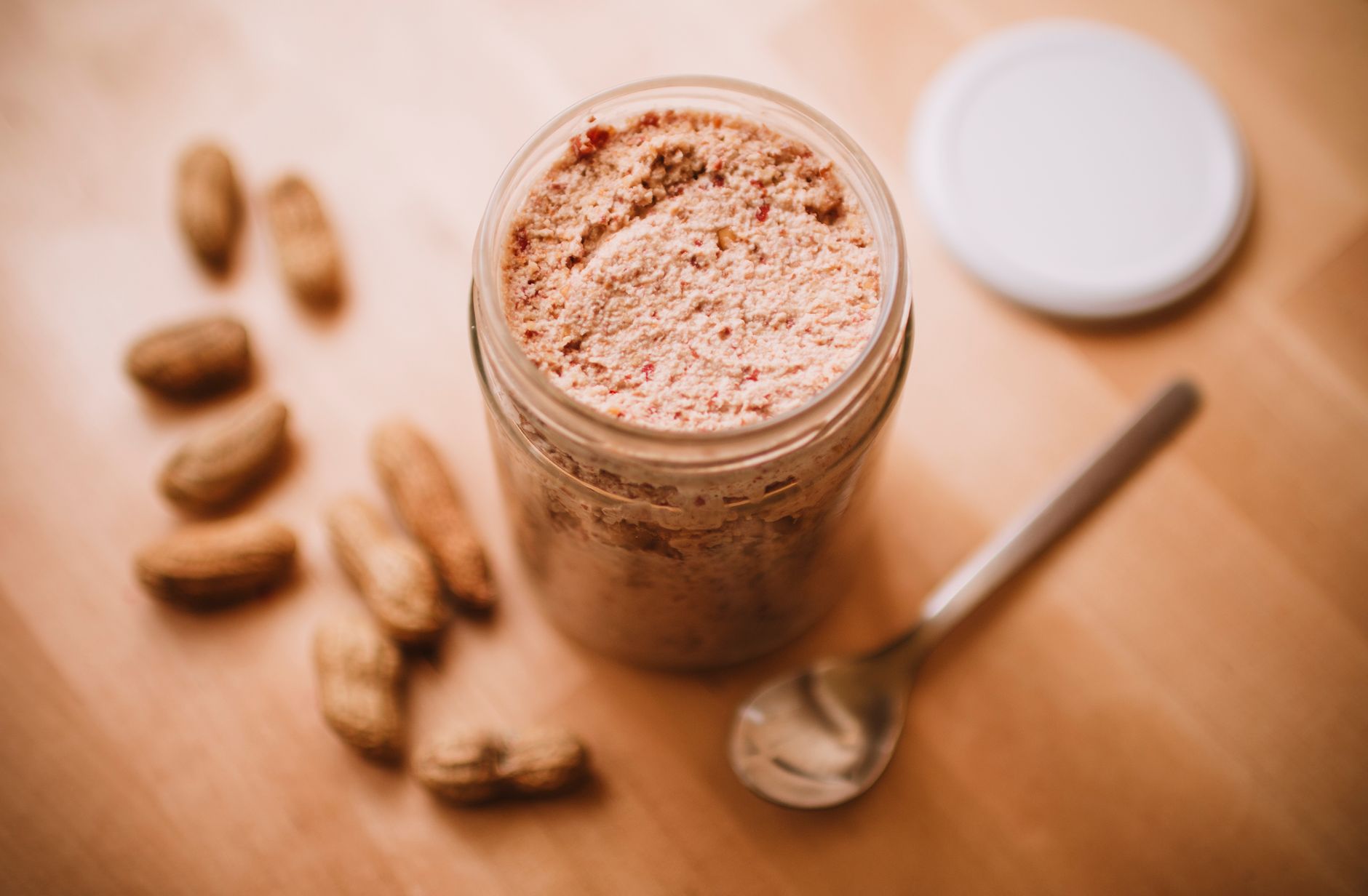
Peanut butter is a beloved spread known for its rich flavor and nutritional benefits. With various types available, selecting the healthiest option can be daunting. This article examines the best peanut butter varieties, their nutritional profiles, and how to incorporate them into your diet.
From the creamy smoothness of traditional peanut butter to the crunchy texture of specialty options, understanding what makes peanut butter healthy is essential. Each variety offers unique health benefits, making it critical to choose wisely based on your dietary needs and preferences.
What Is the Healthiest Peanut Butter to Eat?
The healthiest peanut butter to eat is one that contains minimal ingredients, primarily peanuts and possibly a small amount of salt. Opt for natural or organic brands to avoid added sugars and unhealthy fats, which can detract from nutrition. Furthermore, make sure to check for options with no hydrogenated oils.
The Nutritional Benefits of Peanut Butter
Peanut butter is packed with essential nutrients, making it not only tasty but also a good addition to a balanced diet. Here are some of the key nutrients found in peanut butter:
- Protein: Peanut butter provides a good source of plant-based protein, helping in muscle repair and growth.
- Healthy Fats: Rich in monounsaturated fats, it can support heart health and lower bad cholesterol levels.
- Vitamins and Minerals: Peanut butter contains important vitamins and minerals such as vitamin E, magnesium, potassium, and niacin.
- Fiber: The fiber content can aid in digestion and help maintain a feeling of fullness.
Types of Peanut Butter
When selecting peanut butter, it’s helpful to understand the various types available on the market:
- Natural Peanut Butter: This is made from ground peanuts and may contain salt. It has no added sugars or hydrogenated oils.
- Organic Peanut Butter: Similar to natural peanut butter but made from peanuts grown without pesticides or synthetic fertilizers.
- Creamy vs. Crunchy: Creamy peanut butter is smooth, while crunchy peanut butter includes bits of peanuts for texture. Both types can be healthy, depending on the ingredients.
- Flavored Peanut Butter: Some brands offer flavored varieties, such as honey or chocolate. Be cautious, as these may contain added sugars.
Ingredients to Look For
When choosing peanut butter, pay attention to the ingredient list. Here are some points to consider:
- Peanuts: The primary ingredient should be peanuts, with as few additives as possible.
- Salt: A small amount of salt can enhance flavor; however, if you are monitoring your sodium intake, opt for unsalted varieties.
- Avoid Added Sugars: Many commercial peanut butter brands add sugars, which can increase the calorie count without providing additional nutrients.
- No Hydrogenated Oils: These oils can create trans fats, which are harmful to heart health. Check labels to ensure no hydrogenated oils are used.
Popular Brands of Healthy Peanut Butter
Here are some popular brands that offer healthier peanut butter options without harmful additives:
- Smucker’s Natural Peanut Butter: Made from just peanuts and a bit of salt, this is a widely available and healthy option.
- Justin’s Nut Butter: Known for its premium quality, they offer both creamy and crunchy varieties, often using organic peanuts.
- Crazy Richard’s Peanut Butter: Made from 100% peanuts with no salt or sugar added, this option focuses on purity.
- Wild Friends: This brand offers a range of peanut butters, including unique flavors with high-quality ingredients.
How to Incorporate Peanut Butter into Your Diet
Peanut butter is versatile and can be added to various meals and snacks. Here are some delicious ways to enjoy it:
- Spread on Whole Grain Toast: Pairing peanut butter with whole grain bread makes for a satisfying breakfast or snack.
- In Smoothies: Add a spoonful of peanut butter to your morning smoothie for added protein and creaminess.
- With Fruits and Vegetables: Slice apples or celery and dip them into peanut butter for a nutritious snack, balancing healthy fats with fiber and vitamins.
- Baking: Use peanut butter as an ingredient in healthier baking recipes, such as peanut butter cookies or bars, to enhance flavor and add nutrition.
Common Mistakes When Choosing Peanut Butter
To maximize health benefits, it’s important to avoid these common mistakes when selecting peanut butter:
- Choosing Low-Fat Options: Low-fat peanut butter often contains added sugars and fillers that can diminish overall health benefits.
- Ignoring Portion Sizes: Peanut butter is calorie-dense; keeping track of portion sizes is crucial to avoid excess calorie intake.
- Believing All Peanut Butters Are Equal: Not all peanut butters are created equal; always read the label to ensure you are making a healthy choice.
Peanut Butter Myths: Debunking Misconceptions
Peanut butter carries a few misconceptions that may deter some from enjoying it:
- Myth 1: Peanut Butter Makes You Gain Weight: While high in calories, peanut butter can be part of a balanced diet when consumed in moderation.
- Myth 2: All Peanut Butter Contains Added Sugars: Many brands offer unsweetened options; it is essential to check the labels.
- Myth 3: Peanut Butter Is Unhealthy: When chosen wisely, peanut butter can offer numerous health benefits, including heart health and essential nutrients.
Storage Tips for Peanut Butter
Proper storage can extend the shelf life of your peanut butter:
- Keep it Sealed: Always store peanut butter in a tightly sealed container to maintain freshness.
- Refrigeration: Natural and organic varieties may benefit from refrigeration to prevent oil separation and extend their shelf life.
- Check Expiration Dates: Regularly verify the expiration dates and consume older jars first to ensure optimal taste.
Peanut Butter Recipes to Try
Here are some healthy recipes using peanut butter that can be incorporated into your diet:
Peanut Butter Banana Smoothie
- Ingredients:
- 1 banana
- 2 tablespoons peanut butter
- 1 cup almond milk (or milk of choice)
- 1 tablespoon honey or maple syrup (optional)
- Ice cubes (optional)
- Combine all ingredients in a blender and blend until smooth.
- Adjust sweetness, if desired, by adding honey or syrup.
- Serve immediately in a glass.
Peanut Butter Energy Bites
- Ingredients:
- 1 cup oats
- 1/2 cup peanut butter
- 1/4 cup honey
- 1/4 cup mini chocolate chips
- 1/4 cup flax seeds (optional)
- Combine all ingredients in a bowl until mixed well.
- Roll into small balls and place on a baking sheet.
- Chill in the refrigerator for about 30 minutes before serving.
Final Thoughts
Choosing the healthiest peanut butter involves selecting varieties with simple, nutritious ingredients that support your dietary preferences. Focus on options with minimal additives, such as natural or organic peanut butter, for the best health benefits.
Add peanut butter to your diet in moderation, and explore its versatility in meals and snacks. The enjoyment and health benefits of peanut butter can be part of a balanced diet when chosen wisely.
For more delicious treats, consider trying our peanut butter fudge recipe or a refreshing chia pudding recipe made with coconut milk.