
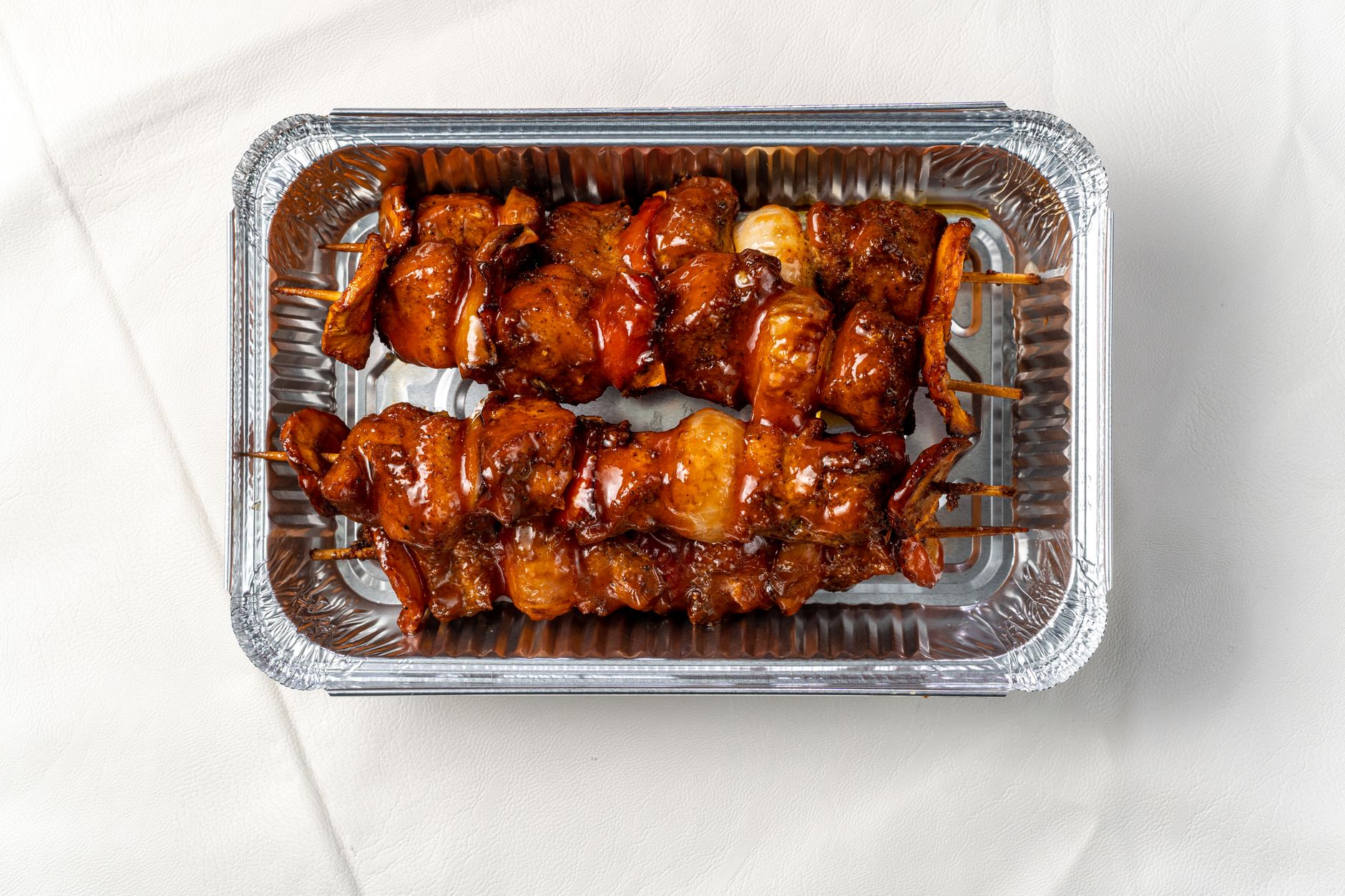
Kabobs are a delightful culinary creation that originates from various cuisines around the world, representing a fun and flavorful way to enjoy grilled meats and vegetables. While many associate kabobs with outdoor barbecuing, cooking them in the oven is not only possible but can yield delicious results. This method is especially useful during colder months or when access to a grill is limited.
This guide will explore how to cook kabobs in the oven, complete with preparation tips, ingredient suggestions, cooking techniques, and serving ideas. Serve these flavorful skewers as an appetizer, a main course, or even as part of a festive gathering.
Can You Cook Kabobs in the Oven?
Yes, you can cook kabobs in the oven! Using an oven allows for a more controlled cooking environment, minimizing the chances of overcooked or undercooked meat. You can achieve tender, juicy kabobs with the right ingredients and methods.
What Makes Kabobs So Appealing?
Kabobs are versatile, allowing for a wide range of flavors, textures, and ingredients. They are typically made by threading marinated meats and various vegetables onto skewers before grilling or baking. The combination of marinades infuses the proteins with flavor, while the vegetables add crunch and freshness.
Common Ingredients Used in Kabobs
- Meats: Chicken, beef, lamb, shrimp, or pork
- Vegetables: Bell peppers, onions, cherry tomatoes, zucchini, mushrooms
- Marinades: Olive oil, yogurt, vinegar, or specialty sauces
- Seasonings: Garlic, herbs, spices, salt, and pepper
Preparing Kabobs for the Oven
Before diving into the cooking process, gathering the right equipment and ingredients is crucial for a successful kabob experience.
Essential Equipment
- Skewers (wooden or metal)
- Baking sheet or tray
- Aluminum foil (optional)
- Mixing bowls for marinades
- Food thermometer
Ingredients
- 1 lb (450g) of chicken breast, cut into 1-inch pieces
- 1 bell pepper, cut into 1-inch squares
- 1 medium onion, cut into wedges
- 1 zucchini, sliced
- 1 cup cherry tomatoes
- 1/4 cup olive oil
- 2 tablespoons soy sauce
- 1 tablespoon lemon juice
- 2 cloves garlic, minced
- 1 teaspoon dried oregano
- Salt and pepper to taste
Preparing the Marinade
A good marinade is crucial for flavorful kabobs. Here is a simple marinade recipe:
- In a mixing bowl, combine olive oil, soy sauce, lemon juice, minced garlic, oregano, salt, and pepper.
- Add the chicken pieces and toss until fully coated.
- Cover the bowl and let the chicken marinate in the refrigerator for at least 30 minutes or up to 4 hours for maximum flavor.
How to Assemble Kabobs
Once the chicken is marinated, it’s time to assemble the kabobs. This is where you can get creative with the arrangement of ingredients.
- If using wooden skewers, soak them in water for 30 minutes to prevent burning during cooking.
- Start threading the chicken onto skewers, followed by a piece of bell pepper, onion, zucchini, and cherry tomato. Alternate ingredients for a colorful presentation.
- Continue until all the ingredients are used up, leaving a little space between each piece for even cooking.
Cooking Kabobs in the Oven
Cooking kabobs in the oven is straightforward. Here’s how to do it effectively.
Oven Settings
Preheat the oven to 400°F (200°C). This temperature allows the ingredients to cook evenly and develop a nice caramelization.
Baking the Kabobs
- Line a baking sheet with aluminum foil for easy cleanup, if desired.
- Place the assembled kebabs on the baking sheet in a single layer, ensuring they do not touch.
- Bake in the preheated oven for about 15-20 minutes, turning them halfway through. Ensure they reach an internal temperature of 165°F (74°C) for chicken.
- Broil on high for the last 2-3 minutes for added caramelization and a charred look.
Serving Suggestions for Kabobs
After cooking, kabobs can be served in various ways to enhance their appeal.
Accompaniments
- Serve kabobs with rice or couscous for a complete meal.
- Pair with a side salad, such as a tabbouleh or Greek salad, to add freshness.
- Offer dipping sauces like tzatziki, garlic yogurt, or chimichurri on the side.
Presentation Tips
For a visually appealing presentation, serve the kabobs on a large platter. Garnish with fresh herbs, lemon wedges, or a drizzle of balsamic glaze to elevate the dish.
Variations and Substitutions
While traditionally made with chicken, kabobs can easily accommodate various ingredients to suit personal preferences or dietary needs.
Protein Substitutions
- Beef: Use cubed sirloin or flank steak, marinating for at least 2 hours for tenderness.
- Lamb: Perfect for Mediterranean flavors; marinate with mint and yogurt.
- Shrimp: Use peeled and deveined shrimp; reduce cooking time to 8-10 minutes.
- Vegetarian options: Tofu, halloumi cheese, or tempeh can replace meat and are delicious when marinated and grilled.
Vegetable Options
Feel free to mix and match the vegetables according to what’s in season or what you enjoy:
- Asparagus, cut into bite-sized pieces
- Eggplant, cubed
- Cherry or grape tomatoes for a sweet burst
- Mixed bell peppers for color and flavor
Common Mistakes and Troubleshooting
Cooking kabobs in the oven can seem straightforward, but there are pitfalls to avoid. Here are some common mistakes and how to troubleshoot them.
- Overcrowding the Skewers: Avoid loading too many ingredients onto each skewer, which can lead to uneven cooking.
- Not Preheating the Oven: Skipping this step can lead to longer cooking times and potential dryness of the meat. Always preheat the oven before cooking.
- Ignoring Internal Temperatures: Use a food thermometer to ensure proteins are cooked through. Chicken should reach 165°F (74°C), while beef can be tailored to personal preferences.
Make-Ahead Tips
One of the best aspects of kabobs is that they can be prepared in advance.
- Marinate the meats the night before for deeper flavors.
- Assemble the kabobs and refrigerate them covered until ready to bake.
- Cooked kabobs can be stored in an airtight container in the refrigerator for up to three days.
Storage and Reheating Guidance
If you have leftover kabobs, you can store them easily.
- Place leftover kabobs in an airtight container and refrigerate. Consume within three days.
- For reheating, preheat the oven to 350°F (175°C) and bake for 10-15 minutes or until heated thoroughly.
Conclusion
Cooking kabobs in the oven is not only a practical solution but also delivers satisfying and delicious results. With various ingredients and flavors at your disposal, you can invigorate family dinners or impress guests at gatherings. So next time you are considering if you can cook kabobs in the oven, rest assured that they will be a delectable addition to your meal plans.
For further culinary inspiration, check out our recipes for BBQ ribs in the oven or baked pork chops, which can be perfect complements to your kabob meal.