
Experiencing your menstrual period can feel physically and emotionally taxing. Choosing the right foods during this time can help alleviate discomfort, boost energy levels, and keep mood swings in check. In this guide, we’ll explore various nutrient-rich foods that can benefit you during your period, along with practical meal ideas and snacks.
Understanding what to eat during your menstrual cycle can be an act of self-care and wellness. Certain foods can help manage symptoms like bloating, cramps, and fatigue. Let’s dive into what are good foods to eat on your period and how they can make a difference.
What Are Good Foods to Eat on Your Period?
Good foods to eat on your period include those that are rich in iron, omega-3 fatty acids, antioxidants, and hydration. Leafy greens, nuts, fatty fish, fruits, and whole grains provide the essential nutrients that support your body while menstruating. Incorporating these foods can help reduce cramps, fatigue, and mood swings.
Key Nutrients to Consider
To better understand why certain foods are helpful during your period, it’s beneficial to look at key nutrients and their roles:
- Iron: Menstruation can lead to a loss of iron, which may cause fatigue. Foods rich in iron include spinach, lentils, and red meat.
- Omega-3 Fatty Acids: These healthy fats can reduce inflammation and cramps. Foods like salmon, walnuts, and flaxseeds are great sources.
- Magnesium: Helps to regulate mood and may alleviate cramps. Found in almonds, dark chocolate, and avocados.
- Fiber: Aids digestion and helps regulate blood sugar levels. Whole grains, fruits, and vegetables are fantastic sources.
- Antioxidants: Combat oxidative stress and inflammation. Berries, nuts, and dark chocolate provide a good dose.
Foods to Include
1. Leafy Greens
Leafy greens like spinach, kale, and Swiss chard are rich in iron and magnesium, vital for replenishing minerals lost during menstruation. Here’s how to include them:
- Add spinach to smoothies for a nutrient-packed breakfast.
- Create a kale salad with a lemon dressing as a refreshing side dish.
- Incorporate Swiss chard into soups or omelets for additional flavor and nutrients.
2. Fatty Fish
Fatty fish like salmon and mackerel are high in omega-3 fatty acids which can help reduce inflammation and menstrual pain. Try these meal ideas:
- Grill or bake salmon with herbs and spices for a flavorful dinner.
- Make a mackerel salad mixed with whole grains and vegetables.
- Add salmon to pasta dishes or as a topping for grains like quinoa.
3. Nuts and Seeds
Nuts and seeds provide essential fatty acids as well as magnesium which can ease muscle tension. Consider these options:
- Snack on a handful of almonds or walnuts for a quick energy boost.
- Add flaxseeds to yogurt or smoothies for added fiber.
- Use chia seeds to make a pudding or add to oatmeal for breakfast.
4. Dark Chocolate
Dark chocolate is not just a delicious treat but it is also packed with magnesium and antioxidants. Ways to enjoy dark chocolate include:
- Indulge in a square of high-percentage dark chocolate for a quick mood booster.
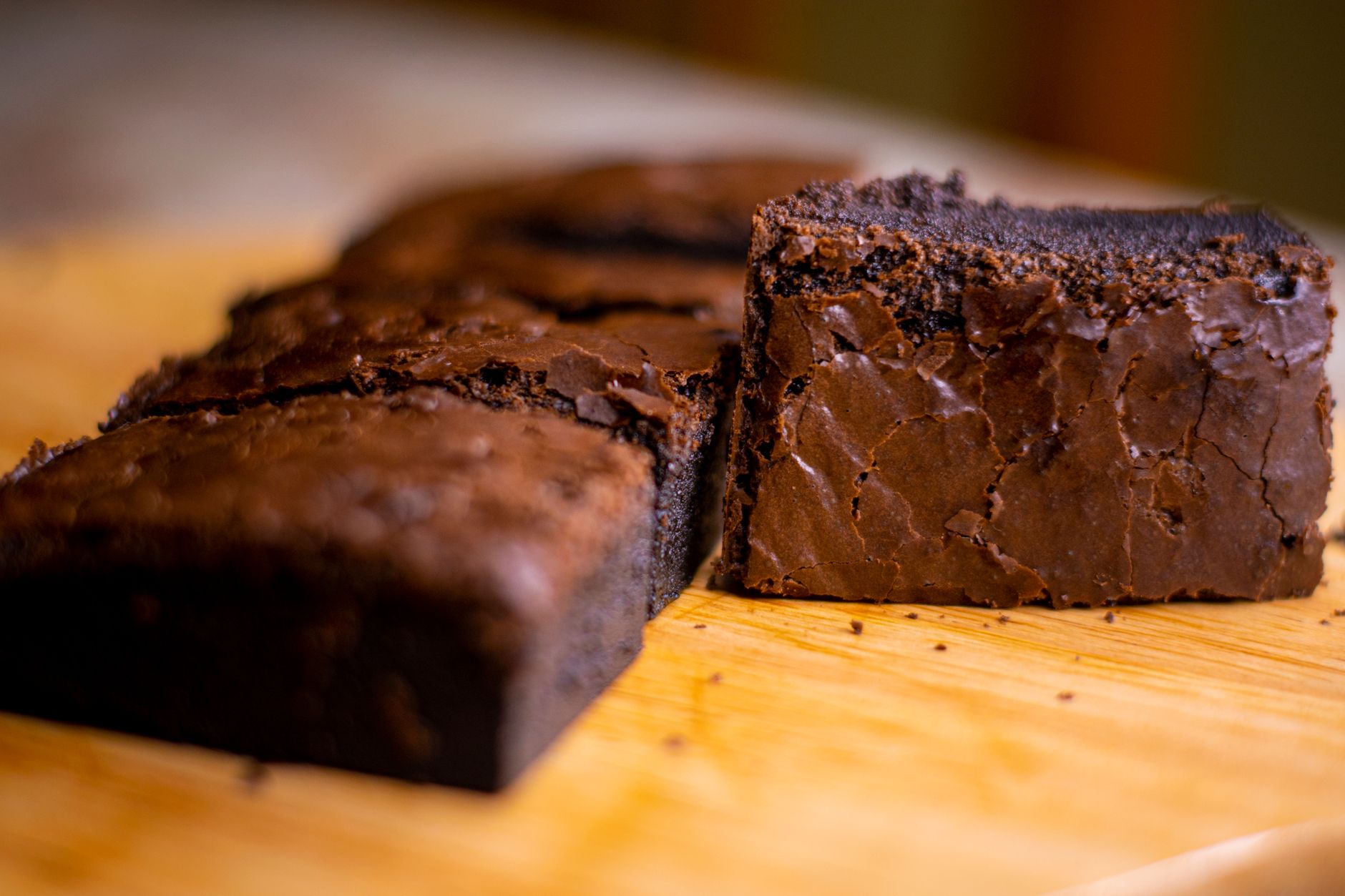
- Use dark chocolate chips in baked goods like cookies or brownies.
- Mix cocoa powder into smoothies or oatmeal for a chocolaty flavor.
5. Whole Grains
Whole grains like brown rice, oats, and quinoa can help stabilize blood sugar levels, providing lasting energy. Here’s how to incorporate them into your meals:
- Start your day with oatmeal topped with fruits and nuts.
- Make a quinoa salad with vegetables and a light dressing for lunch.
- Serve brown rice as a side dish to accompany your protein sources.
6. Fruits
Fruits are high in antioxidants, vitamins, and water content, which help keep you hydrated. Here are some fruits to focus on:
- Berries (like strawberries, blueberries, and raspberries) can be added to yogurt or salads.
- Bananas are a potassium-rich option that can help with bloating.
- Oranges or other citrus fruits provide hydration and vitamin C.
7. Herbal Teas
Herbal teas have soothing properties that may help alleviate cramps and promote relaxation. Consider these herbal options:
- Ginger tea can reduce inflammation and discomfort.
- Chamomile tea is known for its calming effects and may help alleviate anxiety.
- Peppermint tea can soothe digestive issues, often common during menstruation.
Foods to Avoid
Just as important as knowing what to eat is knowing what to avoid. Here’s a list of foods that some find may exacerbate menstrual symptoms:
- Processed Foods: These can be high in salt and sugar, leading to bloating and irritability.
- Caffeine: Coffee and energy drinks can increase anxiety and disrupt sleep.
- Alcohol: Can worsen cramps and lead to dehydration.
- Sugary Snacks: While they may provide a quick boost, they can lead to energy crashes and mood swings.
Sample Meal Plan
Putting together a meal plan can be an effective way to ensure you’re including beneficial foods throughout your period. Here’s a one-day sample meal plan:
| Meal | Foods |
|---|---|
| Breakfast | Oatmeal topped with sliced bananas and walnuts, served with a side of green tea. |
| Snack | Greek yogurt with honey and mixed berries. |
| Lunch | Quinoa salad with spinach, chickpeas, cucumbers, and cherry tomatoes, drizzled with olive oil. |
| Snack | A small handful of dark chocolate-covered almonds. |
| Dinner | Baked salmon served with steamed broccoli and brown rice. |
| Evening Snack | A cup of chamomile tea, alongside a square of dark chocolate. |
Tips for Eating Well During Your Period
Here are some practical tips to make healthy eating during your period even easier:
- Stay Hydrated: Drink plenty of water throughout the day to avoid bloating and fatigue.
- Plan Meals Ahead: Consider prepping meals in advance to avoid unhealthy snacking.
- Listen to Your Body: Pay attention to cravings and mood changes; they can help you identify what nutrients you may need.
- Prioritize Comfort Foods: If you find comfort in certain foods, create healthy versions of them to keep your mood lifted.
Common Mistakes to Avoid
When trying to eat healthily during your period, watch out for these common pitfalls:
- Overlooking the importance of hydration can lead to fatigue and cramping.
- Focusing too much on eliminating all cravings can lead to binge eating later.
- Not including a variety of foods can result in nutrient deficiencies.
Make-Ahead and Storage Tips
Batch cooking can save time and ensure you have healthy meals ready to go:
- Prepare and store quinoa or brown rice in the fridge for a quick base for meals.
- Make energy bites with nuts, seeds, and oats for easy, nutritious snacks.
- Keep pre-washed and cut veggies in the fridge for convenient snacking or salad additions.
During your period, being mindful of what you eat can help improve your overall experience. Remember to listen to your body cues and adjust your diet accordingly. Choosing the right foods, staying hydrated, and planning meals ahead of time can pave the way for a smoother menstrual cycle.
For a delicious no-cook option, consider trying a chia pudding with coconut milk that’s both nutritious and easy to prepare. Check out this chia pudding recipe for inspiration. Additionally, read about the benefits of chia seeds for more information on boosting your nutrient intake during this time.