
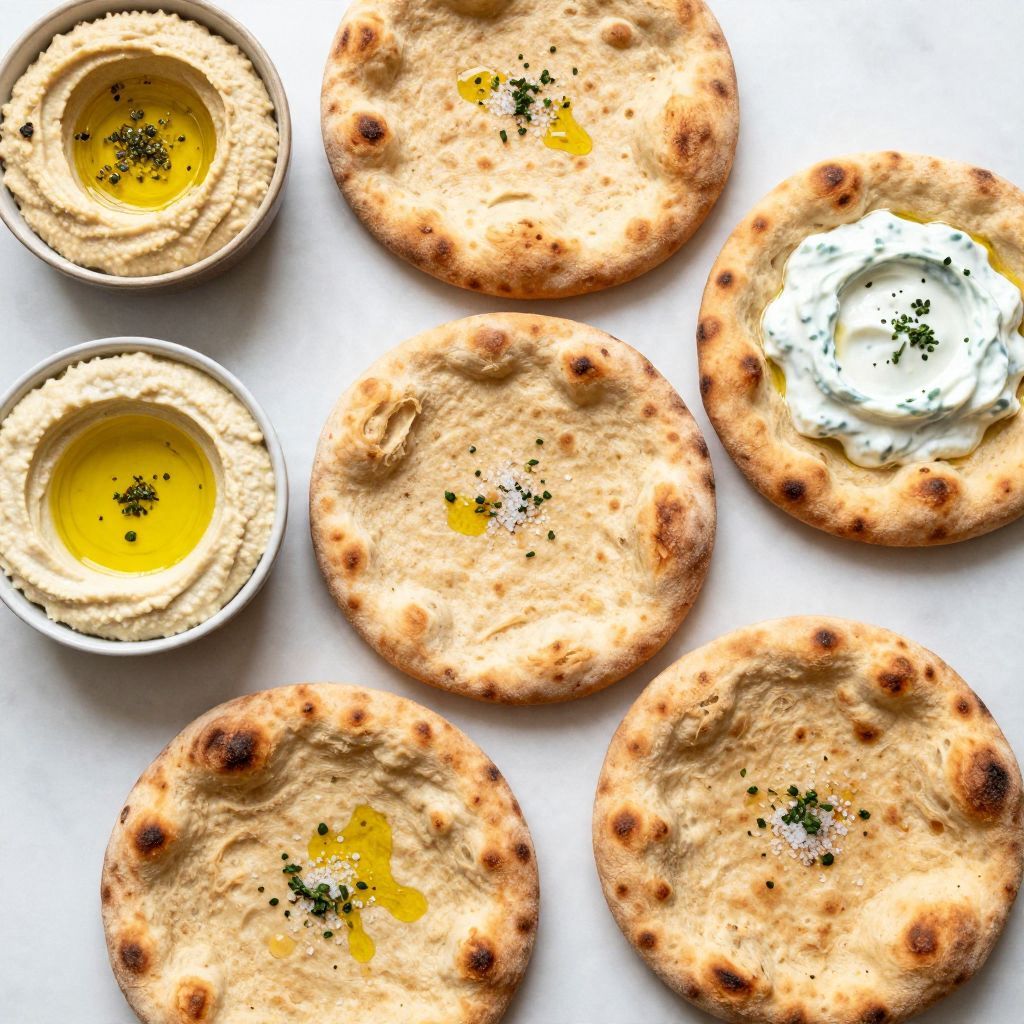
There’s something magical about the smell of freshly baked bread wafting through the kitchen, isn’t there? The Flat Bread Dough Recipe is not just a quick fix; it’s a versatile base that can elevate any meal, from wraps to pizzas, with its delightful texture and flavor.
Why You’ll Love This Recipe
This recipe is a lifesaver for busy cooks looking for something easy yet delicious.
- Quick to prepare and requires minimal ingredients.
- Perfect for various toppings or fillings.
- Soft and chewy with a hint of crispiness.
- Great for meal prep or spontaneous gatherings.
- Customizable for different dietary needs.
My Experience Making This Recipe
When I first tried making flatbread, I was amazed at how simple it was. The dough came together quickly, and before I knew it, I was savoring warm, homemade flatbreads.
Each bite was a reminder of why I love cooking; the texture was just right, and the flavor was surprisingly rich. I served them at dinner, and they vanished faster than I could say “homemade.”
Recipe Overview
- Recipe Name: Flat Bread Dough
- Servings: 4
- Prep Time: 15 minutes
- Cook Time: 10 minutes
- Total Time: 25 minutes
- Course: Bread
- Cuisine: Various
- Calories per Serving: 150
Equipment You Will Need
- Mixing bowl
- Rolling pin
- Non-stick skillet or griddle
- Measuring cups and spoons
- Clean kitchen surface for rolling
Ingredients for Flat Bread Dough
- 2 cups all-purpose flour
- 1 teaspoon salt
- 1 teaspoon baking powder
- 3/4 cup warm water
- 2 tablespoons olive oil
Ingredient Notes and Substitutions
- All-purpose flour: Provides the right texture. You can use whole wheat flour for a healthier option.
- Salt: Enhances flavor. Sea salt or kosher salt can be used instead.
- Baking powder: Helps the dough rise slightly. You can omit it for a denser bread.
- Warm water: Activates the baking powder. Use room temperature water if you prefer.
- Olive oil: Adds richness. Any neutral oil, like vegetable oil, works as well.
How to Make Flat Bread Dough
Step 1: Combine Dry Ingredients
In a large mixing bowl, whisk together the flour, salt, and baking powder. This ensures an even distribution of all dry ingredients, which is key for consistent flavor.
Step 2: Add Wet Ingredients
Make a well in the center of the dry mixture and pour in the warm water and olive oil. This helps to hydrate the flour evenly, leading to a soft dough.
Step 3: Mix the Dough
Using a fork or your hands, mix until a rough dough forms. Don’t worry about lumps; they will smooth out as you knead.
Step 4: Knead the Dough
Turn the dough onto a floured surface and knead for about 5 minutes until smooth. Kneading develops gluten, giving the bread its chewy texture.
Step 5: Rest the Dough
Cover the dough with a clean kitchen towel and let it rest for 10-15 minutes. This relaxes the gluten and makes rolling easier.
Step 6: Preheat the Skillet
While the dough rests, heat a non-stick skillet or griddle over medium heat. A hot surface helps achieve a nice golden-brown color.
Step 7: Roll Out the Dough
Divide the dough into four equal portions. Roll each portion into a thin circle about 1/8 inch thick. The thinner the dough, the crispier the flatbread will be.
Step 8: Cook the Flatbreads
Cook each flatbread in the preheated skillet for 1-2 minutes on each side until puffed and lightly browned. This quick cooking keeps the bread soft and prevents it from becoming tough.
Pro Tip: For extra flavor, brush the cooked flatbreads with melted garlic butter!
Tips for the Best Flat Bread Dough
- Use warm water instead of hot; it helps with dough elasticity.
- Don’t skip the resting time; it makes rolling much easier.
- Experiment with herbs in the dough for added flavor.
- Keep the skillet at medium heat; too hot can burn the bread.
- Store leftover dough in the fridge for up to 2 days for fresh flatbreads later.
Common Mistakes to Avoid
- Not measuring flour correctly can lead to dry dough. Always spoon flour into a measuring cup.
- Over-kneading can make the flatbread tough. Knead just until smooth.
- Rolling the dough too thick results in a chewy texture. Aim for thin circles.
- Skipping the resting period can make the dough hard to roll. Relaxation is key.
Serving Suggestions
These flatbreads are perfect warm, and they pair beautifully with various dishes.
- Serve with hummus or tzatziki for dipping.
- Use them as a base for mini pizzas.
- Wrap around grilled meats or veggies for a tasty sandwich.
- Top with your favorite spreads for a quick appetizer.
Variations to Try
- Add herbs like rosemary or thyme for a fragrant twist.
- Incorporate whole wheat flour for a nuttier flavor and denser texture.
- Mix in garlic powder for an aromatic kick.
- Try adding cheese directly into the dough for cheesy flatbreads.
Dietary Adaptations
- Gluten-free: Substitute all-purpose flour with a gluten-free blend.
- Dairy-free: This recipe is already dairy-free, so you’re good to go.
- Vegan: No eggs or dairy used, making it entirely vegan-friendly.
- Low-carb/keto: Use almond flour or coconut flour for a low-carb option.
Storage and Reheating
Refrigerator
Store any leftover flatbreads in an airtight container in the fridge for up to 3 days.
- Layer parchment paper between flatbreads to prevent sticking.
Freezer
To freeze, lay flatbreads in a single layer on a baking sheet, then transfer to a freezer bag once frozen.
- They can be stored for up to 3 months.
Reheating
Reheat flatbreads in a skillet over medium heat for 1-2 minutes per side.
- Alternatively, warm them in the oven at 350°F for 5-7 minutes.
Nutrition Information
| Nutrient | Amount |
|---|---|
| Calories | 150 |
| Total Fat | 6g |
| Saturated Fat | 1g |
| Carbohydrates | 21g |
| Fiber | 1g |
| Sugar | 0g |
| Protein | 4g |
| Sodium | 300mg |
| Cholesterol | 0mg |
This nutrition information is an estimate and can vary based on specific ingredients used.
Frequently Asked Questions
Can I make this dough ahead of time?
Yes, you can prepare the dough and refrigerate it for up to 2 days before using.
What if my dough is too sticky?
If the dough feels sticky, sprinkle in a bit more flour until it reaches the desired consistency.
Can I use whole wheat flour?
Absolutely, whole wheat flour works well and adds a nutty flavor to the flatbreads.
How do I store leftover flatbreads?
Store them in an airtight container in the fridge for up to 3 days.
What can I use instead of olive oil?
You can substitute olive oil with any neutral oil, such as vegetable or canola oil.
Final Thoughts
Making your own flatbread dough is simpler than you might think, and the results are always rewarding. I encourage you to give this recipe a try and enjoy the deliciousness of homemade bread.
For more delightful bread recipes, check out this fry bread recipe or explore the flavors in this sourdough naan recipe.