
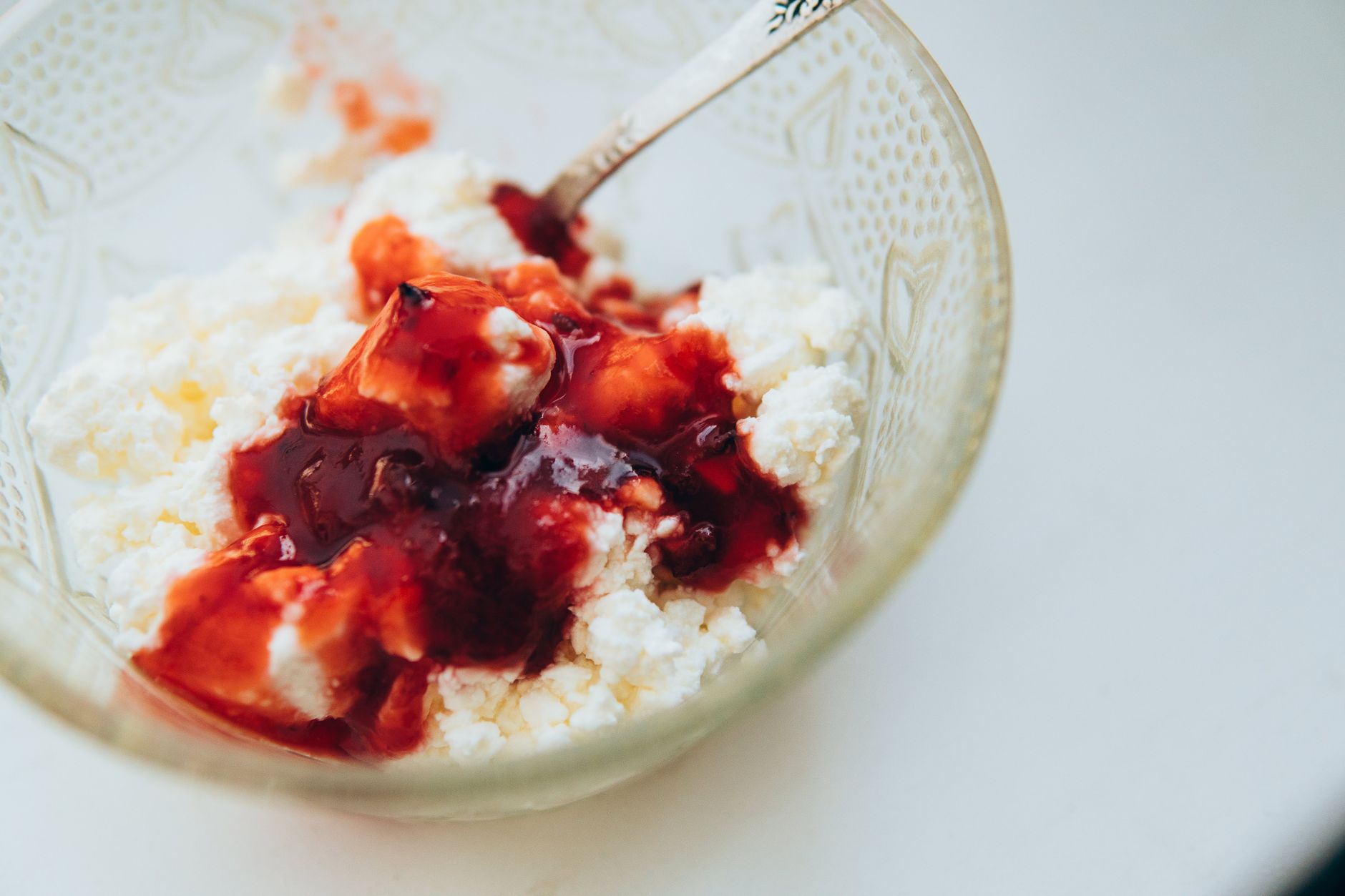
Cottage cheese is a versatile dairy product known for its creamy texture and mild flavor. Often praised for its nutritional profile, it serves as a fantastic ingredient in various dishes or a healthy stand-alone snack. Understanding how healthy cottage cheese truly is can help you incorporate it into your diet effectively.
This article will explore the health benefits, nutritional content, suitable portion sizes, and ways to enjoy cottage cheese in your meals. With this knowledge, you’ll be better equipped to utilize cottage cheese to enhance your overall diet.
How Healthy Is Cottage Cheese?
Cottage cheese is considered a very healthy food option. It is low in fat and calories while being high in protein, calcium, and other vital nutrients. This combination makes it an excellent choice for weight management, muscle building, and promoting bone health.
Nutritional Content of Cottage Cheese
Cottage cheese is primarily made from curds of milk, making its nutritional profile robust. The exact nutritional values can differ based on the type (low-fat, full-fat, or non-fat) and brand; however, a typical serving of 1 cup (approximately 226 grams) of low-fat cottage cheese offers:
- Calories: 206
- Protein: 28 grams
- Fat: 10 grams
- Carbohydrates: 6 grams
- Calcium: 18% of the Daily Value (DV)
- Sodium: 918 milligrams
- Phosphorus: 25% of the DV
- Vitamin B12: 22% of the DV
Health Benefits of Cottage Cheese
Cottage cheese’s unique composition provides several health benefits that can enhance your diet:
High in Protein
Cottage cheese is exceptionally high in protein, making it an excellent food choice for muscle repair and growth. High-protein foods can be particularly beneficial for those looking to lose weight, as they promote feelings of fullness and satisfaction.
Low in Calories
Being low in calories yet high in nutritional value, cottage cheese can be included in weight loss diets without exceeding daily calorie limits. It offers a substantial volume of food without the additional calories found in many snacks.
Rich in Calcium
Calcium is crucial for maintaining strong bones and teeth. Cottage cheese provides a solid portion of the recommended daily intake, contributing to overall bone health.
Promotes Digestive Health
Cottage cheese contains probiotics, beneficial bacteria that can support gut health and digestion. Having a healthy gut flora is vital for overall health.
Versatile Ingredient
Cottage cheese can be incorporated into various dishes, from savory to sweet. It serves as an excellent base for many recipes, allowing you to enjoy its health benefits in different flavors.
Portion Sizes and Serving Suggestions
Portion size can significantly influence how healthy cottage cheese is for you. Generally, a serving of half a cup (about 113 grams) is recommended, especially if you integrate it into meals or snacks.
Ways to Include Cottage Cheese in Your Meals
If you are unsure how to incorporate cottage cheese into your diet, here are some suggestions:
- Snacks: Top cottage cheese with fruits like berries, pineapple, or peaches for a nutritious snack or dessert.
- Breakfast: Stir cottage cheese into oatmeal or yogurt for an extra protein boost.
- In Salads: Use cottage cheese as a protein source in salads for added creaminess.
- In Smoothies: Blend with fruits and vegetables to create a protein-packed smoothie.
- In Cooking: Substitute cottage cheese for cream cheese or ricotta in recipes for pasta, dips, and baked goods.
Potential Drawbacks of Cottage Cheese
While cottage cheese is nutritious, some considerations should be noted:
Sodium Content
Cottage cheese can be relatively high in sodium, especially in flavored varieties. This can be a concern for individuals monitoring their salt intake due to hypertension or cardiovascular issues. Always check the labels and consider rinsing cottage cheese under water to reduce sodium content.
Allergic Reactions
For those with a dairy allergy or lactose intolerance, traditional cottage cheese may not be suitable. However, lactose-free varieties are available for those sensitive to lactose.
How to Choose the Right Cottage Cheese
When selecting cottage cheese, it is essential to consider a few factors that can impact its healthfulness:
- Fat Content: Low-fat and non-fat options generally contain fewer calories and saturated fats, but full-fat varieties can be more satisfying.
- Ingredients: Look for cottage cheese with minimal additives or preservatives. Simple ingredients often indicate a healthier product.
- Flavor vs. Plain: Plain cottage cheese is versatile and allows for customization, while flavored varieties often contain added sugars. Choose based on your taste preference and health goals.
Cooking with Cottage Cheese: Tips and Techniques
Incorporating cottage cheese into cooking expands its use beyond the typical snack or side dish. Here are some methods to ensure you achieve the desired flavor and texture:
Using Cottage Cheese in Baking
Cottage cheese can add moisture and protein to baked goods. Here’s how to do it:
- Muffins and Pancakes: Replace part of the oil or fat with cottage cheese for a moist texture and added protein.
- Cheesecakes: Cottage cheese can be blended for a lighter cheesecake option that still provides a creamy texture.
Savory Dishes
Cottage cheese suits savory dishes exceptionally well:
- Lasagna: Use cottage cheese in place of ricotta for a lower-fat option that keeps the creaminess.
- Stuffed Peppers: Combine cottage cheese with vegetables and grains for a hearty stuffing.
Dips and Spreads
Transform cottage cheese into dips:
- Blend with Herbs: Adding herbs and spices can create a savory spread ideal for crackers or vegetables.
- Sweet Variations: Mix cottage cheese with honey and cinnamon for a delicious dip or spread for fruit.
Storage and Shelf Life of Cottage Cheese
Proper storage is essential to maintain the quality and safety of cottage cheese:
Storage Tips
- Always keep cottage cheese refrigerated at temperatures below 40°F (4°C).
- Seal tightly after opening to prevent contamination and drying out.
- Do not return uneaten portions to the original container to avoid contamination.
Shelf Life
Unopened cottage cheese can typically last two weeks past its expiration date if stored correctly. Once opened, it is best consumed within five to seven days for optimal freshness.
Common Mistakes When Using Cottage Cheese
When cooking with cottage cheese, avoiding common mistakes can help you get the best results:
- Neglecting Texture: If you want a smoother texture, blend cottage cheese before incorporating it into recipes.
- Skimping on Seasoning: Cottage cheese is mild; it requires seasoning to enhance its flavor in recipes and dishes.
- Ignoring Expiry Dates: Consuming expired cottage cheese can lead to foodborne illnesses. Always check the dates before using.
Conclusion
Cottage cheese is a nutrient-rich food that can fit well into a balanced diet. Its high protein, calcium content, and versatility make it a valuable ingredient for meals and snacks. To enjoy the full benefits of cottage cheese, choose the right type for your needs, watch portion sizes, and incorporate it into various dishes.
For fresh ideas, why not explore our cottage cheese mousse recipe or try a delightful cottage cheese bagel recipe? These unique recipes are sure to make your meals even healthier and more exciting!