
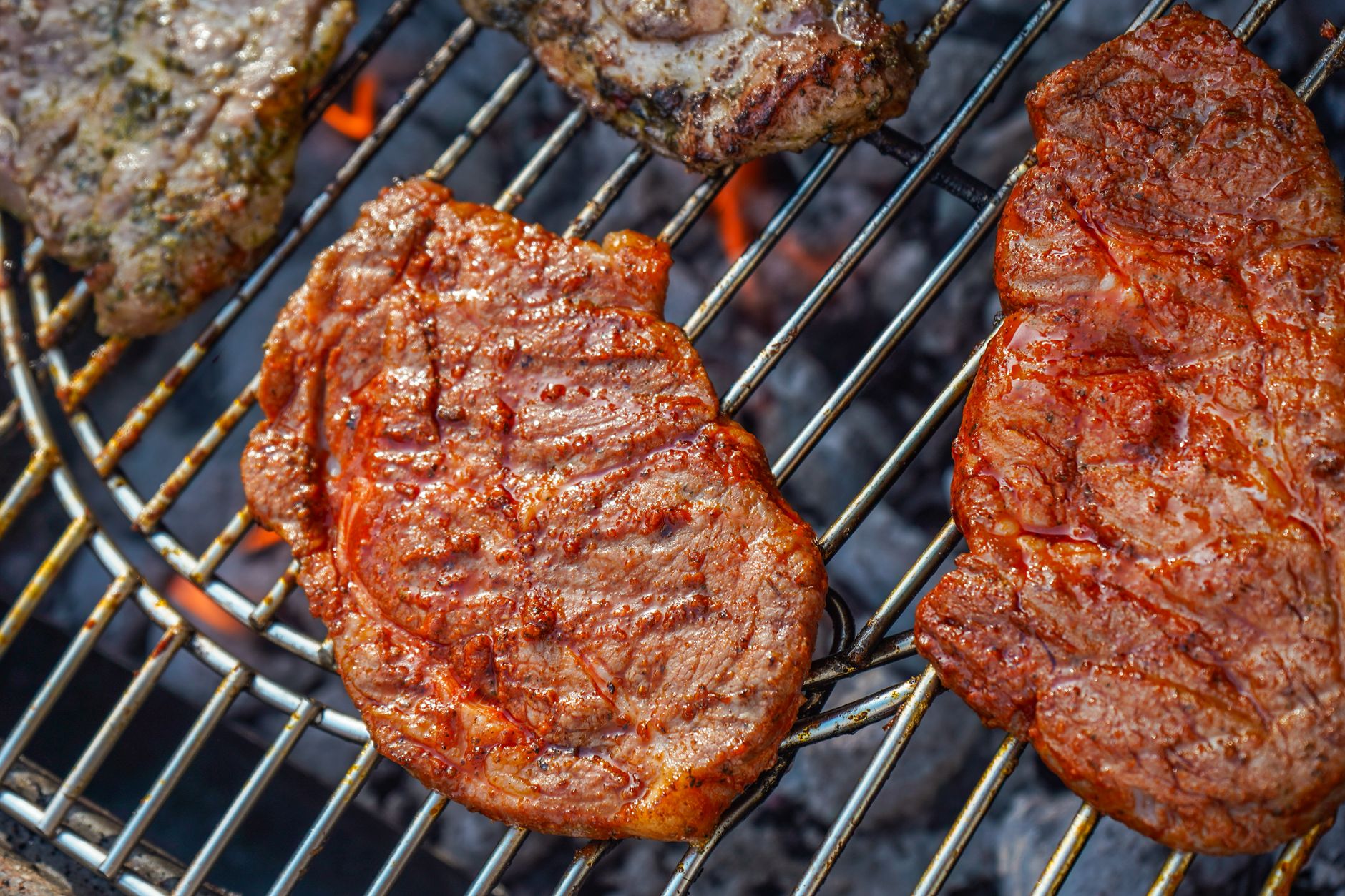
The juice that comes out of steak, often referred to as meat juices or drippings, plays a significant role in determining the flavor and texture of the finished dish. This liquid is fat and protein that have rendered from the meat as it cooks, along with any juices that were naturally present in the steak. Understanding what this juice is and how to utilize it can enhance your cooking skills and elevate your meals.
In this guide, we’ll delve into the science behind steak juices, explore how to properly handle them during cooking, and offer practical tips for maximizing flavor in your dishes. Whether you’re a seasoned cook or a beginner, this information will help you appreciate the complexities of meat juices and how to use them effectively.
What Is the Juice That Comes Out of Steak?
The juice that exudes from steak as it cooks is primarily composed of water, proteins, and fat. When steak is heated, the proteins in the meat denature, or change structure, and moisture is released. This moisture combines with melted fat, creating a savory liquid that contributes to the overall flavor and juiciness of the steak.
When meat cooks, it undergoes several physiological changes. The heat causes muscle fibers to contract, pushing moisture out of the meat. This is often misconceived as losing flavor; however, these juices contain intense concentrated flavors that can enhance other elements of a dish when used correctly.
The Science Behind Steak Juices
Understanding the science behind steak juices involves looking at the composition of meat. Steak primarily consists of water (around 75%), protein (approximately 20%), and fat (up to 5%). The way you cook your steak plays a significant role in how much juice is retained or released.
The Effect of Cooking Temperature
The cooking temperature directly influences how much juice is lost from the steak. At lower temperatures, meat retains more moisture. This is because the muscle fibers remain longer in a relaxed state, allowing less liquid to be expelled. Conversely, cooking at high temperatures causes the fibers to contract rapidly, leading to increased moisture loss.
The Role of Resting
Resting a steak after cooking is crucial for moisture retention. During the resting period, which should be about 5-10 minutes, the juices can redistribute throughout the meat. Cutting into a steak immediately after cooking causes these juices to run out, often resulting in a drier texture.
Differences in Meat Cuts
Not all steaks are created equal. Different cuts vary in fat content and muscle structure, which affects the amount and quality of juice released during cooking. For instance, a ribeye steak typically retains more juice than a tenderloin due to its higher fat content.
How to Collect and Use Steak Juices
Collecting and using steak juices is an excellent way to amplify the flavors in your dishes. Here are practical steps to ensure you utilize these flavorful drippings effectively:
Step 1: Cook the Steak with Care
- Season your steak well before cooking to enhance its flavor.
- Choose a cooking method that suits your steak cut, such as grilling, pan-searing, or roasting.
- Monitor the internal temperature; use a meat thermometer to ensure you reach your desired doneness.
Step 2: Let It Rest
- After removing the steak from the heat, place it on a cutting board.
- Cover loosely with aluminum foil and let it rest for 5-10 minutes.
- This allows the juices to redistribute, ensuring a juicy steak when sliced.
Step 3: Collect the Juices
- Once rested, place the steak at an angle on a plate or board to encourage the juices to flow.
- Use a spoon to collect any juices that pool on the plate.
- If using a skillet, ensure to scrape the bottom for any browned bits known as fond.
Practical Ways to Use Steak Juices
Steak juices are incredibly versatile and can enhance a number of dishes or sauces. Here are some practical applications:
1. Sauce Base
One of the best ways to use steak juices is as a base for sauces. The drippings can be combined with stock, wine, or cream to create rich, flavorful sauces. Here’s how to do it:
- After cooking your steak, remove it from the skillet, leaving any drippings behind.
- Deglaze the pan with a splash of wine or stock, scraping up browned bits with a wooden spoon.
- Add your desired seasonings and reduce the sauce until it thickens slightly.
- Finish with a pat of butter for a silky texture and then pour over the sliced steak.
2. Gravy
Steak juices can also be turned into a delicious gravy. Here is a simple method:
- In the same pan where the steak was cooked, add flour to the drippings to create a roux.
- Gradually whisk in beef broth, stirring to combine until the gravy reaches your desired consistency.
- Season to taste with salt and pepper.
3. Marinades and Brines
The concentrated flavor of steak juices makes them an ideal addition to marinades or brines for other meats. This can infuse extra flavor into chicken or pork. Combine the juices with other marinade ingredients like garlic, herbs, and acid (vinegar or citrus juice) for a rich marinade.
4. Soups and Stews
Add collected steak juices to soups or stews to enhance their flavor. Simply mix the juices into the liquid of the dish, allowing it to simmer and blend with the other ingredients. This is especially useful in beef-based soups.
5. Basting and Cooking Other Proteins
Using steak juices to baste chicken or other meats while cooking can add a depth of flavor that elevates those dishes. Use a brush to apply the juices over the meat as it cooks, ensuring it remains moist and flavorful.
Common Mistakes to Avoid with Steak Juices
1. Not Resting the Meat
Failing to rest your steak can lead to significant moisture loss. Always allow your steak to rest to ensure maximum juiciness.
2. Overcooking the Steak
Cooking steak at too high a temperature or for too long can lead to dry meat. Use a reliable meat thermometer to check doneness.
3. Discarding the Juices
Some cooks are quick to discard the juices thinking they are just fat. Instead, aim to capture and use these juices to enhance your dishes. They carry immense flavor!
Storage and Reheating Tips for Steak Juices
If you have leftover steak juices, proper storage can help preserve their flavor.
Storage
Store any collected steak juices in an airtight container in the refrigerator. It should keep for about 3-4 days. For longer storage, consider freezing the juices in an ice cube tray and then transfer the frozen cubes into a freezer bag. This way, you can easily add a single cube to soups or sauces as needed.
Reheating
When ready to use, gently reheat the juices in a saucepan over low heat. Avoid boiling, which can break down flavors. Stir frequently until warmed through, and then incorporate it into your dish.
Conclusion: Embrace the Juice!
The juice that comes out of steak is more than just a byproduct; it’s an essential element that contributes to the richness and depth of flavor. By understanding how to properly manage and utilize these juices, you can elevate your steak dishes and other meals, making them more enjoyable and satisfying. Whether you are creating a sauce, gravy, or using the juices to enhance your dishes, the key lies in making the most of this flavorful liquid.
For more culinary insights, explore our steak seasoning recipe or try our baked steak recipe for delicious steak options.