
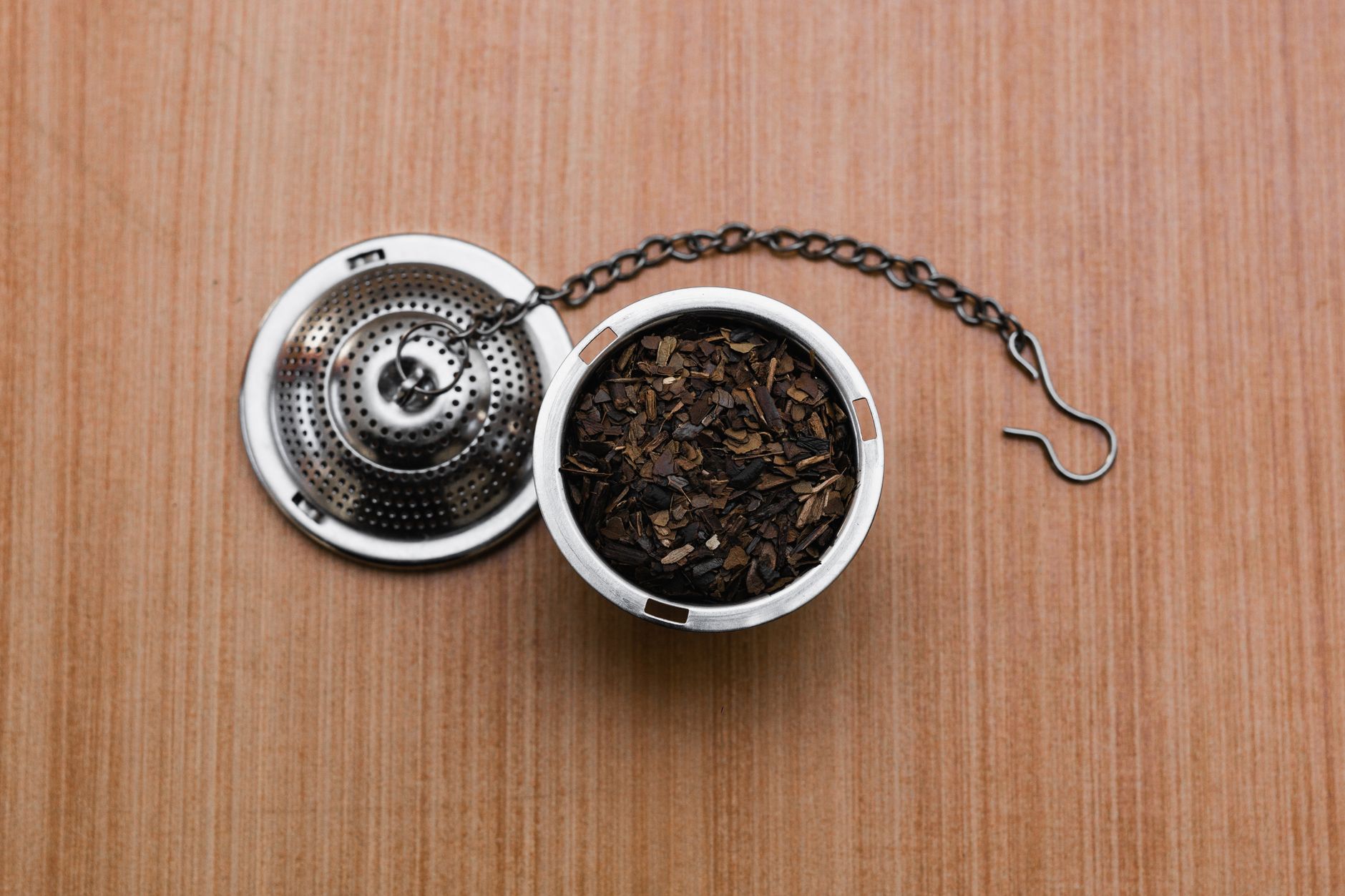
Chai tea, a flavorful blend of various spices and strong black tea, has captured the hearts of many around the world. Known for its aromatic profile and warming qualities, chai is both comforting and invigorating. To achieve the perfect cup, understanding how long to steep chai tea is crucial.
The steeping time affects not only the flavor but also the overall balance of spices and tea. This article will guide you through the optimal steeping time for chai, various methods, and additional tips to enhance your tea-drinking experience.
How Long to Steep Chai Tea?
The ideal steeping time for chai tea varies based on the method used, but generally ranges from 3 to 5 minutes. Steeping for too short a time may result in a weak flavor, while steeping too long can lead to bitterness.
Understanding Chai Tea
Chai tea originates from India, where it’s traditionally made with black tea, milk, and a mixture of spices such as cardamom, ginger, cinnamon, and cloves. The spices used can vary greatly depending on personal preference and regional variations.
The base used for chai influences its steeping time. Loose leaf chai may require different timing than tea bags, and fresh spices may impart flavors at different rates compared to dried ones. Let’s explore these factors in more detail.
Factors Affecting Steeping Time
Type of Tea Used
Traditional chai often uses Assam or Darjeeling black tea. Loose leaf black tea tends to release flavor more rapidly than tea bags due to the larger surface area. As a general rule:
- Loose Leaf Black Tea: 4-5 minutes
- Tea Bags: 3-4 minutes
Freshness of Spices
Freshly ground spices tend to have a more vibrant flavor and release their oils more rapidly than stale ones. If you’re using fresh ground spices, you might need to steep for a shorter time to avoid overpowering the tea.
Water Temperature
The steeping temperature can also alter the outcome of the tea. Generally, chai tea is steeped at boiling or just below boiling (around 200-212°F or 93-100°C). Ensure the water is hot enough, as cooler water leads to under-extraction, resulting in a bland taste.
Steeping Methods
Traditional Stovetop Method
This method combines boiling water, spices, and tea together. Follow these steps for an authentic chai experience:
- Begin by boiling 1 to 2 cups of water in a saucepan.
- Add your chosen spices (about 1 teaspoon per spice) and black tea (1 teaspoon for loose leaf or 1 tea bag) to the boiling water.
- Let the mixture simmer for about 5 minutes, allowing the flavors to meld together.
- Add milk of your choice (dairy or plant-based) to taste, and simmer for an additional 2-3 minutes.
- Strain the tea into a cup and enjoy.
French Press Method
For those who prefer a simpler way to enjoy chai, using a French press is a great option. This method is straightforward and requires less cleanup:
- Boil water and pour it into your French press.
- Add loose leaf black tea and spices—use about 2 teaspoons of tea and 1 teaspoon of spices.
- Cover and steep for 4-5 minutes.
- Press down the plunger to separate the tea from the spices and tea leaves.
- Add hot milk and sweetener to taste, stirring well before serving.
Instant Chai Tea
If you’re looking for convenience, instant chai tea powder is available and offers an entirely different steeping process. Simply mix the powder with hot water and milk according to package instructions—this usually takes less than a minute.
How to Identify Doneness
Knowing when chai tea is done can be subjective, but here are key indicators:
- Color: A rich, deep amber color indicates that the tea has steeped adequately.
- Aroma: The fragrant aroma of spices and tea is a great sign that your chai is ready.
- Taste: If you prefer a spicier or bolder tea, steep further. If too bitter, you likely steeped too long.
Tips for Perfecting Your Chai Tea
To enhance your chai tea experience, consider these helpful tips:
- Experiment with Spices: Cardamom, ginger, cinnamon, and black pepper are common spices. Adjusting the amounts or trying new spices can produce unique flavors.
- Sweetening: Adding sugar, honey, or agave syrup can balance the bitterness from over-steeping.
- Milk Options: Traditional chai uses whole milk, but almond, oat, or coconut milk can yield interesting variations.
- Chill it: If you enjoy iced chai, steep the tea stronger than usual and pour over ice.
Common Mistakes to Avoid
A few common issues can occur when making chai tea:
- Water Temperature: Ensure your water is adequately heated, as cooler water won’t extract flavors effectively.
- Over-Steeping: Avoid steeping too long, as this can bring out bitterness. Aim for the recommended time based on your method.
- Ignoring Spice Ratios: Too little spice can lead to a flat flavor. Make adjustments based on your taste preferences.
Storage and Reheating of Chai Tea
If you have leftover chai tea, store it in an airtight container in the refrigerator for up to three days. When reheating, do so slowly on the stovetop or in the microwave, taking care not to boil it again as this can affect the flavors.
Conclusion
Steeping chai tea is both an art and a science. By understanding the factors that influence flavor, you can create a cup that suits your palate perfectly. Remember to experiment with different steeping times and flavors until you find your ideal blend.
For those interested in the caffeine content of chai, check out how much caffeine is in chai tea. If you’re looking for a quick way to prepare your favorite beverage, consider this chai concentrate recipe. Enjoy your tea journey!