
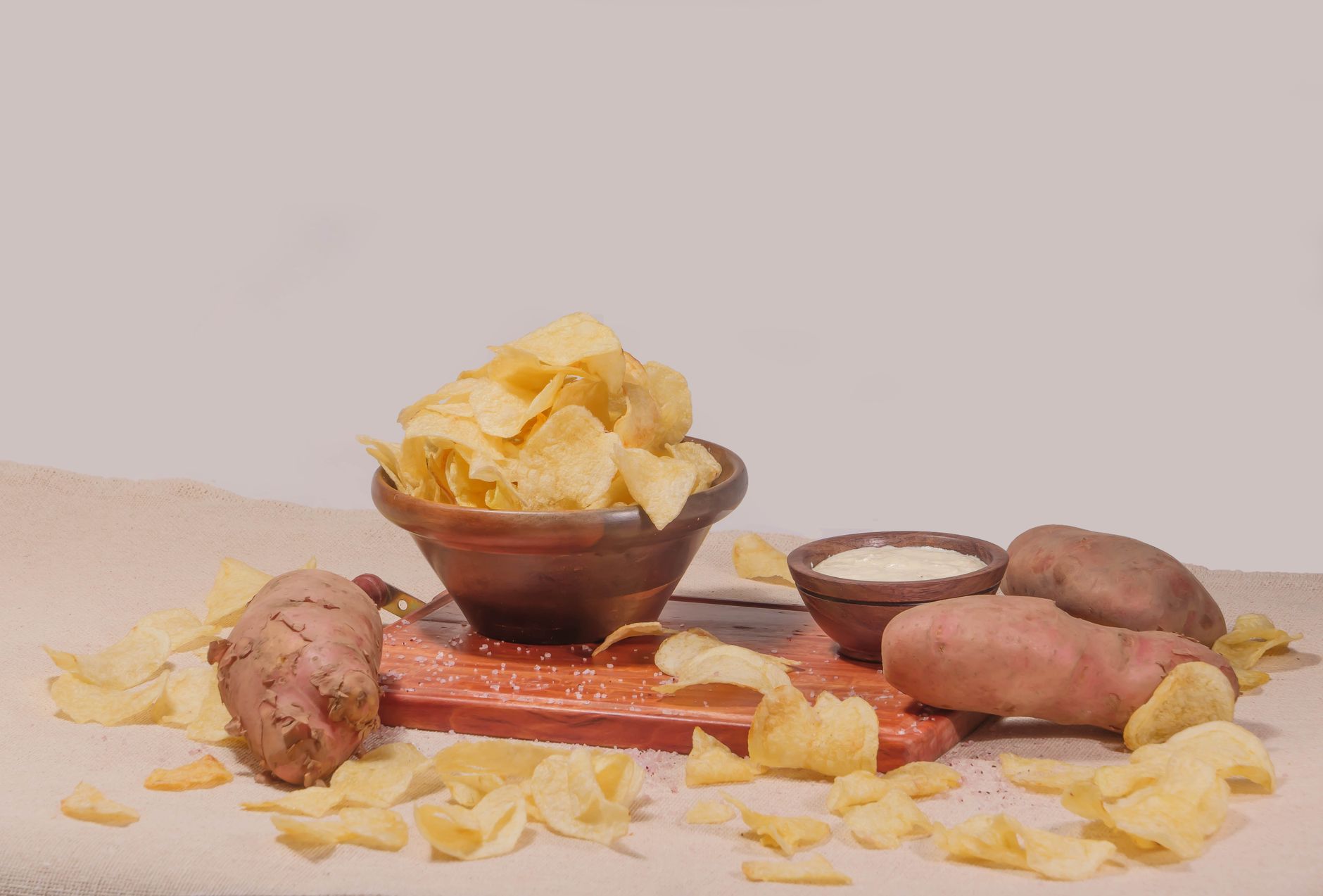
Sweet potatoes, with their vibrant color and rich flavor, often lead to the question, “Is a sweet potato a vegetable?” Yes, sweet potatoes are indeed classified as vegetables—they belong to the root vegetable family. This article explores their flavor, texture, culinary uses, and exciting pairings, making it easy to integrate sweet potatoes into your meals.
This versatile tuber can be used in various ways, from savory dishes to desserts. Understanding their unique characteristics will allow you to appreciate sweet potatoes better and prepare them in delicious ways. Here’s a deep dive into everything you need to know about this nutritious vegetable.
Is Sweet Potatoes a Vegetable?
Yes, sweet potatoes are categorized as vegetables because they are edible root tubers. They belong to the Convolvulaceae family, which primarily consists of flowering plants. Unlike other types of potatoes, sweet potatoes have a sweeter flavor and provide a nutritious option for various meals.
Flavor Profile of Sweet Potatoes
The flavor of sweet potatoes is mildly sweet and earthy, with a natural sweetness that becomes more pronounced when cooked. Different varieties present varying degrees of sweetness, from the deep orange-fleshed types to the lighter yellow and purple-fleshed varieties. The natural sugars caramelize during cooking, enhancing their flavor.
Texture of Sweet Potatoes
Sweet potatoes have a creamy and smooth texture when cooked, making them a popular addition to many dishes. Depending on the cooking method, they can be fluffy, soft, or even slightly crispy when roasted or fried. Their texture makes them versatile for mashing, baking, or adding to soups and stews.
Culinary Uses of Sweet Potatoes
Sweet potatoes can be used in numerous culinary applications. Here are some common ways to incorporate them into your meals:
- Savory Dishes: Roasted, mashed, or added to casseroles, sweet potatoes provide a delightful flavor boost in savory dishes.
- Sweets and Desserts: They can be transformed into sweet potato pie, brownies, or puddings due to their natural sweetness.
- Soups and Stews: Incorporate sweet potatoes into soups for added creaminess and nutrition.
- Snacks: Sweet potato chips or fries are popular alternatives to traditional snacks.
Choosing Sweet Potatoes: Shopping Tips
When selecting sweet potatoes, consider the following tips to ensure quality:
- Look for Firmness: Choose sweet potatoes that are firm to the touch without any soft spots or wrinkles.
- Color Variations: Select the color based on your intended use; darker varieties tend to be sweeter.
- Avoid blemishes: Inspect for cuts, dark spots, or signs of decay.
Preparation and Cooking Techniques
Sweet potatoes can be prepared using various cooking methods, each contributing different flavors and textures. Here are some popular techniques:
Boiling
- Peel and cut sweet potatoes into uniform pieces.
- Place them in a pot of salted boiling water.
- Cook until tender, usually around 12 to 15 minutes.
- Test doneness by piercing with a fork.
- Drain and mash, or use in your favorite recipes.
Roasting
- Preheat your oven to 400°F (200°C).
- Cut sweet potatoes into wedges or cubes.
- Coat with olive oil and seasonings of your choice.
- Spread on a baking sheet and roast for 25-30 minutes, turning halfway through until crispy and tender.
Baking
- Preheat the oven to 425°F (220°C).
- Pierce the sweet potatoes with a fork to allow steam to escape.
- Bake for 45-60 minutes until soft.
- Let cool, then slice and serve with desired toppings.
Mashing
- Boil or bake sweet potatoes until tender.
- Mash using a potato masher or fork.
- Add butter, cream, or seasoning to taste.
Flavor Pairings with Sweet Potatoes
Sweet potatoes are incredibly versatile and pair beautifully with various flavors:
Herbs and Spices
- Cinnamon: Enhances the natural sweetness.
- Nutmeg: Adds warmth and depth.
- Rosemary: Balances the sweetness with its earthiness.
- Chili Powder: Provides a lovely spicy contrast.
Other Ingredients
- Butter: Adds creaminess.
- Garlic: Imparts a savory note.
- Maple Syrup: Complements the sweetness in desserts and side dishes.
- Cheese: Feta and goat cheese can add saltiness and richness.
Serving Suggestions
Sweet potatoes can be served in various formats depending on the occasion. Here are some serving suggestions:
- As a Side Dish: Pair mashed sweet potatoes with roasted meats or as part of a Thanksgiving feast.
- In Salads: Use roasted sweet potatoes in salads with leafy greens, nuts, and a tangy dressing.
- In Bowls: Create a healthy grain bowl with sweet potatoes, quinoa, and your favorite protein.
Make-Ahead and Storage Tips
Sweet potatoes are great for meal prep and can be cooked in advance. Here are some tips:
- Storage: Keep raw sweet potatoes in a cool, dark place for up to a month. Once cooked, store in an airtight container in the refrigerator for about 4 to 5 days.
- Freezing: Cooked sweet potatoes can be frozen for up to six months. Mash or cut into portions before freezing.
Common Mistakes to Avoid
When cooking sweet potatoes, keep these common pitfalls in mind to ensure the best results:
- Overcooking: This leads to mushy texture. Keep an eye on cooking times, especially when boiling.
- Undercooking: This results in a raw center. Test using a fork to check tenderness.
- Not seasoning: Sweet potatoes benefit from added flavors; don’t skip spices or herbs.
Sweet Potato Recipes to Try
To explore the potential of sweet potatoes in your cooking, here are a few recipe ideas:
Sweet Potato Cornbread
- Incorporate mashed sweet potatoes into cornbread for a moist texture and sweet flavor.
- Pair with chili or serve as a side dish.
Sweet Potato Casserole
- Mash sweet potatoes and layer with marshmallows for a classic Thanksgiving dish.
- Mix in orange zest for an added citrusy note.
Roasted Sweet Potato Salad
- Combine roasted sweet potatoes with spinach, feta cheese, and walnuts for a delicious salad.
- Drizzle with a balsamic glaze for extra flavor.
Substituting Sweet Potatoes
If you can’t find sweet potatoes or want to experiment, consider these substitutions:
- Butternut Squash: Similar texture and sweetness; great in savory dishes.
- Carrots: Slightly less sweet; can be used in soups or mashes.
- Pumpkin: For desserts and soups, pumpkin provides a comparable flavor.
Conclusion
Sweet potatoes are a nutritious and versatile vegetable that can enhance a wide range of dishes, both sweet and savory. Understanding their flavor, preparation methods, and pairing options will elevate your cooking. Whether you enjoy them as a side dish, main ingredient, or dessert, sweet potatoes are sure to add a delightful touch to your meals.
Explore more delicious recipes, cooking tips, or ingredient guides to further enhance your culinary journey. Check out how to bake boneless pork chops or try the sweet potato cornbread recipe for your next meal!