
There’s a moment when you first smell blackening seasoning hitting a hot cast-iron skillet when you realize you’ve been making bland food your whole life.
Blackening seasoning is a spice blend that brings bold, smoky heat to fish, chicken, vegetables, and pretty much anything else you throw on a plate. This recipe captures the Cajun magic of New Orleans kitchens without the fuss of hunting down specialty stores or paying restaurant prices for a tiny jar.
What makes this blend special is how the spices toast together, creating depth that goes way beyond salt and pepper. You control the heat level, the smokiness, and the balance, meaning your version tastes exactly how you want it to.
Why You’ll Love This Recipe
This blackening seasoning comes together in minutes and stays fresh for months, giving you restaurant-quality flavor whenever you need it.
- Quick to mix and store in a simple jar you already own
- Costs a fraction of pre-packaged versions from specialty shops
- Works on nearly every protein and vegetable you can think of
- Fully customizable to your heat and spice preferences
- No weird additives or fillers hiding in the ingredient list
My Experience Making This Recipe
I started making my own blackening seasoning after spending too much money on tiny jars that disappeared in a week. The first time I used it on salmon, my kitchen filled with this incredible smoky aroma that made my roommate ask what restaurant I’d ordered from.
What surprised me most was how versatile it became once I had it on hand. Eggs for breakfast, roasted broccoli for dinner, popcorn for a snack – suddenly everything tasted more interesting.
The best part? I tweaked the ratio after the second batch, cutting back the cayenne just slightly because I like heat that builds rather than attacks. Now when friends ask for the recipe, I actually have something to give them instead of shrugging.
Recipe Overview
- Recipe Name: Blackening Seasoning
- Servings: Makes about 1/2 cup (16 tablespoons)
- Prep Time: 5 minutes
- Cook Time: 2 minutes
- Total Time: 7 minutes
- Course: Condiment/Spice Blend
- Cuisine: Cajun/Creole
- Calories per Serving: 5 calories per teaspoon
Equipment You Will Need
- Small dry skillet or cast-iron pan
- Measuring spoons
- Small mixing bowl
- Wooden spoon for stirring
- Airtight glass jar for storage
- Optional: spice grinder for whole spices
Ingredients for Blackening Seasoning
- Paprika: 2 tablespoons
- Garlic powder: 1 tablespoon
- Onion powder: 1 tablespoon
- Cayenne pepper: 1 teaspoon
- Dried oregano: 1 teaspoon
- Dried thyme: 1 teaspoon
- Black pepper: 1 teaspoon
- Kosher salt: 1 teaspoon
- Dried basil: 1/2 teaspoon
- Onion salt: 1/4 teaspoon
Ingredient Notes and Substitutions
- Paprika creates the red color and smoky backbone of the blend. If you can find smoked paprika, use it for extra depth, though regular paprika works perfectly fine.
- Garlic powder brings savory punch without adding moisture. Fresh garlic will make the blend clumpy, so stick with powder.
- Onion powder adds sweetness and umami. Onion salt can replace some of it, but reduce the kosher salt if you do.
- Cayenne pepper provides the heat. Cut it to 1/2 teaspoon if you prefer milder seasoning, or bump it to 2 teaspoons if you like serious kick.
- Dried oregano and thyme are classic Cajun herbs. Dried marjoram works as a substitute for oregano if needed.
- Black pepper sharpens the overall flavor. Fresh cracked works better than pre-ground if you have it.
- Kosher salt anchors everything. Table salt works but use slightly less since it’s denser.
How to Make Blackening Seasoning
Step 1: Gather All Your Spices
Pull out every spice jar you need and set them on your counter in order. Having everything visible keeps you from forgetting an ingredient and ensures you’re working with what you actually have on hand.
Step 2: Heat Your Skillet
Place a small dry skillet over medium heat for about 1 minute until it’s warm to the touch. A warm pan helps toast the spices evenly and brings out their natural oils.
Step 3: Toast the Paprika and Oregano
Add the paprika and oregano to the warm skillet and stir constantly for about 30 seconds. You’ll immediately smell the herbs waking up, and this quick toast makes them taste fresher and more vibrant.
Step 4: Add the Remaining Dried Spices
Pour in the thyme, dried basil, garlic powder, onion powder, cayenne, and black pepper. Keep stirring for another 30 to 45 seconds so everything toasts evenly without burning.
Step 5: Remove From Heat
Take the skillet off the heat immediately when the spices smell fragrant and slightly darker. The pan retains heat, so leaving it on the burner risks burning the spices and making them taste bitter.
Step 6: Cool the Spices
Let the toasted spices sit in the skillet for 1 to 2 minutes to cool slightly. Cooling them slightly keeps them from browning further and gives you a chance to let any moisture escape.
Step 7: Transfer to a Mixing Bowl
Pour the toasted spices into a small mixing bowl and add the kosher salt and onion salt. Mixing everything while still slightly warm helps the flavors combine better than if you waited until completely cool.
Step 8: Stir Until Combined
Whisk or stir everything together for about 1 minute until the salt and spices are evenly distributed. Breaking up any clumps ensures consistent flavor when you use the seasoning.
Step 9: Store in an Airtight Jar
Transfer the cooled seasoning to a clean, dry glass jar with a tight-fitting lid. Proper storage keeps the blend fresh and potent for up to 3 months.
Pro Tip: Toast your spices right before mixing if you want the most vibrant flavor, but you can also skip toasting and mix everything cold if you’re short on time; the seasoning works either way, just slightly less aromatic.
Tips for the Best Blackening Seasoning
- Use fresh spices for the best results; old, dusty spices from the back of your cabinet won’t deliver the punch you want. Replace spice jars every 6 months if you cook regularly.
- Toast your spices right before mixing when possible; toasting releases essential oils that make the blend taste alive instead of flat.
- Taste a tiny pinch before storing to check the heat level. If it’s too spicy, add more paprika to balance the cayenne.
- Don’t skip the kosher salt even though some spices already contain sodium. The salt brings all the other flavors into focus.
- Keep your jar in a cool, dark cabinet away from sunlight and heat. Pantries work better than countertops for long-term storage.
- Label your jar with the date you made it so you know when to refresh the batch. Homemade blends start losing potency after 2 months.
Common Mistakes to Avoid
- Burning the spices during toasting ruins the whole batch; keep the heat at medium and watch constantly for the first sign of darkening.
- Using stale spices defeats the purpose of making your own; check the smell test by opening each jar and sniffing before adding to the blend.
- Skipping the salt or cutting it too much leaves the seasoning tasting flat and one-dimensional. Salt amplifies the other spices.
- Storing in a clear jar on an open shelf exposes the spices to light and heat, which fades flavor quickly; use opaque containers in dark spaces instead.
- Making the blend too spicy for your taste out of habit; if you mostly use it on milder proteins like fish, reduce cayenne to 1/2 teaspoon from the start.
Serving Suggestions
This seasoning shines on proteins that can handle bold flavor and benefit from a crusty exterior. Coat them generously just before cooking for the best results.
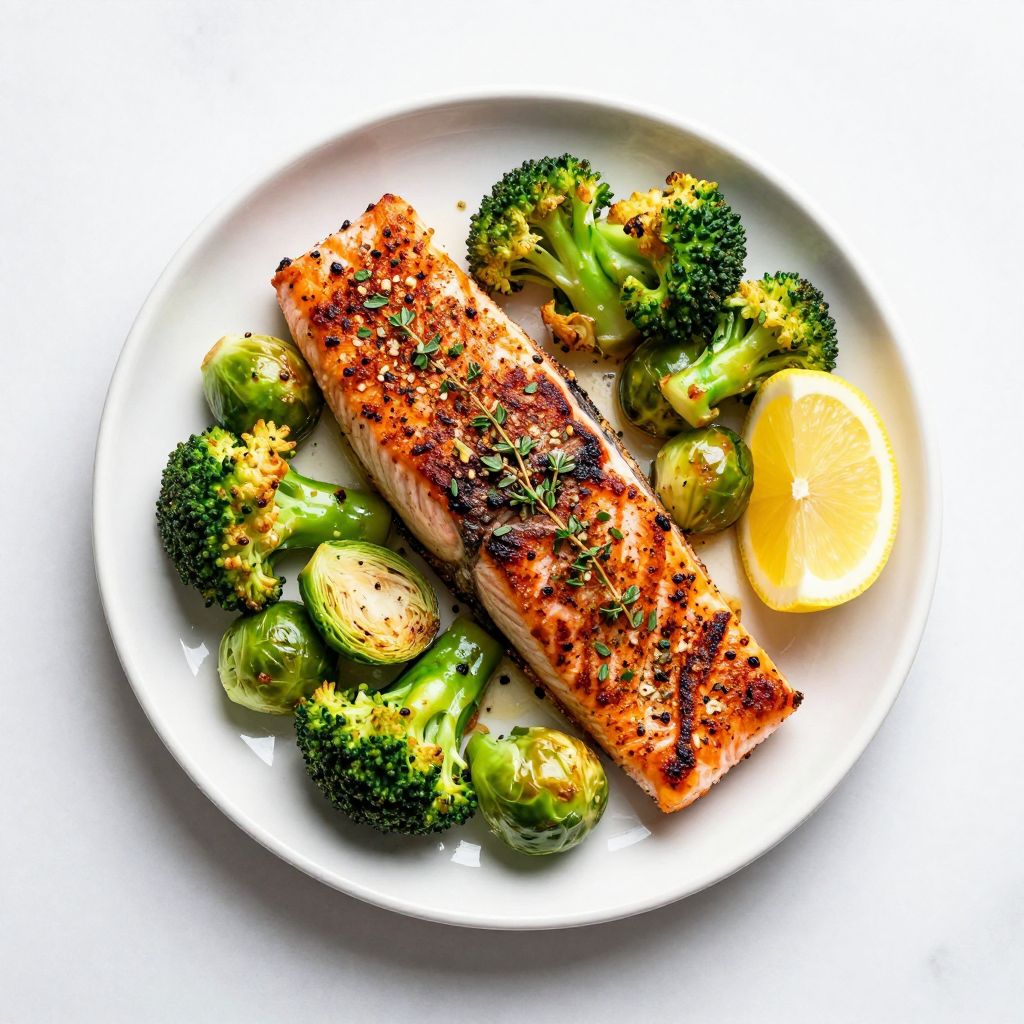
- Blackened salmon fillets with a squeeze of fresh lemon juice
- Seasoned chicken breasts or thighs seared in a hot skillet until crispy
- Roasted vegetables like cauliflower, broccoli, or Brussels sprouts tossed in oil and seasoning
- Blackened shrimp tacos with avocado and lime crema
- Seasoned popcorn drizzled with melted butter for a savory snack
Variations to Try
- Smoky version: Swap regular paprika for smoked paprika and add 1/2 teaspoon of liquid smoke for deeper, campfire-like flavor that works beautifully on beef.
- Milder blend: Cut the cayenne to 1/2 teaspoon and add an extra 1/2 teaspoon of dried oregano for a seasoning that kids and heat-sensitive eaters will enjoy on chicken and fish.
- Creole style: Add 1/2 teaspoon of celery seed and 1/4 teaspoon of mustard powder for a more complex, slightly tangy version that pairs well with seafood.
- Extra spicy: Increase cayenne to 2 teaspoons and add 1/4 teaspoon of ghost pepper powder for intense heat that demands respect and pairs with bold proteins like tuna or steak.
- Herb-forward: Bump oregano and thyme each to 1.5 teaspoons and reduce paprika to 1.5 teaspoons for a greener, fresher take that lightens fish dishes.
Dietary Adaptations
- Gluten-free: This recipe is naturally gluten-free since all ingredients are pure spices; simply verify your spice jars are certified gluten-free if you have celiac disease.
- Dairy-free: The seasoning contains no dairy; use it freely on any protein you prepare without added dairy products.
- Vegan and vegetarian: This blend is completely plant-based; it works beautifully on roasted vegetables, tofu, and legumes without any modifications needed.
- Low-carb and keto: Blackening seasoning is virtually carb-free and fits keto perfectly; use it generously on fatty fish, beef, and low-carb vegetables to add flavor without affecting macros.
Storage and Reheating
Refrigerator
Store your blackening seasoning in an airtight glass jar in a cool, dark cabinet rather than the refrigerator. Moisture in the fridge can clump the spices and reduce shelf life.
- Keeps for 2 to 3 months in optimal conditions
- Check for any moisture or clumping before each use
Freezer
Freezing isn’t necessary since dry spice blends don’t spoil, but it can extend vibrancy if you live in a very hot climate. Transfer to a freezer-safe container if you choose this route.
- Keeps for up to 6 months in the freezer
- Let it come to room temperature before opening to avoid condensation
Reheating
This is a dry seasoning blend, so there’s no reheating involved. Use it straight from the jar by coating your protein or vegetables just before cooking.
- Apply seasoning within 1 to 2 minutes of cooking for best crust formation
- If the blend sits on raw food too long, it draws out moisture and won’t blacken properly
Nutrition Information
| Nutrient | Amount |
|---|---|
| Calories | 5 |
| Total Fat | 0.2g |
| Saturated Fat | 0g |
| Carbohydrates | 1g |
| Fiber | 0.1g |
| Sugar | 0g |
| Protein | 0.2g |
| Sodium | 190mg |
| Cholesterol | 0mg |
These values are based on one teaspoon of seasoning. The actual nutritional impact depends on how much you use per dish; most recipes call for 1 to 2 teaspoons per serving.
Frequently Asked Questions
Can I use this seasoning on vegetables?
Absolutely, and they benefit tremendously from the bold flavors. Toss vegetables in olive oil, coat with seasoning, then roast at 400 degrees until they develop a dark, crispy exterior.
How much seasoning should I use per serving?
For most proteins, use about 1 to 2 teaspoons per 6-ounce portion, applying it right before cooking so it forms a flavorful crust. Start with 1 teaspoon if you’re unsure and adjust based on your heat preference.
Does this seasoning go bad?
Dry spice blends don’t spoil like fresh food, but they lose potency after 2 to 3 months. If your blend smells weak or tastes flat, it’s time to make a fresh batch.
What’s the best way to apply the seasoning to fish?
Pat your fish dry with paper towels, coat lightly with oil, then press the seasoning onto both sides just before the fish hits a screaming-hot skillet. The high heat creates that signature dark, flavorful crust.
Can I make a bigger batch and store it longer?
Yes, this recipe doubles or triples easily, and storing in multiple small jars keeps each one fresher than one large container. Smaller jars mean less air exposure each time you open them.
Is this recipe spicier than store-bought versions?
It depends on the brand, but most store-bought versions err milder because they appeal to a wider audience. This recipe hits a balanced heat level that’s noticeable but not overwhelming, though you can easily adjust the cayenne.
Final Thoughts
Making your own blackening seasoning transforms how you cook every single day. Once you have a jar in your pantry, you’ll find yourself reaching for it constantly because the flavor is that good.
Start with this basic recipe, taste as you go, then make it your own by adjusting the heat or adding extra herbs that speak to you. The beauty of homemade spice blends is that they can evolve with your preferences, and you’ll always know exactly what’s inside the jar.
Blackening Seasoning
Ingredients
Equipment
Method
- Pull out every spice jar you need and set them on your counter in order. Having everything visible keeps you from forgetting an ingredient.
- Place a small dry skillet over medium heat for about 1 minute until it's warm to the touch.
- Add the paprika and oregano to the warm skillet and stir constantly for about 30 seconds until fragrant.
- Pour in the thyme, dried basil, garlic powder, onion powder, cayenne, and black pepper. Keep stirring for another 30 to 45 seconds so everything toasts evenly without burning.
- Take the skillet off the heat immediately when the spices smell fragrant and slightly darker.
- Let the toasted spices sit in the skillet for 1 to 2 minutes to cool slightly.
- Pour the toasted spices into a small mixing bowl and add the kosher salt and onion salt.
- Whisk or stir everything together for about 1 minute until the salt and spices are evenly distributed, breaking up any clumps.
- Transfer the cooled seasoning to a clean, dry glass jar with a tight-fitting lid. Store in a cool, dark cabinet for up to 3 months.