
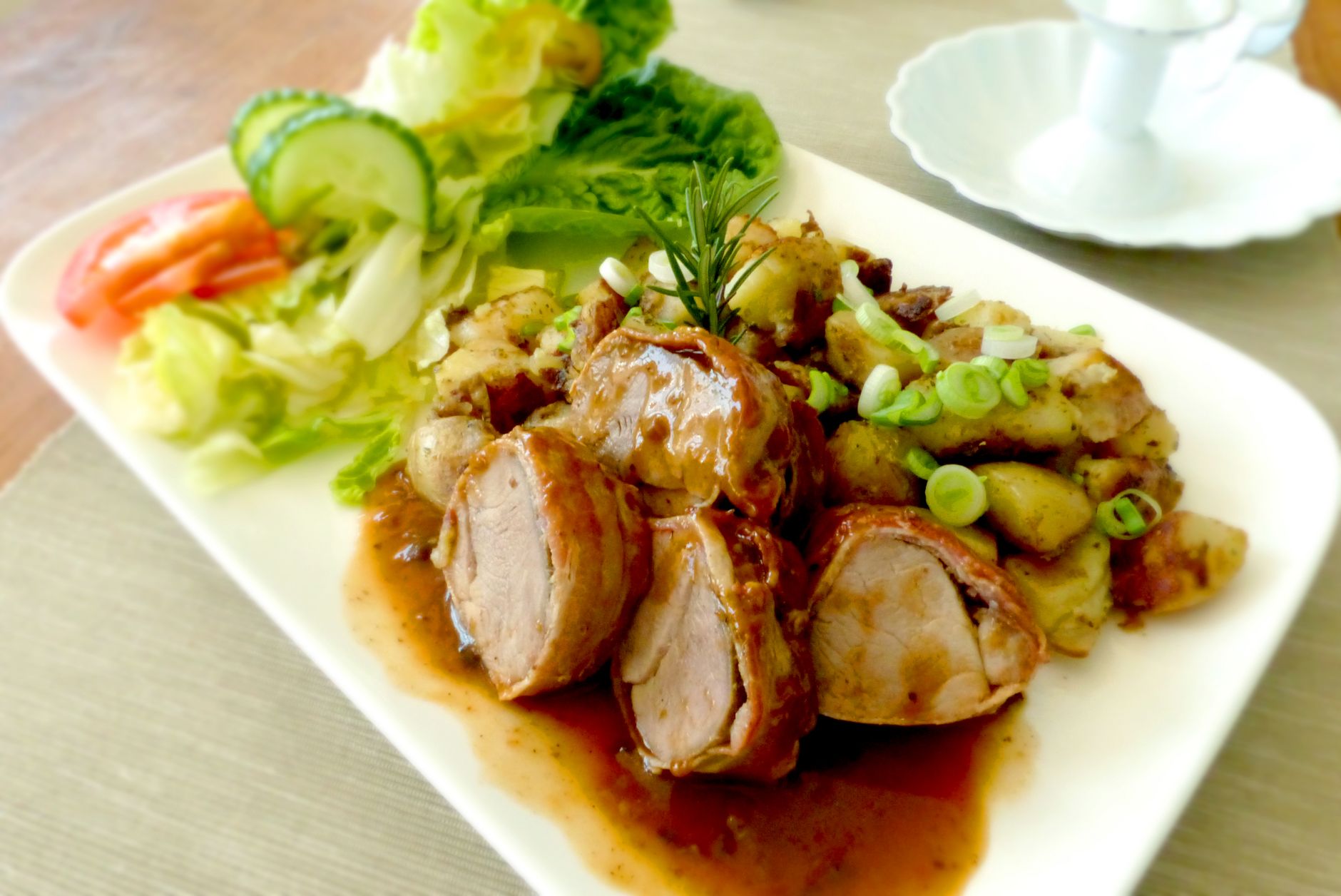
Pork tenderloin is a versatile cut of meat that is not only tender and flavorful but also relatively quick to cook. Understanding how long to roast pork tenderloin is crucial to achieving a perfectly cooked dish that is juicy inside and has a delicious crust on the outside. With the right techniques, you can elevate your cooking and impress your family or guests.
This article will provide you with detailed insights on roasting pork tenderloin, including preparation tips, optimal cooking times, doneness levels, and common pitfalls to avoid. Whether you’re a novice cook or a seasoned chef, this guide will make your cooking experience enjoyable and rewarding.
How Long to Roast Pork Tenderloin?
Roasting pork tenderloin typically takes between 25 to 35 minutes at an oven temperature of 425°F (220°C). However, the exact time may vary depending on the size and weight of the tenderloin as well as the level of doneness you prefer. A meat thermometer is essential to ensure it reaches 145°F (63°C) for safe consumption.
Why Choose Pork Tenderloin?
Pork tenderloin is a desirable choice for several reasons:
- Tender Texture: As the name suggests, pork tenderloin is one of the most tender cuts of pork available.
- Quick Cooking: It cooks rapidly compared to other cuts, making it ideal for weeknight dinners.
- Versatile Flavor: It has a mild flavor that pairs well with various marinades and spices.
Preparing Your Pork Tenderloin
Before roasting, some essential preparation steps will help enhance the flavors and ensure a juicy outcome:
- Choosing the Right Cut: Look for pork tenderloin that is pinkish-red in color without excessive fat or blemishes.
- Trimming and Cleaning: Trim any silver skin or excess fat from the tenderloin to prevent it from becoming tough during cooking.
- Marinating or Brining: For added flavor, consider marinating your pork tenderloin for at least 30 minutes or up to overnight. Saltwater brining can also enhance juiciness.
- Bringing to Room Temperature: Remove the pork tenderloin from the refrigerator about 30 minutes before cooking. This helps it cook more evenly.
How to Roast Pork Tenderloin?
Follow these steps for perfectly roasted pork tenderloin:
- Preheat the Oven: Preheat your oven to 425°F (220°C).
- Season: Generously season the pork tenderloin with salt, pepper, and any desired herbs or spices. Popular options include garlic powder, rosemary, or thyme.
- Sear the Tenderloin: Heat a tablespoon of oil in a skillet over medium-high heat. Sear the tenderloin on all sides until browned, about 2-3 minutes per side. This step enhances flavor and creates a crust.
- Transfer to Oven: Move the seared pork tenderloin to a baking dish or a lined sheet pan.
- Roast: Roast the pork in the preheated oven for approximately 25 to 35 minutes, or until a meat thermometer registers 145°F (63°C) in the thickest part of the tenderloin.
- Rest the Meat: Once cooked, remove the tenderloin from the oven and let it rest for at least 5-10 minutes. This allows the juices to redistribute, resulting in a more succulent cut of meat.
- Slice and Serve: Cut the tenderloin into medallions and serve with your choice of sides.
Understanding Doneness Levels
Correct doneness is vital for both flavor and safety. The following temperatures are recommended for pork tenderloin:
- Medium Rare: 135°F (57°C) – Very tender and juicy
- Medium: 145°F (63°C) – Recommended for safety, juicy and tender
- Medium Well: 150°F (65°C) – Less juicy, still flavorful
- Well Done: 160°F (71°C) – Firm and dry
While pork tenderloin can be enjoyed medium rare, it’s recommended to cook it to at least 145°F (63°C) due to food safety guidelines.
Common Mistakes to Avoid
When roasting pork tenderloin, some common pitfalls can affect the final result. Be mindful of the following:
- Overcooking: Pork tenderloin can dry out quickly if overcooked. Always use a meat thermometer to check for doneness.
- Skipping the Resting Period: Cutting into the tenderloin immediately after cooking can cause juices to run out, resulting in a drier meat.
- Inconsistent Thickness: If the tenderloin is not uniform in thickness, it may cook unevenly. Tying it with kitchen twine can help maintain its shape.
Flavor Variations and Substitutions
Pork tenderloin is versatile, allowing for various flavor profiles. Here are some popular marinade and seasoning ideas:
Marinades
- Honey Garlic Marinade: Mix honey, garlic, soy sauce, and a splash of vinegar for a sweet and savory glaze.
- Citrus Herb Marinade: Combine orange juice, lemon juice, minced garlic, and fresh herbs for a zesty flavor.
- Mustard and Herb Rub: Use Dijon mustard, fresh herbs, and olive oil for a tangy and earthy crust.
Seasoning Options
- Your Favorite Spice Blend: Experiment with spice mixes like cajun, barbecue, or Italian.
- Simple Salt and Pepper: Sometimes less is more; a perfect seasoning mix can let the meat shine.
Serving Suggestions
Pork tenderloin pairs well with a variety of side dishes, making it perfect for any occasion. Consider these serving options:
- Vegetables: Roasted or steamed vegetables such as green beans, carrots, or Brussels sprouts complement the flavors of the pork.
- Starches: Creamy mashed potatoes, roasted potatoes, or wild rice can enhance the meal.
- Salads: A fresh green salad helps balance the richness of the meat.
- Sauces: Consider a fruit sauce like apple or cranberry, or a savory sauce like mushroom gravy for added flavor.
Make-Ahead Tips
Roasting pork tenderloin can be made easier with some preparation. Here’s how to do it:
- Pre-Marinate: Marinate your pork tenderloin one or two days ahead for deeper flavor.
- Prep the Ingredients: Chop vegetables or prepare side dishes a day in advance to save time.
- Cook and Store: If making ahead, cook the tenderloin fully, then refrigerate it. Reheat in the oven or microwave when ready to serve.
Storage and Reheating Guidance
If you have leftover pork tenderloin, here are some best practices for storage:
- Refrigeration: Store cooked pork tenderloin in an airtight container in the refrigerator for up to 3-4 days.
- Freezing: For longer storage, freeze the cooked tenderloin in vacuum-sealed bags or airtight containers for 2-3 months.
To reheat, thaw in the refrigerator if frozen, then heat in the oven at a low temperature (around 300°F or 150°C) until warmed through. Avoid microwaving if possible, as this can lead to drying out the meat.
Conclusion
Roasting pork tenderloin can be a delightful addition to your cooking repertoire, providing a delicious and versatile meal option every time. With the right techniques, timing, and ingredients, you can create a tender, flavorful dish that is sure to impress.
For more culinary inspirations, consider exploring our recipes for Pork Chop Supreme and Pork Chop Marinade. Happy cooking!