
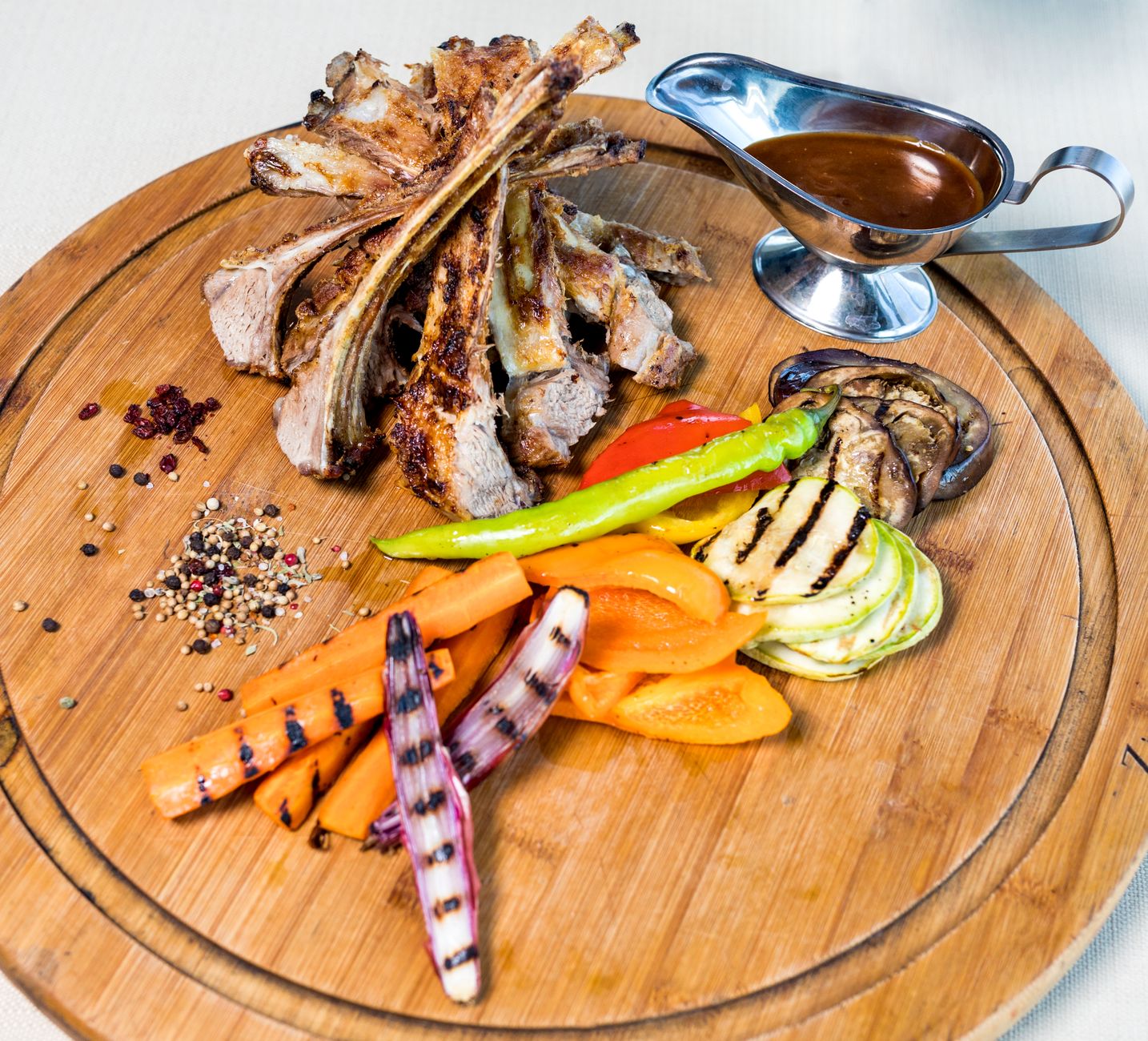
Mutton is a term that often leads to confusion, especially among those unfamiliar with meat terminology. In the culinary world, mutton specifically refers to the meat of a mature sheep, particularly one that is over a year old. It is known for its rich flavor and tenderness, making it a favorite in various cuisines around the globe.
This article will explore the characteristics of mutton, its culinary uses, popular cooking methods, serving ideas, and key tips for selecting and preparing this flavorful meat. Whether you’re new to cooking with mutton or looking to enhance your existing knowledge, this guide will provide you with practical insights.
Mutton Is What Animal?
Mutton comes from a mature sheep. Unlike lamb, which is from a young sheep typically less than a year old, mutton has a stronger flavor due to the sheep’s age, making it perfect for various recipes, particularly in stews and barbecues.
The Characteristics of Mutton
Mutton is characterized by its robust flavor and firmer texture. The meat has a higher fat content compared to lamb, leading to a richer taste that many find appealing. The fat also contributes to moisture during cooking, enhancing the overall eating experience.
Flavor and Texture
The depth of flavor in mutton can be attributed to the age of the sheep and its diet. Mutton typically has a stronger, earthier flavor when compared to the more delicate taste of lamb.
Color and Appearance
Mutton tends to be darker in color, with a deeper red hue than lamb. The meat also features more marbling (fat interspersed with muscle), which aids in flavor and tenderness when cooked properly.
Types of Mutton
Various cuts of mutton can be sourced from different parts of the animal. Common cuts include:
- Leg: Ideal for roasting and slow-cooking.
- Shoulder: Excellent for stews and braises.
- Loin: Suitable for grilling or frying.
- Ribs: Great for barbecuing or slow-roasting.
Culinary Uses of Mutton
Mutton is prized in numerous cuisines worldwide. Its rich flavor pairs well with strong spices and robust ingredients. Here are some popular culinary applications:
Global Dishes Featuring Mutton
- Indian Cuisine: Mutton is a staple in many Indian dishes, such as Rogan Josh and Biryani.
- Middle Eastern Cuisine: Mutton is featured in dishes like Lamb Kofta and Moussaka.
- European Cuisine: In British cuisine, mutton is traditionally used in shepherd’s pie or as roast mutton.
- Mediterranean Cuisine: Mutton kebabs and tagines are popular in Mediterranean cooking.
Popular Cooking Methods for Mutton
Different cooking techniques bring out the best in mutton. Here are some effective methods:
Roasting Mutton
Roasting is a classic method that allows the meat to develop a flavorful crust. Ideal for leg or shoulder cuts, roasting mutton involves seasoning and cooking it in the oven. A general guideline is to roast at 325°F (163°C) until the internal temperature reaches 145°F (63°C) for medium-rare.
Slow Cooking
Slow cooking is excellent for tougher cuts of mutton, as it makes the meat tender. It requires low temperatures over an extended period, which breaks down tough fibers. To slow-cook mutton, sear the meat first, then add it to a pot with broth and vegetables. Cook on low heat for 6 to 8 hours until tender.
Grilling and Barbecuing
Mutton is fantastic on the grill. Marinate it with spices and oil before grilling for added flavor. Ribs and loin chops are particularly well-suited for this method. Cook on medium-high heat, flipping occasionally until the desired doneness is achieved.
Stewing
Stewing mutton in liquid helps infuse flavors and creates a hearty dish. Cut the mutton into bite-sized pieces and brown them in a pot. Add liquids and vegetables and simmer until the meat is tender—this method is perfect for shoulder and shank cuts.
Serving Ideas for Mutton
Once prepared, mutton can be served in various appetizing ways. Here are some serving suggestions:
Pairing with Sides
- Serve roasted mutton with mashed potatoes and seasonal vegetables for a classic meal.
- Accompany stewed mutton with crusty bread or fluffy rice to soak up the rich sauce.
- Grilled mutton can be served on a bed of couscous or quinoa, topped with fresh herbs and lemon juice.
Presentations and Garnishes
Enhance mutton dishes by garnishing with fresh herbs like parsley or mint. Using citrus zest can also brighten the dish and add a refreshing contrast to the savory meat.
Tips for Selecting and Storing Mutton
Choosing quality mutton and proper storage techniques is crucial for ensuring optimal flavor and safety.
Selecting Mutton
- Look for bright red color and firm texture without off-putting odors.
- Select cuts with marbling for more flavor and tenderness.
- Check packaging dates to ensure freshness; buy from reputable butchers or suppliers.
Storage Recommendations
For the best shelf life for mutton:
- Store fresh mutton in the refrigerator and use it within 3 to 5 days.
- If not using immediately, freeze mutton. Wrap it tightly in freezer paper or plastic wrap and store in an airtight container to prevent freezer burn. It lasts about 6-12 months in the freezer.
Practical Substitutions for Mutton
While mutton has unique qualities, some other meats can substitute it in recipes when necessary:
- Lamb: The closest substitute, lamb has a milder flavor but works well in most mutton recipes with a slight adjustment in cooking times.
- Beef (in stews): For slow-cooked dishes, beef can be used, but this will change the flavor profile significantly.
- Pork (in certain dishes): Depending on the recipe, pork can be used as a substitute, though it will not replicate mutton’s distinct taste.
Avoiding Common Mistakes When Cooking Mutton
When cooking with mutton, aware of common pitfalls can help achieve better results.
- Overcooking: Mutton can become tough if overcooked. Use a meat thermometer to ensure you cook to the desired doneness.
- Insufficient seasoning: Mutton has a robust flavor, so seasoning is essential. Don’t shy away from using strong spices and herbs.
- Not allowing it to rest: Always let mutton rest after cooking. This allows juices to redistribute, keeping it moist.
Making Mutton Ahead of Time
Planning meals in advance can save time during busy days. Mutton is great for meal prep due to its ability to freeze and reheat without significant loss of quality.
Batch Cooking
Consider cooking a large pot of stewed or slow-cooked mutton at once. Portion it out and freeze for later meals. Simply thaw and reheat before serving.
Marinating Ahead
Marinating mutton can enhance its flavor. Prepare the marinade a day in advance and let the mutton soak overnight in the refrigerator for maximum flavor infusion.
Conclusion
Mutton offers a unique and flavorful option in the realm of meats, suitable for a variety of dishes and cooking methods. Whether you are roasting a leg for a family dinner or slow-cooking shoulder for comfort food, understanding how to select, prepare, and serve mutton will enhance your culinary repertoire.
For practical recipes and tips, consider exploring lamb ribs or ground lamb recipes to dive deeper into the world of sheep meat. Each provides unique ways to enjoy this versatile protein.