
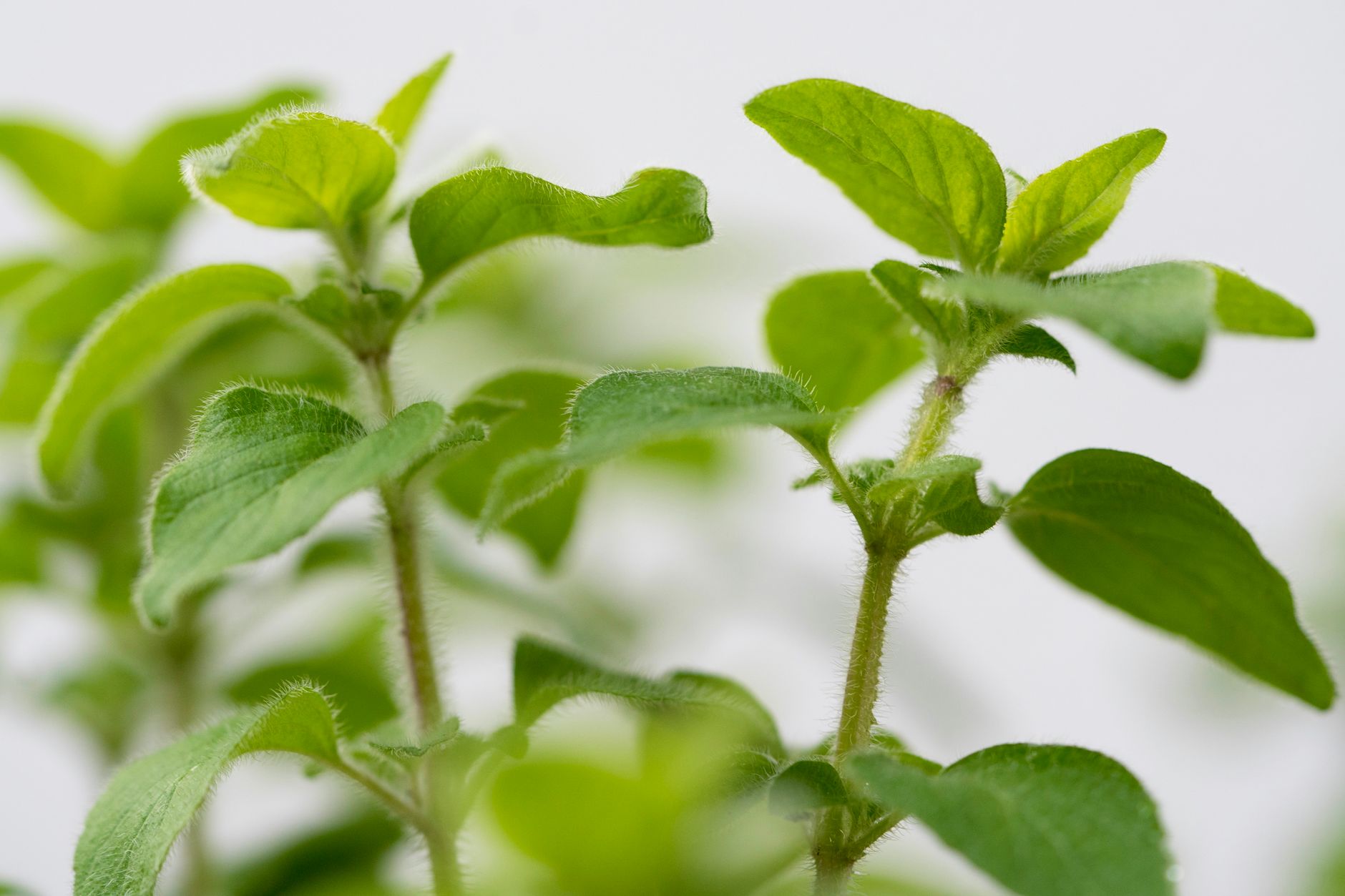
When it comes to cooking with herbs, oregano is a beloved choice known for its robust flavor. Understanding when to harvest oregano can greatly enhance both its taste and aromatic qualities in daily cooking. This guide will walk you through the best practices for timing, harvesting methods, and storage tips to help you make the most out of your oregano.
Harvesting oregano properly not only ensures that you have the freshest ingredients on hand, but it can also promote healthier plant growth. Whether you grow oregano in your garden or purchase it fresh from a market, knowing when and how to harvest will elevate your culinary experience.
When Should You Harvest Oregano?
The best time to harvest oregano is just before the plant begins to flower, typically when the leaves are at their most fragrant and flavorful. This is usually in late spring to early summer, especially in temperate growing zones. The leaves contain the highest essential oil concentration during this period, giving you the most flavorful herb.
It’s important to monitor your oregano plants closely. As summer progresses, the flavor of the leaves may become less intense after the flowers bloom. For the best culinary results, aim to harvest in the morning after the dew has dried but before the sun gets too hot. This timing helps retain the essential oils and flavors locked in the leaves.
Signs of Ripeness
Identifying ripe oregano leaves is crucial for optimum harvesting. Look for the following signs:
- Color: Leaves should be a vibrant green. Dull or yellowing leaves indicate that the plant might be overmature.
- Size: Leaves should be at least four inches long for mature plants.
- Fragrance: The aroma should be strong and fragrant. Less fragrant leaves may indicate they are past their prime.
Harvesting Techniques
Using the right techniques ensures that you don’t damage your oregano plants while harvesting. Here are the steps to effectively gather your oregano:
- Use Clean Tools: Always work with clean scissors or garden shears to avoid introducing any disease to your plant.
- Choose the Right Stems: Focus on harvesting the top of the plant. Aim for the tender stalks and avoid overly woody stems, which contain tougher, less flavorful leaves.
- Cut Back: To encourage further growth, cut back the stems to about one-third to one-half of the plant’s height. This will stimulate new growth and prolong the harvest.
- Avoid Overharvesting: Leave enough foliage on the plant for continued growth. Aim to harvest no more than one-third of the total plant.
How to Dry Oregano
If you prefer dried oregano for your cooking, here is a simple guide to drying your freshly harvested leaves:
- Clean the Leaves: Rinse the harvested oregano gently under cool water to remove any dirt or insects.
- Dry Thoroughly: Pat the leaves dry with a clean towel or place them on a clean drying rack. Make sure the leaves are completely dry before proceeding to prevent mold.
- Choose a Drying Method: There are several methods to dry oregano:
- Air Drying: Bundle stems together and hang them upside down in a warm, dry place with good air circulation for about 1–2 weeks.
- Oven Drying: Spread the leaves in a single layer on a baking sheet and place them in an oven set at the lowest temperature. Leave the oven door slightly ajar to allow moisture to escape, checking every 15 minutes until the leaves are crumbly.
- Dehydrator: Use a food dehydrator set to a low temperature (95°F or 35°C) according to the manufacturer’s instructions until dry.
- Store Properly: Once dried, store oregano in airtight containers away from light and heat. Glass jars, vacuum-sealed bags, or opaque containers work well.
Flavor Profile and Culinary Uses
Oregano has a warm, aromatic flavor with hints of earthiness and slight bitterness. Its boldness pairs well with a variety of dishes, including:
- Italian Cuisine: Ideal for sauces, pizza, and pasta dishes.
- Middle Eastern Dishes: Integral to seasoning meat, yogurt, and salads.
- Seasoning Vegetables: Adds depth when sprinkled onto roasted or grilled vegetables.
Buying Fresh Oregano
If you do not have the opportunity to grow your own oregano, consider the following tips when purchasing fresh oregano:
- Appearance: Look for vibrant green leaves without any yellow spots or wilting. The stems should be supple and firm.
- Aroma: A strong, aromatic smell indicates freshness. Give the leaves a gentle squeeze to check their fragrance.
- Organic Options: Consider buying organic oregano to avoid pesticides and to support sustainable farming practices.
Storage Tips for Fresh Oregano
To preserve the quality and flavor of fresh oregano, follow these storage tips:
- Refrigerator: Wrap fresh oregano in a damp paper towel and place it in a plastic bag to maintain moisture. Store it in the crisper drawer of your refrigerator.
- Root Method: Submerge the stems in a glass of water like fresh flowers and cover them with a plastic bag. Keep it in the refrigerator, changing the water regularly.
Common Mistakes in Harvesting Oregano
Avoiding common pitfalls can help maximize your oregano harvest:
- Harvesting at the Wrong Time: Picking oregano after flowering diminishes flavor and quality.
- Overharvesting: Taking too much foliage can weaken the plant. Always leave enough leaves for regrowth.
- Improper Drying Techniques: Drying at high temperatures can lead to loss of aroma. Aim for low heat and air circulation.
When to Use Fresh vs. Dried Oregano
Understanding the differences between fresh and dried oregano can enhance your dishes:
- Fresh Oregano: Best used in recipes where its flavor can shine, such as salads, light sauces, and garnishes. Use about three times the amount of fresh oregano when a recipe calls for dried.
- Dried Oregano: Ideal for slow-cooked dishes like stews or sauces, where the flavor can infuse more robustly. When cooking, crushed dried oregano is preferred to release more oils and aroma.
Conclusion
Harvesting oregano at the right time can significantly impact your cooking experience. Whether you choose to grow it at home or buy it fresh, knowing when your oregano is at its peak will ensure your meals are flavorful and aromatic. Always aim to harvest before flowering, use the proper techniques, and observe storage guidelines to keep your oregano fresh for longer.
For more insightful guides and tips, explore recipes that incorporate fresh herbs, seasoning techniques, or storage methods for other culinary staples.