
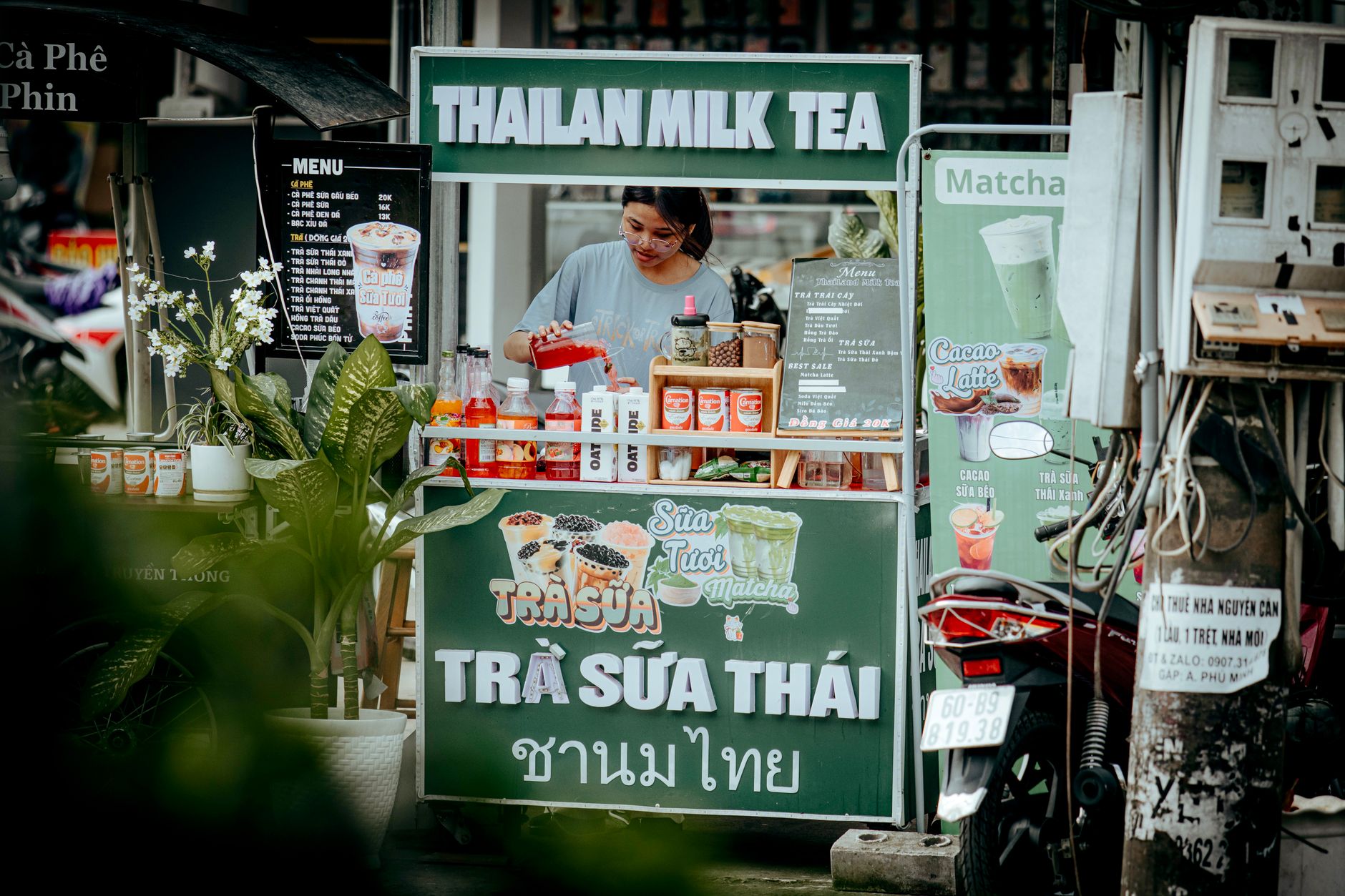
Boba, also known as bubble tea, has taken the world by storm with its chewy texture and delightful flavors. Made from tapioca pearls, boba adds a fun twist to a variety of drinks, making them an exciting option for those looking for something more than the usual beverage. Understanding how boba is made helps you appreciate this treat and empowers you to create your own at home.
This guide covers everything you need to know about making boba—from selecting the right ingredients to the step-by-step process of making it at home. Whether you’re preparing a delicious bubble tea or experimenting with various recipes, mastering the art of boba can be a rewarding experience.
How is Boba Made?
Boba is made by transforming tapioca starch into translucent, chewy pearls through a straightforward cooking process. The main ingredients include tapioca starch and water, and the method involves mixing, kneading, rolling, and cooking. The result is textured pearls that can be added to beverages or used as toppings.
Ingredients Used in Making Boba
The ingredients required to make boba are minimal yet specific. Below is a detailed list:
- Tapioca Starch (Tapioca Flour): This is the primary ingredient responsible for the characteristic chewy texture of boba.
- Water: It is used to hydrate the tapioca starch and create a dough.
- Brown Sugar (Optional): Used to add flavor and color to the boba, enhancing its taste.
- Food Coloring (Optional): For those looking to add a visual element, food coloring can be used to tint the boba pearls.
Essential Equipment for Boba Making
Using the right equipment can ensure success in your boba-making journey. Here’s what you’ll need:
- Mixing Bowl: For combining your ingredients.
- Rolling Pin: Helps to roll out the dough more evenly.
- Cutting Board or Clean Surface: To prepare the dough.
- Pot: For boiling the boba in water.
- Slotted Spoon: To remove boba from the boiling water.
- Measuring Cups and Spoons: For precise ingredient measurements.
Step-by-Step Method to Make Boba
Preparation Time
Preparation: 30 minutes
Cooking: 20 minutes
Total: Approximately 50 minutes
Making Boba Pearls
- Mixing the Dough
Start by measuring 1 cup of tapioca starch and placing it in a mixing bowl. Gradually add about 1/4 cup of boiling water while mixing with a spoon. The heat from the water will help the starch begin to gelatinize.
- Kneading the Dough
Once the mixture is cool enough to handle, knead the dough with your hands until it becomes smooth and pliable. If the dough is sticky, add more tapioca starch in small increments until it reaches the right consistency.
- Shaping the Pearls
Take small portions of the dough and roll them into balls about 1/4 inch in diameter. Ensure each pearl is evenly sized for even cooking. You can use a little bit of water on your hands to prevent sticking.
- Cooking the Boba
Bring a pot of water to a boil and lightly add the boba pearls. Stir gently to prevent them from sticking together. Cook for about 15-20 minutes, or until they float to the surface and become translucent. The cooking time may vary based on the size of the pearls.
- Cooling the Boba
After cooking, use a slotted spoon to transfer the boba to a bowl of cold water to stop the cooking process. Drain and rinse them under cold water to remove excess starch.
- Sweetening the Boba (Optional)
If you prefer sweet boba, prepare a mixture of 1/4 cup of brown sugar and 1/2 cup of water in a pot over medium heat and stir until dissolved. Add the cooked boba and let it simmer for about 5-10 minutes until the boba absorbs the sweetness. Allow it to cool before serving.
Serving Tips for Boba
Once your boba is made, enjoy it in various drinks or dishes. Here are some serving suggestions:
- Bubble Tea: The classic way to serve boba is in bubble tea. Prepare your favorite tea—black, green, or herbal—and mix it with milk, fruit, or syrups. Add the cooked boba and ice, and store it in a large cup with a wide straw for easy sipping.
- Milkshakes: Blending boba into a milkshake creates a unique texture. Pair your favorite ice cream with milk and boba for a delicious treat.
- Fruit Juices: Combine boba with fruit juices, such as mango or passion fruit, to create a refreshing drink that’s perfect for summer.
- Smoothie Bowls: Add boba to smoothie bowls topped with fruits, granola, or nuts for added texture and fun.
Common Mistakes and Troubleshooting
Making boba can be tricky for beginners. Here are some common mistakes and solutions:
- Too Sticky Dough: If the dough is too sticky, gradually add more tapioca starch while kneading until it becomes smooth.
- Boba Pearls Not Cooking Properly: If the pearls don’t become clear, they may need more cooking time. Keep boiling until they become translucent.
- Boba Pearls Hard or Chewy: Over-cooked pearls can become too hard. Make sure to watch the time closely while cooking.
Storing and Reheating Boba
While boba is best enjoyed fresh, leftovers can be stored correctly:
- Storing Cooked Boba: Store boba in a covered container with a bit of sugar syrup or water at room temperature for up to 12 hours. Do not refrigerate, as they can harden.
- Reheating: To reheat, cook the boba in boiling water for a few minutes until they are warm and soft again.
Variations and Substitutions for Boba
While traditional boba is made with regular tapioca starch, you can experiment with various ingredients to create unique flavors and textures:
- Sweet Potato Boba: Substitute some or all of the tapioca starch with sweet potato starch for a colorful twist.
- Colored Boba: Use natural food colorings like matcha powder or cocoa powder for different colors and flavors.
- Flavored Boba: Incorporate syrups or extracts, such as vanilla or almond, into the dough for a flavored boba.
Conclusion
Understanding how boba is made expands your culinary repertoire and allows you to create exciting drinks at home. With just a few simple ingredients and the right techniques, you can master the art of boba-making and impress friends and family with your bubble tea creations.
If you’re looking to continue exploring the world of beverages, consider trying out a taro milk tea recipe or refreshing mango sago recipe for more flavorful options!