
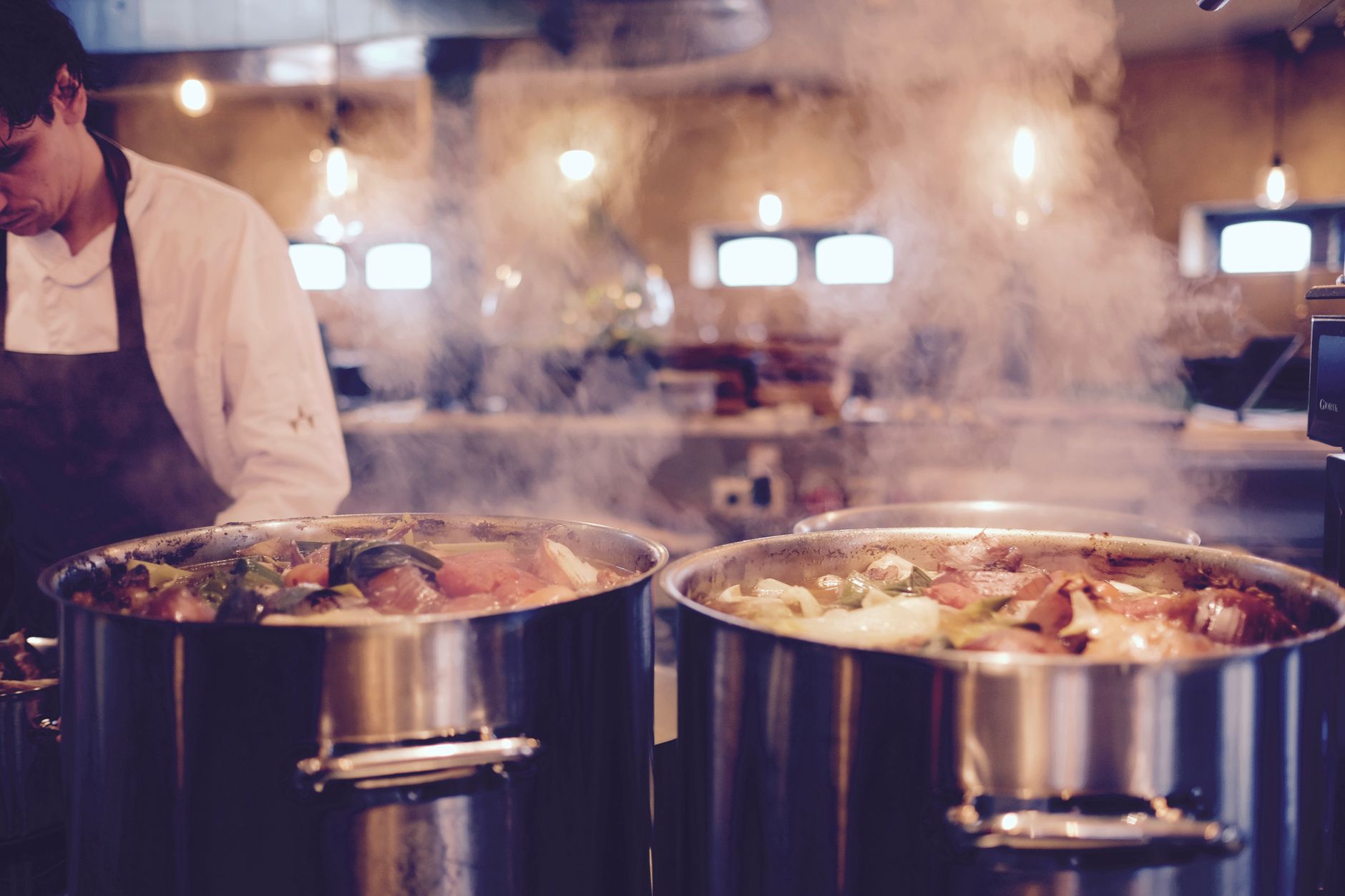
Mulligan stew is a hearty, rustic dish known for its versatility and rich flavors. Traditionally made using a variety of ingredients, mulligan stew can reflect what you have on hand, making it a budget-friendly option perfect for any season. Let’s explore the essence of this dish, from its ingredients to its culinary uses.
Originating from the improvisational cooking style of the Irish and early American settlers, mulligan stew is often seen as a symbol of communal cooking. Its delightful blend of meats and vegetables creates a comforting meal that is perfect for family gatherings or casual weeknight dinners.
What Is Mulligan Stew?
Mulligan stew is a type of stew that comprises a mixture of meats, vegetables, and often grains or legumes, cooked together to create a flavorful one-pot meal. The nature of this dish allows it to be highly customizable, making it an excellent choice for using leftover ingredients or whatever produce is in season.
Ingredients Typically Found in Mulligan Stew
The great thing about mulligan stew is that it can include a wide variety of ingredients depending on personal preferences or available items. Here’s a breakdown of common ingredients:
- Meats: Typically includes beef, pork, or chicken. Some recipes may feature lamb or even game meats.
- Vegetables: Carrots, potatoes, onions, celery, and peas are popular choices.
- Herbs and Seasonings: Commonly used seasonings include bay leaves, thyme, rosemary, salt, and pepper.’
- Liquid: A base of broth (chicken, beef, or vegetable) or water is essential to create the stew.
- Grains or Legumes: Barley, rice, or beans can add substance and texture.
Flavor Profile and Texture
Mulligan stew boasts a robust and hearty flavor profile. The combination of meats and vegetables simmers together, allowing the different tastes to meld beautifully. The broth can be rich and savory, with an aromatic quality from the herbs and spices. The texture is typically thick and satisfying, with tender chunks of meat and soft vegetables creating a comforting dish.
How to Make Mulligan Stew
Here’s a simple method to create a traditional mulligan stew that serves about 6-8 people. Total time is approximately 2 hours, including preparation and cooking time.
Ingredients
- 1.5 pounds of chunked beef or pork
- 1 onion, chopped
- 3 carrots, sliced
- 2 potatoes, diced
- 2 celery stalks, sliced
- 1 cup of peas (fresh or frozen)
- 4 cups of beef broth or vegetable broth
- 2 tablespoons of olive oil
- 2-3 bay leaves
- 1 teaspoon of dried thyme
- 1 teaspoon of dried rosemary
- Salt and pepper to taste
Essential Equipment
- Large heavy-bottomed pot or Dutch oven
- Knife and cutting board
- Wooden spoon or spatula
- Measuring cups and spoons
- Can opener (for broth, if necessary)
Step-by-Step Method
- Heat the olive oil in a large pot or Dutch oven over medium-high heat. Add the chunked meat and brown it on all sides.
- Once browned, remove the meat and set it aside on a plate. In the same pot, add the chopped onion, carrots, celery, and cook for about 5-7 minutes until the vegetables start to soften.
- Add the browned meat back into the pot, stirring to combine. Pour in the beef or vegetable broth and add the bay leaves, thyme, and rosemary.
- Bring the stew to a boil, then reduce the heat to low and cover. Let it simmer for about 1 to 1.5 hours, stirring occasionally, until the meat is tender.
- After 1 hour, add the diced potatoes and peas to the pot. Continue to simmer for an additional 30 minutes, or until all vegetables are tender.
- Once done, remove the bay leaves and season the stew with salt and pepper to taste. Serve hot.
Common Mistakes to Avoid
Cooking stew may seem straightforward, but some common mistakes can impact the final dish:
- Skipping Browning the Meat: Searing the meat first enhances its flavor and contributes to a richer broth.
- Cooking on High Heat: Stew benefits from slow, gentle cooking, allowing flavors to develop and meat to become tender. High heat can toughen the meat.
- Overcrowding the Pot: Ensure there’s enough space for the ingredients to cook evenly. If necessary, prepare in batches.
- Not Adjusting Seasoning: Season gradually. Adjust final seasoning at the end to avoid overpowering the stew.
Variations and Substitutions
Mulligan stew is incredibly adaptable. Here are some variations and substitutions to try:
- Meat Alternatives: Substitute ground turkey, sausage, or even tofu for a meatless option.
- Vegetarian Version: Use vegetable broth and load up on hearty vegetables like mushrooms, squash, or bell peppers. Consider adding lentils or beans for protein.
- Spices: Experiment with spices like paprika, cumin, or even curry powder for a different flavor profile.
- Grains: Use quinoa, farro, or chickpeas as a base to add nutritional value and variety.
Serving Suggestions
Mulligan stew is a complete meal on its own, but it can be paired with a variety of sides for an enhanced dining experience:
- Bread: Serve with crusty bread, rolls, or cornbread for dipping.
- Salad: A light side salad can offer a refreshing contrast to the stew.
- Cheese: A sprinkle of grated cheese can add creaminess to each bowl.
Storage and Reheating Tips
If you have leftovers or want to prepare mulligan stew in advance, here are some guidelines:
Store leftover stew in an airtight container in the refrigerator for up to 3-4 days. For longer storage, consider freezing the stew. Allow it to cool completely before transferring it to freezer-safe containers. Mulligan stew can be frozen for up to 3 months.
When ready to eat, thaw overnight in the refrigerator and reheat on the stove over low heat until warmed through. You may need to add a bit of broth or water to adjust the consistency.
Culinary Uses and Cultural Significance
Mulligan stew is more than just a meal; it carries a sense of community and tradition. Often prepared in large batches, it is perfect for gatherings or events where friends and family come together. The dish encourages improvisation, making it suitable for various cuisines and dietary preferences.
Its origins are steeped in the history of societal resilience during lean times, with many families finding ways to make the most of what they had. Today, mulligan stew can represent these shared experiences and cultural heritage.
Conclusion
Mulligan stew is not only a comforting dish but also a flexible, budget-friendly meal that can accommodate various tastes and preferences. With its hearty mix of ingredients, it emphasizes using what you have and allows for creativity in every bowl. Whether you enjoy it as a family dinner or a communal gathering dish, it’s sure to warm spirits and fill bellies.
Explore further recipes and cooking tips by checking out our delicious Cholent recipe or our hearty Rabbit stew recipe for more inspiration in your kitchen.