
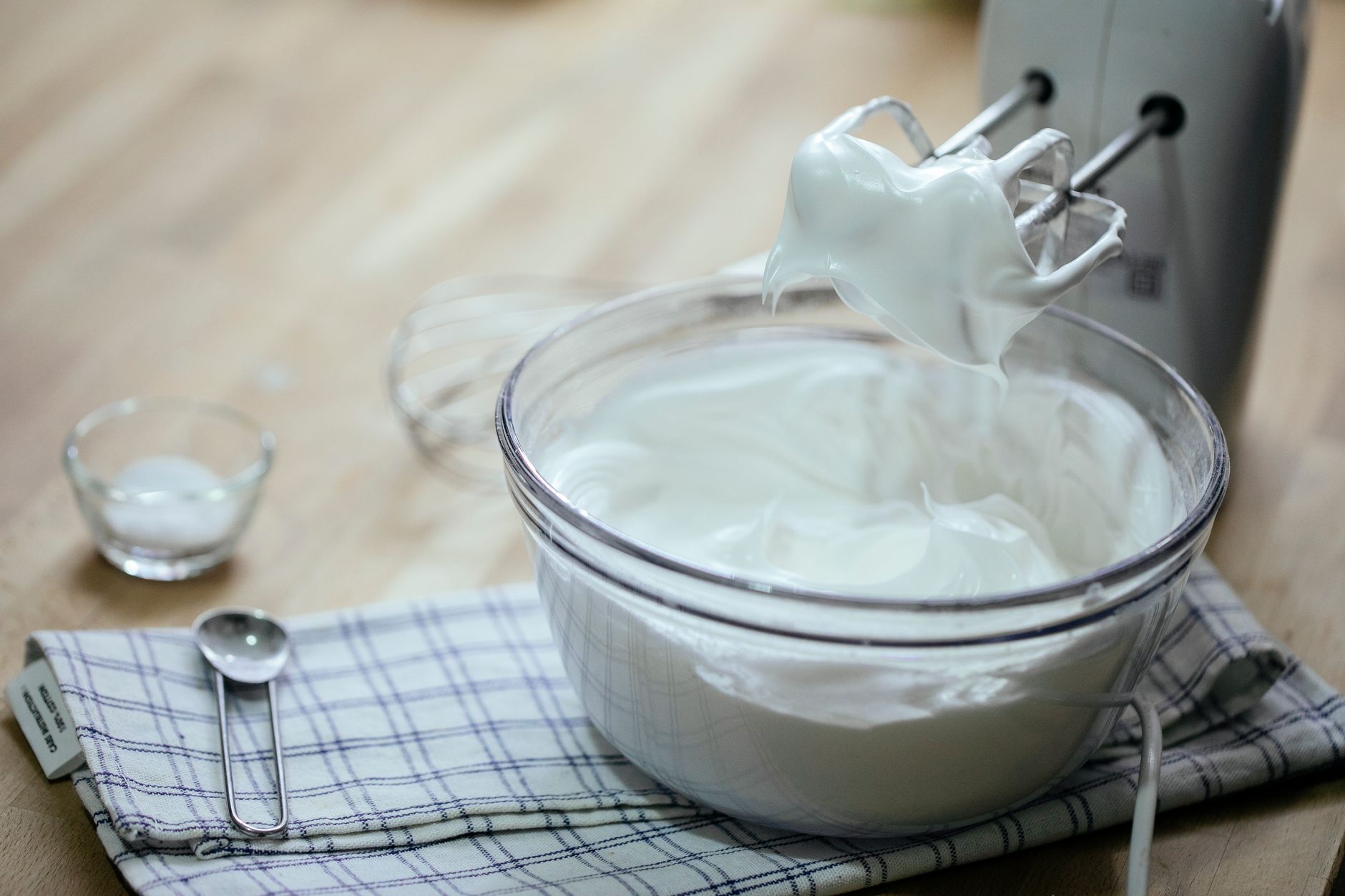
When it comes to cooking and baking, understanding the subtle differences in ingredients can make a significant impact on your dishes. Two commonly used dairy products that often cause confusion are heavy whipping cream and heavy cream. Knowing whether they are the same or have distinct properties can affect your recipes, ranging from luscious sauces to decadent desserts.
This article will delve into the specifics of heavy whipping cream and heavy cream, explore their culinary uses, compare their nutritional profiles, and provide helpful substitution suggestions along with practical insights for when to choose one over the other.
Is Heavy Whipping Cream Same as Heavy Cream?
Heavy whipping cream and heavy cream are very similar but not identical. Both contain a high fat content, which is crucial for creating rich textures. The primary difference lies in the fat content, with heavy whipping cream typically containing slightly more fat than heavy cream. This distinction can influence the texture and stability of whipped products.
Understanding Heavy Whipping Cream
Heavy whipping cream, also known simply as whipping cream, should contain a minimum of 36% milk fat. It is specially formulated to whip well, yielding a light and airy texture. Due to its higher fat content, heavy whipping cream can maintain its shape and stand up well in recipes that call for whipped toppings, mousses, or stable frostings.
Understanding Heavy Cream
Heavy cream, or heavy dairy cream, usually contains a minimum of 36% milk fat as well, which is why it is sometimes thought to be interchangeable with heavy whipping cream. However, it may sometimes have a slightly lower fat content, ranging between 36% to 40% milk fat. Heavy cream is also known for its ability to enhance the creaminess in soups, sauces, and custards without needing whipping.
Key Differences Between Heavy Whipping Cream and Heavy Cream
While heavy whipping cream and heavy cream are often used interchangeably in recipes, the differences may offer unique benefits depending on the culinary application:
- Fat Content: Heavy whipping cream typically has a higher fat content, averaging around 36% to 40%. Heavy cream can be on the lower end of that range.
- Whipping Efficiency: Heavy whipping cream is specifically designed to whip better due to its slightly higher fat content, making it more suitable for whipped toppings and desserts.
- Use in Cooking: Heavy cream lends a luscious mouthfeel to savory dishes and sauces, while heavy whipping cream is preferred when stable whipped cream is essential.
Culinary Uses
Both heavy operations are extensively used in various culinary applications, and understanding their roles can help you choose the right one for specific recipes.
Using Heavy Whipping Cream
Heavy whipping cream is ideal for many desserts and sweet applications due to its ability to hold air when whipped:
- Whipped Cream: The first choice for classic whipped cream topping for pies, cakes, and beverages. It maintains its structure better than regular cream.
- Desserts: Essential for mousses and decadent cakes where a light, airy texture is desired.
- Frostings: Works beautifully in making fluffy frostings or ganache that holds shape over time.
Using Heavy Cream
Heavy cream serves as a versatile ingredient, particularly in savory dishes:
- Soups and Sauces: Adds creaminess and body to creamy soups and sauces, enhancing flavors without the need for whipping.
- Custards and Puddings: Frequently used in custards, cheesecakes, and pudding recipes for rich texture and flavor.
- Baking: Can be used to create certain cake batters or as an enriching ingredient in baked goods.
Substituting Heavy Cream and Heavy Whipping Cream
In most cases, you can substitute heavy whipping cream for heavy cream and vice versa in recipes without affecting the outcome significantly. However, it is helpful to keep a few practical tips in mind:
Substitution Ratios
- If a recipe calls for heavy whipping cream and you have heavy cream on hand, you can use it in the same quantity.
- Conversely, if a recipe requires heavy cream and you only have heavy whipping cream, stick to the same volume measurement for consistent results.
Considerations for Substitution
Though you can often swap these creams, the outcome may slightly differ in specific applications:
- When making whipped toppings, heavy whipping cream will likely provide a stiffer peak and better stability.
- If using heavy cream in recipes that require whipped components, you may need to beat it longer to reach the desired fluffiness.
- In savory recipes, the extra fat in heavy whipping cream can create a richer dish, while heavy cream can still produce excellent results if your recipe demands it.
Nutritional Comparison
Understanding the fat content and nutritional aspects of heavy whipping cream and heavy cream can also help you make informed decisions:
| Type | Fat Content (% of total volume) | Calories (per tablespoon) | Vitamins & Minerals |
|---|---|---|---|
| Heavy Whipping Cream | 36% – 40% | 51-60 | Contains vitamin A, calcium, and phosphorus |
| Heavy Cream | 36% – 40% | 51-60 | Contains vitamin A, calcium, and phosphorus |
Both creams are calorie-dense due to their high-fat content, but they also provide essential vitamins and minerals beneficial for overall health. Moderation is key, especially if you are health conscious or monitoring caloric intake.
Common Mistakes to Avoid When Using Heavy Whipping Cream and Heavy Cream
To achieve the desired results when using either product, it’s crucial to avoid typical pitfalls:
- Overwhipping: If whipping heavy whipping cream, be cautious of overwhipping, as it can turn to butter.
- Temperature: Cream should be cold for optimal whipping texture. If it’s warm, it won’t whip properly.
- Not Chilling Equipment: For best whipping results, chill your mixing bowl and beaters in the fridge before use.
When to Choose One Over the Other
Determining which cream to use can depend on the type of dish you are preparing:
- If a recipe involves an airy whipped component, heavy whipping cream is typically the best choice.
- For rich sauces and desserts where stability isn’t paramount, heavy cream can provide creaminess without the need for whipping.
- In creamy soups or pasta sauces, heavy cream can enhance texture and mouthfeel.
Making a Choice Based on Recipe Needs
With the knowledge of when and how to use these dairy products, your cooking and baking endeavors can elevate in quality. Here are examples illustrating the decision-making process:
For Whipped Cream
When preparing a dessert that requires stable whipped cream, like a dark chocolate mousse, opt for heavy whipping cream. It will whip up light and fluffy, creating a perfect texture.
For Creamy Sauces
When making a luscious Alfredo pasta sauce, heavy cream works well. Its ability to create a silky consistency enhances the overall flavor while maintaining the sauce’s integrity.
For Baking
If a cake recipe calls for a creamy layer and mentions “whipping cream,” heavy whipping cream will likely be more appropriate. It helps achieve a stiffer aesthetic for frosted cakes.
Storage Tips for Heavy Cream and Heavy Whipping Cream
Proper storage is vital for extending the shelf life of heavy cream products:
- Refrigeration: Always store both creams in the coldest part of the refrigerator to ensure freshness.
- Seal Tightly: Make sure to reseal any containers completely after each use to prevent air exposure and potential spoilage.
- Expiration Dates: Keep an eye on the expiration date; both creams can typically last for about 1-2 weeks past this date if unopened but should be consumed more promptly once opened.
- Freezing Options: If you have leftover cream, freeze it! Pour it into ice cube trays for convenient use in recipes later.
Conclusion
Heavy whipping cream and heavy cream, while similar, have their distinct uses that can make a noticeable difference in your culinary creations. Understanding their differences allows users to optimize use based on specific recipes and desired outcomes. Whether you intend to whip up a frothy topping or create a velvety sauce, knowing which cream to follow can elevate your kitchen skills.
For those curious about using alternatives in recipes, check out our article on substituting milk for heavy cream or indulge in baking with our cinnamon roll recipe with heavy cream.