
When illness strikes, the right foods can significantly aid recovery. A carefully chosen diet not only enhances comfort but can also support your immune system. Understanding which foods to eat when you’re sick can make a world of difference, whether you’re combating a cold, the flu, or a stomach ailment.
This article explores the best foods to consume during illness, covering their benefits, key dietary considerations, and helpful meal ideas that can keep you nourished and hydrated while you recover.
What Are the Best Foods to Eat When You’re Sick?
The best foods to eat when you’re sick include broth-based soups, bananas, toast, rice, yogurt, and herbal teas. These foods can be soothing, easy to digest, and rich in nutrients that support the immune system.
Key Dietary Considerations
When you’re unwell, your body needs nutrients to aid in recovery. Here are some key considerations for your diet:
- Hydration: Stay hydrated to help alleviate symptoms such as fever and congestion.
- Nutrient density: Choose foods rich in vitamins and minerals to support the immune system.
- Digestibility: Opt for easy-to-digest foods if you have an upset stomach or reduced appetite.
- Comfort foods: Include familiar and comforting items that may help coax you to eat.
Best Foods for Sickness
1. Broth-based Soups
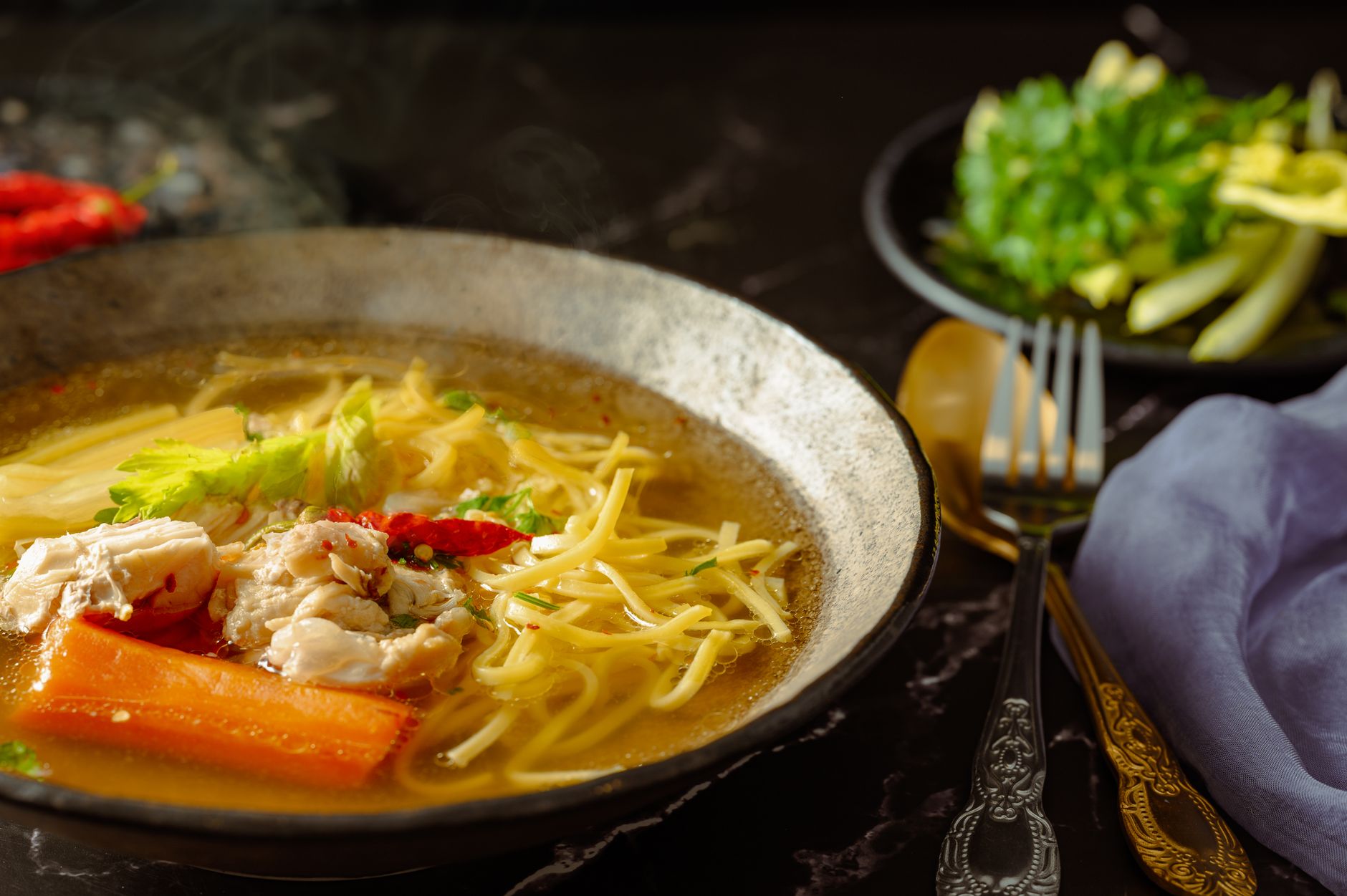
Broth-based soups are a classic remedy when you’re sick. They are easy to digest, provide hydration, and are loaded with nutrients. Chicken soup, in particular, has been found to contain anti-inflammatory properties that may ease symptoms of a respiratory infection.
Why It’s Beneficial
- Hydration: The broth keeps you hydrated.
- Warmth: Warm liquids soothe sore throats and nasal congestion.
- Nutrients: Depending on the ingredients, soups can be packed with vitamins and minerals.
2. Bananas
Bananas are an excellent food choice when feeling under the weather, especially if you’re experiencing nausea or digestive distress. They are bland but nutritious, easy to digest, and can help replenish lost electrolytes.
Why It’s Beneficial
- Easy on the stomach: Gentle for your digestive system.
- Rich in potassium: Helps maintain electrolyte balance.
- Natural sweetness: Can entice those with reduced appetites.
3. Toast
Plain, dry toast is another good food option, particularly if you are feeling nauseous. Toast is bland and easy to digest, which can help settle your stomach.
Why It’s Beneficial
- Digestibility: Plain toast is easily digestible.
- Comforting: Familiar and gentle on the stomach.
- Customizable: You can add toppings like honey or nut butter later as you feel better.
4. Rice
White rice is a starchy food that can help provide energy without irritating your stomach. It is often part of the BRAT diet (bananas, rice, applesauce, and toast) recommended for those recovering from gastrointestinal issues.
Why It’s Beneficial
- Energy: Provides carbohydrates for energy.
- Gentle: Can help bind stool and reduce gastrointestinal upset.
- Versatile: Can be paired with other soothing vegetables or proteins as you recover.
5. Yogurt
Plain yogurt filled with probiotics can be particularly beneficial when you are sick. It can support digestive health and restore gut flora, especially if you’ve been on antibiotics.
Why It’s Beneficial
- Probiotics: Helps restore healthy bacteria in your gut.
- Protein: Provides necessary protein for the body.
- Versatility: Can be consumed alone or added to smoothies.
6. Herbal Teas
Drinking warm herbal teas can provide comfort and aid in hydration. Chamomile, ginger, peppermint, and lemon teas are often recommended for their soothing properties.
Why It’s Beneficial
- Hydration: Provides hydration in a warm, soothing form.
- Soothing effects: Can help ease sore throats or congestion.
- Anti-inflammatory properties: Some herbal teas are known for their anti-inflammatory effects.
Foods to Avoid When Sick
While choosing the right foods is crucial, there are certain items that can exacerbate symptoms or cause discomfort.
- Caffeinated beverages: Can cause dehydration.
- Spicy foods: May irritate the stomach or throat.
- Fatty foods: Can be hard to digest and might worsen nausea.
- Dairy (if lactose intolerant): Can contribute to digestive discomfort for some.
Meal Ideas for When You’re Sick
Here are some comforting meal ideas that incorporate the aforementioned foods:
1. Chicken Soup
- Use a low-sodium chicken broth as the base.
- Add shredded chicken, carrots, celery, and noodles or rice for added nourishment.
- Season with herbs like parsley and thyme for flavor.
2. Banana Smoothie
- Blend bananas with yogurt and a splash of orange juice.
- Add a handful of spinach for extra nutrients if you’re feeling up to it.
- Optional: Include a scoop of protein powder for extra energy.
3. Rice and Steamed Vegetables
- Cook white rice and steam vegetables like zucchini and carrots.
- Season with a drizzle of olive oil and lemon juice for flavor.
- Include lean protein if desired, like grilled chicken or tofu.
4. Herbal Tea Varieties
- Brew chamomile or ginger tea and enjoy it warm.
- Add honey and lemon for added soothing benefits.
- Drink throughout the day to keep hydrated.
Practical Tips for Eating Well While Sick
Navigating food choices can be complicated when you’re unwell. Here are some practical tips for maintaining a nutritious diet during illness:
- Listen to your body: Eat when you feel hungry, and stop when you feel full.
- Stay hydrated: Keep water, herbal teas, or electrolyte drinks nearby.
- Small meals: Focus on smaller, more frequent meals instead of large ones.
- Food safety: Practice proper food handling and storage as your immune system may be compromised.
What to Eat After Vomiting
If you’re recovering from vomiting or nausea, it’s essential to reintroduce foods gradually. The BRAT diet (bananas, rice, applesauce, toast) is recommended to help settle the stomach before transitioning back to your usual diet.
Meal Prepping When Sick
Meal prepping can be beneficial even when you’re not feeling well. Preparing simple, nourishing meals in advance can save you effort and maintain a healthy diet while you recover.
How to Meal Prep
- Create a list of easy, nutritious meals that are calming on the stomach, focusing on the foods mentioned above.
- Choose a day when you feel reasonably well to bulk cook and package meals in single servings.
- Store meals in clear, labeled containers in the refrigerator or freezer to quickly access them when you’re ready to eat.
Conclusion
Choosing the right foods when you’re sick can aid your recovery by providing comfort, nutrition, and hydration. Broth-based soups, bananas, toast, rice, yogurt, and herbal teas are excellent choices to support your body as you heal. Remember to listen to your body’s needs and reintroduce foods carefully as you start to feel better.
For even more ideas, explore what to eat after vomiting or try a restorative medicine ball recipe. These resources can provide additional guidance to ensure you’re nourishing your body properly during recovery.