
Buttermilk is a common ingredient in many recipes, especially in baking, where it adds moisture and a pleasant tang to dishes like pancakes, muffins, and cakes. However, there may be times when you need a substitute due to dietary restrictions, lack of availability, or simply running out. Understanding what you can use instead of buttermilk can help ensure that your baking and cooking continue smoothly.
This article explores various alternatives to buttermilk, providing practical guidance on how to use them effectively in an array of recipes. From dairy-based substitutes to vegan options, you’ll discover how to achieve that signature tangy flavor and creamy texture without the traditional buttermilk.
What Can I Use Instead of Buttermilk?
Instead of buttermilk, you can use a variety of substitutes based on what you have on hand or your dietary needs. Common substitutes include plain yogurt, milk with vinegar or lemon juice, sour cream, and nut milk blended with vinegar. Each alternative has its own unique properties, which we will discuss in detail.
Common Buttermilk Substitutes
- Plain Yogurt: Use plain yogurt (full-fat or low-fat) as a direct substitute for buttermilk at a 1:1 ratio. Yogurt provides a similar tangy flavor and creamy texture, enhancing the richness of baked goods.
- Milk and Vinegar: Mix one tablespoon of white vinegar or lemon juice into a measuring cup and add enough milk (whole, low-fat, or non-dairy) to make one cup. Let it sit for about 5-10 minutes. This combination will thicken and curdle slightly, mimicking buttermilk’s acidity.
- Sour Cream: Sour cream is another excellent substitute. Use it as a direct 1:1 replacement for buttermilk. Its creamy texture and tangy flavor contribute well to baking recipes.
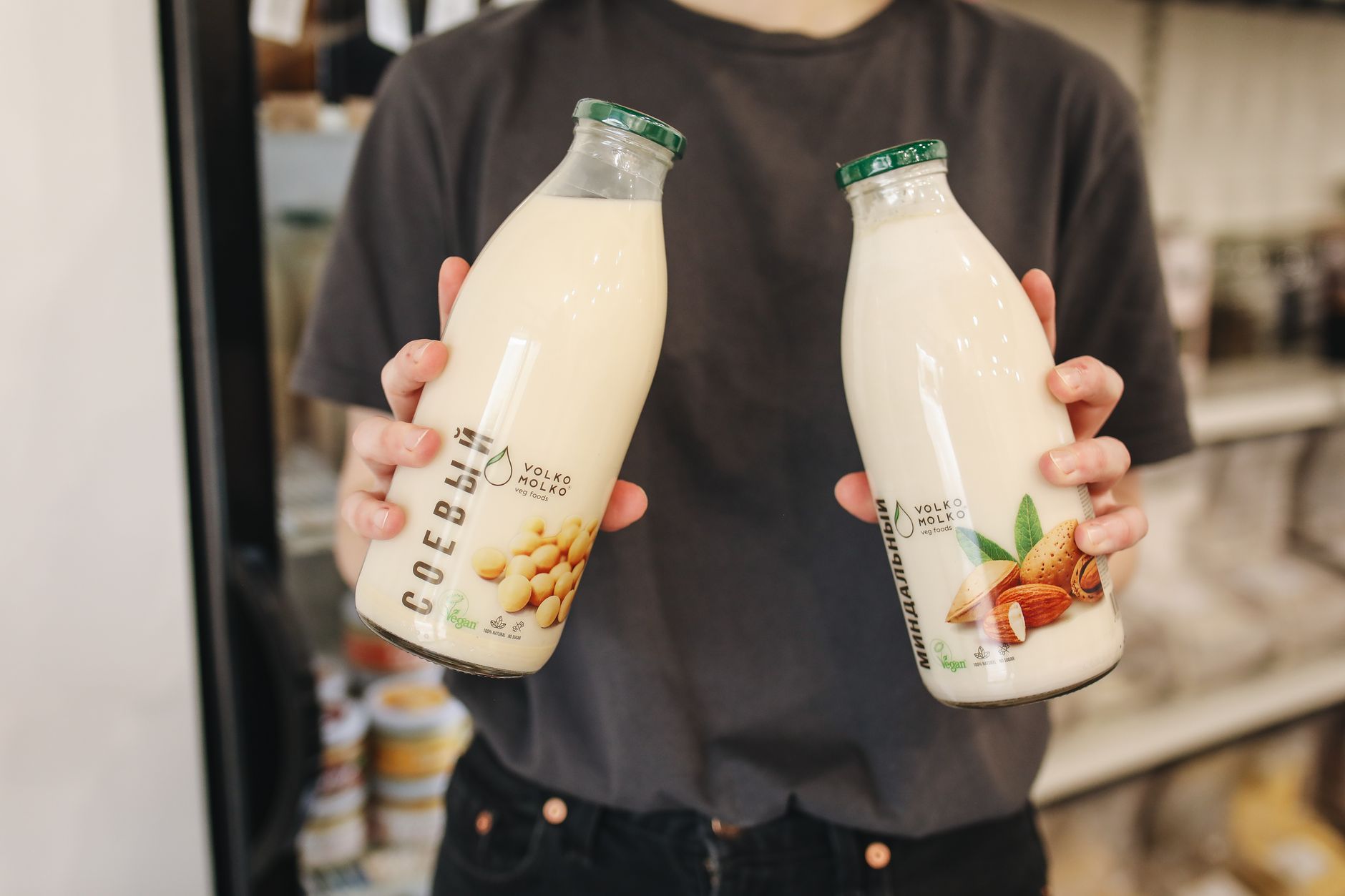
- Nondairy Milk Options: For a vegan alternative, mix one tablespoon of vinegar or lemon juice with one cup of almond, soy, or coconut milk. Let it sit for 5-10 minutes to create a buttermilk-like consistency.
- Milk and Cream of Tartar: Combine one cup of milk (whole or low-fat) with 1.5 teaspoons of cream of tartar. Stir well until mixed. This substitute offers a thick, acidic liquid suitable for recipes requiring buttermilk.
- Coconut Milk: Use canned coconut milk mixed with a bit of acidity from lemon juice or vinegar to create a creamy, vegan-friendly buttermilk substitute.
Practical Uses of Each Substitute
1. Plain Yogurt
Plain yogurt can enhance moisture and flavor in baked goods. It works particularly well in recipes like:
- Pancakes
- Waffles
- Cakes
- Muffins
For a healthier choice, consider using Greek yogurt. It has a thicker consistency that can create denser baked goods.
2. Milk and Vinegar
This is one of the easiest substitutes and can be made with ingredients typically found in most kitchens. The acidity of the vinegar balances the alkaline nature of baking soda in recipes. Use it for recipes like:
- Biscuits
- Cupcakes
- Quick bread
3. Sour Cream
Sour cream provides a rich flavor and moisture. It is particularly useful in recipes requiring a creamier texture, such as:
- Frostings
- Cakes requiring a dense crumb
- Brownies
4. Nondairy Milk Options
For those following a vegan lifestyle or with lactose intolerance, nondairy milk mixed with an acid is a great choice. You can use this substitute in any recipe that requires buttermilk, but it’s particularly suited for:
- Vegan pancakes
- Vegan muffins
- Vegan cakes
5. Milk and Cream of Tartar
This combination also works well in recipes needing buttermilk’s acidity and consistency. It is particularly good for:
- Sugar cookies
- Pound cakes
- Frostings
6. Coconut Milk
Coconut milk adds a rich flavor, making it advantageous in tropical or lightly sweet recipes such as:
- Pineapple upside-down cake
- Vegan baked goods
- Curry dishes requiring creaminess
How to Choose the Right Substitute
When selecting a replacement for buttermilk, consider the following factors:
- Flavor: Choose a substitute that complements the dish you are making. For instance, yogurt or sour cream will add richness, while vinegar or lemon juice will enhance acidity.
- Texture: Think about the final texture you want in your baked good. For denser recipes, Greek yogurt may be preferable, whereas milk and vinegar can create lighter fluffy textures.
- Dietary Preferences: If you are baking for someone with dietary restrictions, like lactose intolerance or vegan preferences, adjust your choice accordingly.
Examples of Recipes Requiring Buttermilk and Their Substitutions
Fluffy Buttermilk Pancakes
These fluffy pancakes benefit from the acidity of buttermilk for lightness. If you don’t have buttermilk, use milk and vinegar or yogurt, adjusting the liquid in your recipe.
- Yield: 4 servings
- Preparation time: 10 minutes
- Cooking time: 15 minutes
Use the following ingredients:
- 1 cup all-purpose flour
- 2 tablespoons sugar
- 1 teaspoon baking powder
- 1 teaspoon baking soda
- 1/2 teaspoon salt
- 1 cup buttermilk substitute (milk and vinegar or yogurt)
- 1 egg
- 2 tablespoons melted butter
Preparation steps:
- In a mixing bowl, whisk together the flour, sugar, baking powder, baking soda, and salt.
- In another bowl, mix the buttermilk substitute, egg, and melted butter.
- Combine both mixtures, stirring gently until just mixed; some lumps are normal.
- Heat a skillet over medium heat and grease lightly.
- Pour 1/4 cup batter for each pancake, cook until bubbles form, then flip and brown the other side.
Southern Buttermilk Biscuits
These biscuits need buttermilk for the flaky, tender texture. If you’re out, reach for plain yogurt, or mix milk and vinegar.
- Yield: 6 biscuits
- Preparation time: 15 minutes
- Cooking time: 15 minutes
Ingredients include:
- 2 cups all-purpose flour
- 1 tablespoon baking powder
- 1/2 teaspoon baking soda
- 1 teaspoon salt
- 1/4 cup cold butter, cubed
- 3/4 cup buttermilk substitute (milk and vinegar or yogurt)
Preparation steps:
- Preheat the oven to 450°F (232°C).
- In a bowl, mix the flour, baking powder, baking soda, and salt.
- Cut in butter until the mixture resembles coarse crumbs.
- Add the buttermilk substitute and stir until just combined.
- Turn out onto a floured surface and gently knead for 30 seconds.
- Roll out and cut into rounds. Place on a baking sheet.
- Bake for 12-15 minutes until golden brow.
Common Mistakes When Substituting for Buttermilk
While substituting for buttermilk can be straightforward, there are potential pitfalls to avoid:
- Using Regular Milk Alone: Plain milk lacks the acidity needed for many baking reactions. Always add an acid like vinegar or lemon juice to mimic buttermilk.
- Not Letting the Mixture Sit: Give the milk and vinegar mixture or non-dairy milk enough time to curdle; otherwise, it won’t provide the intended tang.
- Ignoring Consistency: Some substitutes, like yogurt, may require thinning with a bit of milk or water to achieve the right consistency.
- Forgetting Acidity Needs: Because buttermilk contributes acidity to recipes, ensure your alternative retains that quality, especially in recipes that depend on baking soda.
Storage Tips for Buttermilk Substitutes
Storing your buttermilk alternatives properly can extend their shelf life:
- Yogurt. Store yogurt in the fridge and use it by the expiration date. It can be kept for a few weeks if unopened.
- Homemade Milk and Vinegar. Use this mixture immediately; do not store it for later use as it loses effectiveness and safety.
- Sour Cream. Refrigerate sour cream and use within 1-2 weeks after opening.
- Nondairy Milk. When unopened, almond or soy milk generally lasts longer, about 7-10 days after opening if kept refrigerated.
Conclusion
Substituting for buttermilk is made easy with a variety of options that retain the necessary acidity and moisture for your recipes. Whether you reach for yogurt, milk with vinegar, or a nondairy alternative, you’ll be able to maintain the desired flavor and texture of your baked goods. Always consider the specific requirements of your recipe and the dietary preferences of your guests to select the most suitable option.
Explore related recipes and cooking tips for more inspiration in your kitchen. Check out our guides on using rosemary as a substitute and alternatives for vanilla extract.