
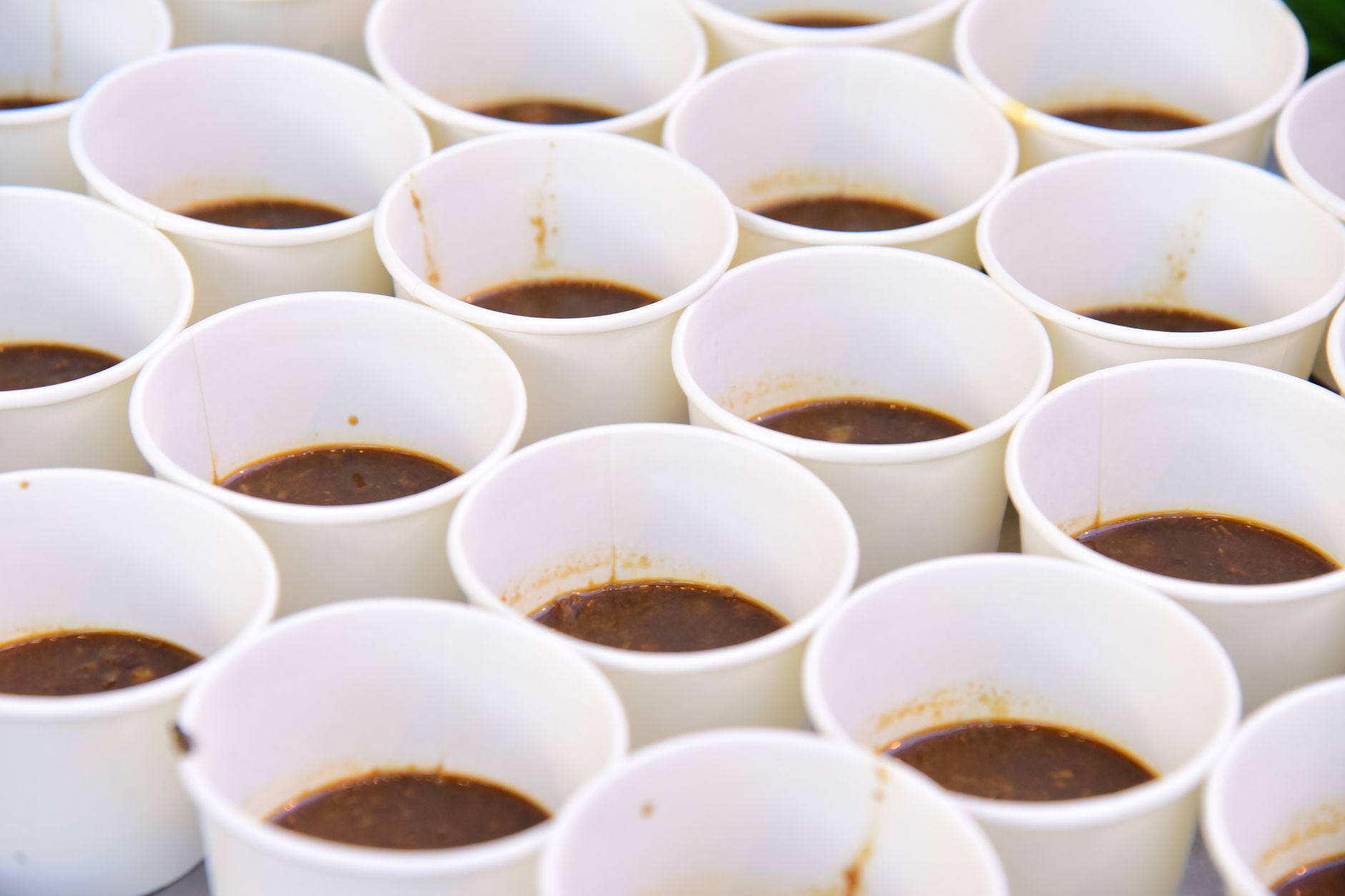
Colada coffee, also known simply as colada, is a Cuban coffee drink that boasts rich flavor and a strong caffeine punch. Typically served in a small cup, this espresso-based beverage has a distinct sweetness thanks to its preparation method, which incorporates sugar during the brewing process. Simply put, a colada is not just a drink; it’s a cultural experience, often enjoyed in social settings.
In this article, we will explore the taste, texture, and various uses of colada coffee. Including how to prepare the drink at home, equipment needed, and tips for the perfect brew, this guide will cater to both coffee enthusiasts and casual drinkers looking to add a touch of Cuban café culture to their routine.
What Is a Colada Coffee?
A colada coffee is an espresso-based drink originating from Cuba, typically enjoyed in social contexts. It differs significantly from other coffee preparations due to the use of sugar, which is added during the brewing process, creating a uniquely sweet and robust flavor profile. The drink is often served in a larger cup, with smaller cups available for sharing, making it a social brew.
Flavor Profile of Colada Coffee
The flavor of colada coffee is intense and sweet. The espresso used is rich and bold, balanced by the sugar that is dissolved during brewing. The sweetness brings out the coffee’s natural flavors, resulting in a smooth yet vibrant drink that is far from bitter. Many liken it to the taste of Italian espresso but with a distinctly sweet twist.
Texture of Colada Coffee
Colada coffee possesses a luxurious, velvety texture, primarily due to the brewing method. The sugar not only sweetens the coffee but also creates a creamy mouthfeel. When poured, a colada often has a frothy top, adding to its enticing texture. This makes each sip satisfying and enjoyable, as the richness complements the caffeine kick.
Equipment Needed to Prepare Colada Coffee
To prepare colada coffee at home, you will need the following equipment:
- Espresso machine or Moka pot: Essential for brewing espresso.
- Small cup or demitasse: For serving the colada.
- Stirring spoon: For mixing the sugar and coffee.
- Coffee scale (optional): To measure coffee grounds accurately.
Ingredients for Colada Coffee
Here are the main ingredients needed to make a colada:
- Freshly ground coffee (preferably Cuban coffee): 2 to 4 tablespoons
- Water: Approximately 6 ounces
- Sugar: 2 to 4 teaspoons (adjust to taste)
How to Prepare Colada Coffee
Here’s a simple step-by-step guide on how to prepare colada coffee:
- Prepare the espresso: If using an espresso machine, use the portafilter to pack the coffee grounds firmly. For a Moka pot, fill the bottom chamber with water and the middle section with coffee grounds, ensuring there are no clumps.
- Brew the coffee: Start the brewing process, whether through an espresso machine or Moka pot. If using an espresso machine, brew until you have a rich espresso. If using a Moka pot, heat until you hear a hissing sound indicating the coffee is ready.
- Add sugar: While the coffee is brewing, add the desired amount of sugar to a small mixing bowl or cup. Once brewed, pour about one ounce of hot espresso directly onto the sugar.
- Mix the sugar and espresso: Stir vigorously to dissolve the sugar into the espresso, creating a sweet syrup. Aim for a slightly lighter color to indicate that the sugar is fully incorporated.
- Combine the coffee: Add the rest of the brewed espresso to the sweetened syrup and stir gently.
- Serve: Pour the colada into small cups, garnished with a sprinkle of fine coffee grounds if desired. Enjoy with friends!
Practical Tips for the Perfect Colada
Here are some essential tips to consider when making colada coffee:
- For the best results, use freshly ground coffee. The grind should be fine, similar to that of table salt.
- Experiment with the sugar level to find your sweet spot. For a less sweet version, start with less sugar and adjust in subsequent attempts.
- Colada is best enjoyed fresh, so prepare only what you need for immediate consumption.
- Consider using traditional Cuban coffee such as “Café Bustelo” or “Pilón” for an authentic experience.
Colada vs. Other Coffee Types
Understanding how colada compares to other popular coffee drinks can enhance your appreciation of this unique beverage:
Espresso
Espresso is the base for colada, but it is served without added sugar. Colada features the sweetness of sugar blended into the coffee, providing a vastly different experience.
Cafecito
Cafecito is a Cuban coffee similar to colada, but it is typically served in smaller portions and is sweeter. The preparation methods are not fundamentally different, with both incorporating sugar into the brewing process.
Cappuccino
Cappuccino consists of espresso, steamed milk, and frothed milk. The primary difference is in the creamy texture and moderate sweetness of a cappuccino compared to the intense sweetness and robust flavor of colada.
Colada Coffee: A Cultural Experience
Beyond its taste and texture, colada coffee is deeply rooted in Cuban culture. Often shared among friends or family during gatherings, it fosters connection and conversation. It is not just a beverage but a social ritual that embodies Cuban hospitality. The act of sharing colada among many small cups encourages communal interaction, making it an essential part of Cuban social life.
Variations and Adaptations
While the traditional recipe is beloved, several adaptations exist to cater to different tastes:
Flavored Colada
Consider adding vanilla or cinnamon to your sugar during preparation for an aromatic twist. This addition can enhance the overall flavor experience.
Decaffeinated Colada
For those limiting caffeine intake, using decaffeinated coffee grounds will yield a similar sweetness and texture without the added caffeine stimulation.
Iced Colada
In warmer months, consider serving colada over ice for a refreshing take. Blend the sweetened espresso with ice and milk for a creamier treat.
Common Mistakes and Troubleshooting
Even experienced coffee drinkers can encounter issues when preparing colada. Here are some common mistakes and how to avoid them:
- Too Bitter: If your colada tastes overly bitter, it could be due to over-extraction during brewing. Ensure the brewing time is kept short, especially with espresso, and avoid using too fine a coffee grind.
- Not Sweet Enough: Always start with an appropriate amount of sugar. Remember that the sweetness significantly enhances the coffee experience, so don’t hesitate to adjust as necessary.
- Inconsistent Texture: The texture can vary if not stirred properly. Ensure that the sugar is fully dissolved before adding the remaining brew to create a consistent mouthfeel.
Serving Suggestions
Colada coffee is best enjoyed as part of a meal or snack. Here are some suggestions:
- Pair it with classic Cuban pastries like pastelitos or flan.
- Enjoy it alongside breakfast dishes, such as eggs and Cuban bread.
- Colada can also serve as a pick-me-up in the afternoon, perfect for socializing or enjoying alone.
Make-Ahead Tips
While colada coffee is best enjoyed fresh, you can prepare specific components in advance:
- Pre-grind your coffee and store it in an airtight container to save time.
- You can sweeten espresso and store it in the refrigerator for a day. Stir before serving to re-integrate the sugar content.
Storage and Reheating Guidance
Colada coffee is not recommended for long-term storage and is best enjoyed fresh. If you have leftover brewed colada, store it in an airtight container in the refrigerator for up to 24 hours. When reheating, do so gently on the stovetop or microwave, but keep in mind that the texture may not be as optimal as when freshly made. It is advisable to consume it quickly for the best experience.
Colada coffee represents not only a refreshing beverage but also a cultural touchstone and social tradition. By experimenting with flavors and preparation techniques, you can first-hand experience the richness of Cuban coffee culture. Whether you sip, share, or savor it alone, colada has the power to elevate your coffee routine to something more meaningful.
If you want to explore more coffee recipes or cooking tips, consider trying a protein coffee recipe or learning how to make coffee syrup. Each offers a unique twist on enjoying coffee in various forms.