
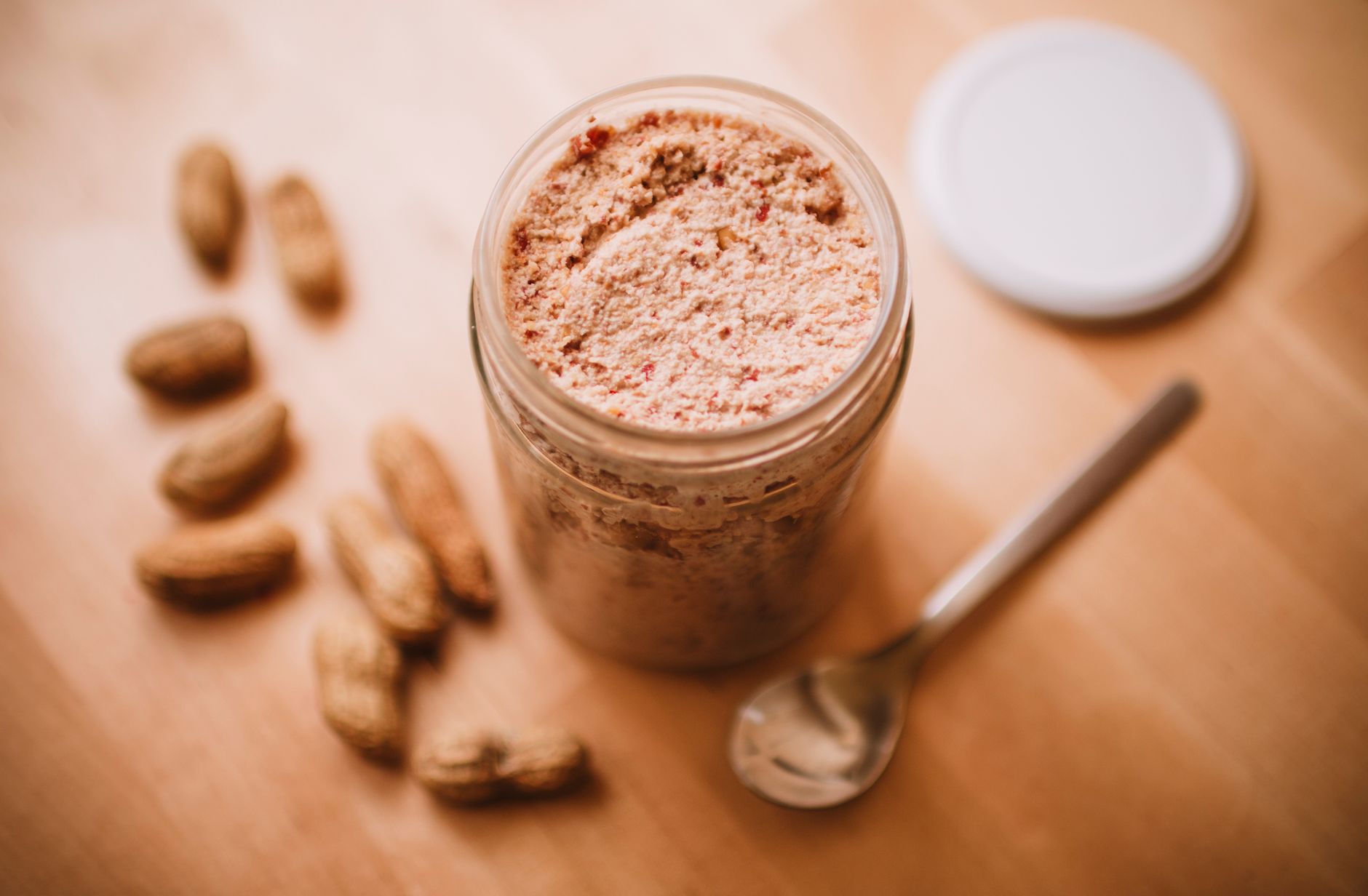
Peanut butter is a beloved staple in many kitchens, often associated with comfort and nostalgia. Known for its creamy texture and rich flavor, it adds a delightful twist to snacks and meals. But what about its health implications, particularly regarding gut health? This article explores the nutritional profile of peanut butter and how it may impact your gut health.
Is peanut butter a gut-friendly option? The answer lies in its composition. Peanut butter is rich in healthy fats, protein, and fiber, which can all contribute positively to gut health. However, moderation is key, as overconsumption can lead to unwanted health outcomes. Here, we will delve into the various components of peanut butter, their potential effects on gut health, ideal portion sizes, and practical ways to enjoy this versatile ingredient.
Is Peanut Butter Good for Gut Health?
Peanut butter can be beneficial for gut health due to its fiber content and healthy fats. Fiber aids digestion by promoting regular bowel movements and feeding beneficial gut bacteria. Additionally, the healthy fats present in peanut butter may help to maintain the integrity of the gut lining, promoting overall gut health.
The Nutritional Profile of Peanut Butter
Understanding what peanut butter brings to the table begins with a closer look at its nutritional profile. On average, two tablespoons of peanut butter contain approximately:
- Calories: 190-210
- Protein: 7-8 grams
- Fat: 16-18 grams (mostly unsaturated fats)
- Carbohydrates: 6-7 grams (with 2-3 grams of dietary fiber)
- Sugars: 1-3 grams
- Vitamins and Mineral: Vitamin E, Magnesium, Potassium, Phosphorus
Peanut butter’s primary component, protein, helps build and repair tissues, while its high fat content, particularly heart-healthy unsaturated fats, can help lower bad cholesterol levels. Fiber, a critical element for digestive health, plays a pivotal role in shaping how peanut butter influences gut health.
How Peanut Butter Affects Gut Health
Several components in peanut butter contribute positively to gut health, making it a great addition to many diets.
1. Fiber: The Key to Digestive Health
Fiber is essential for a healthy gut. It aids in regular bowel movements and prevents constipation. The fiber found in peanut butter helps feed the gut microbiota, promoting the growth of beneficial bacteria while suppressing harmful bacteria. A high-fiber diet is associated with improved gut health and reduced risks of gastrointestinal conditions.
2. Healthy Fats and Gut Integrity
The healthy fats in peanut butter, particularly monounsaturated fats, help to maintain the gut lining’s integrity. A strong gut lining is vital for preventing leaky gut syndrome, where toxins and bacteria escape from the intestines into the bloodstream. By consuming healthy fats, you support your gut’s barrier function and overall health.
3. Antioxidants and Anti-Inflammatory Effects
Peanuts are also rich in antioxidants, which can help reduce inflammation in the gut. Chronic inflammation in the gut is linked to various health issues, including irritable bowel syndrome (IBS) and inflammatory bowel disease (IBD). The antioxidants found in peanut butter may aid in reducing gut inflammation and polishing your gut health.
4. Biologically Active Compounds
Peanuts contain biologically active compounds such as resveratrol, which may have additional health benefits. These compounds can contribute to gut health by promoting a balance between different types of gut bacteria, leading to a healthier gut microbiome.
Potential Downsides and Considerations
While peanut butter has numerous health benefits, it is not without potential downsides.
1. Allergies
One of the most significant concerns with peanut butter is its potential to trigger allergic reactions in some individuals. Peanut allergies can be severe and, in some cases, life-threatening. If you or someone in your household has a peanut allergy, it is crucial to avoid peanut butter altogether.
2. High Caloric Content
Peanut butter is calorie-dense, and while it has health benefits, overconsumption can lead to weight gain. It is essential to keep portion sizes in mind, especially if you are trying to manage your weight. Stick to recommended serving sizes to ensure you enjoy the benefits without excess calories.
3. Added Ingredients
Not all peanut butter is created equal. Processed varieties often come with added sugars, salt, and hydrogenated oils, which can negate some of its health benefits. Always check ingredient labels and opt for natural or organic peanut butter, which typically contains just peanuts and possibly a pinch of salt.
What is the Ideal Portion Size?
Moderation is key when it comes to consuming peanut butter for gut health. A typical serving size is around two tablespoons, which provides enough nutrients without excessive calories. Here are some practical tips for portion control:
- Measuring Spoons: Use measuring spoons to portion out peanut butter rather than scooping from the jar.
- Spread it Thin: When making sandwiches, opt for a thin layer instead of a thick application.
- Bowl Size: If using peanut butter as a dip, use smaller bowls to help manage portions.
Delicious Ways to Include Peanut Butter in Your Diet
Now that we’ve established the benefits and ideal portions let’s look at creative ways to incorporate peanut butter into your meals and snacks.
1. Breakfast Options
Kick-start your day with peanut butter-flavored breakfasts. Try:
- Peanut Butter Banana Smoothie: Blend banana, peanut butter, Greek yogurt, and a splash of almond milk for a creamy breakfast shake.
- Peanut Butter Oatmeal: Stir in a spoonful of peanut butter into your warm bowl of oatmeal, adding a delightful nutty flavor and creamy texture.
2. Snack Ideas
Snacks are an excellent time to enjoy peanut butter. Here are some suggestions:
- Apple Slices with Peanut Butter: Combine fresh apple slices with a smear of peanut butter for a satisfying and nutritious snack.
- Peanut Butter Celery Sticks: Fill celery sticks with peanut butter for a crunchy, protein-packed option.
3. Lunch and Dinner Options
Peanut butter can also enhance savory dishes. Consider:
- Peanut Butter Stir-Fry Sauce: Mix peanut butter with soy sauce, garlic, and ginger for a flavorful sauce to toss with stir-fried vegetables or protein.
- Thai Peanut Noodles: Combine cooked noodles with a peanut sauce for a tangy, filling dish.
4. Dessert Delights
Do not forget about dessert! Peanut butter can add richness and flavor to your sweet treats:
- Peanut Butter Cookies: Create a classic cookie recipe that highlights peanut butter’s rich flavor.
- Peanut Butter Fudge: A delicious treat that can easily be made at home with just a few ingredients.
Common Mistakes When Using Peanut Butter
Even with its benefits, there are common pitfalls when using peanut butter that can be avoided:
1. Focusing Only on Flavored Varieties
While chocolate or honey peanut butter may sound appealing, they often contain added sugars and calories. Stick to natural varieties with no added ingredients for health benefits.
2. Not Considering Allergies
Ensure that you and those around you do not have peanut allergies before sharing peanut butter products. Even traces of peanuts can trigger an allergic response.
3. Ignoring Labels
Not all peanut butter is healthy. Read labels carefully to avoid added sugars, oils, or preservatives that can diminish the nutritional value.
Creative Substitutions and Alternatives
If peanut butter doesn’t work for your dietary needs or preferences, there are healthy alternatives to consider:
- Almond Butter: Similar in texture and taste, almond butter provides many of the same health benefits as peanut butter.
- Sunflower Seed Butter: This nut-free option is perfect for those with nut allergies, offering healthy fats and protein.
- Cashew Butter: For a creamier texture, cashew butter serves as a delicious alternative.
Summary of Benefits and Recommendations
Peanut butter can be a nutritious addition to your diet, particularly for gut health, thanks to its fiber content and healthy fats. However, it is vital to consume it in moderation and choose natural varieties free from added sugars and other preservatives. Always check for allergies and recommended serving sizes to make the most of your peanut butter experience.
When incorporating peanut butter into your meals and snacks, think creatively and consider balanced options for overall gut health. By being mindful of portion sizes and the type of peanut butter you choose, you can enjoy its many benefits while contributing positively to your digestive wellness.
Feel free to explore recipes that incorporate peanut butter, such as peanut butter granola and peanut butter fudge. Both are delicious ways to enjoy this nutritious ingredient!