
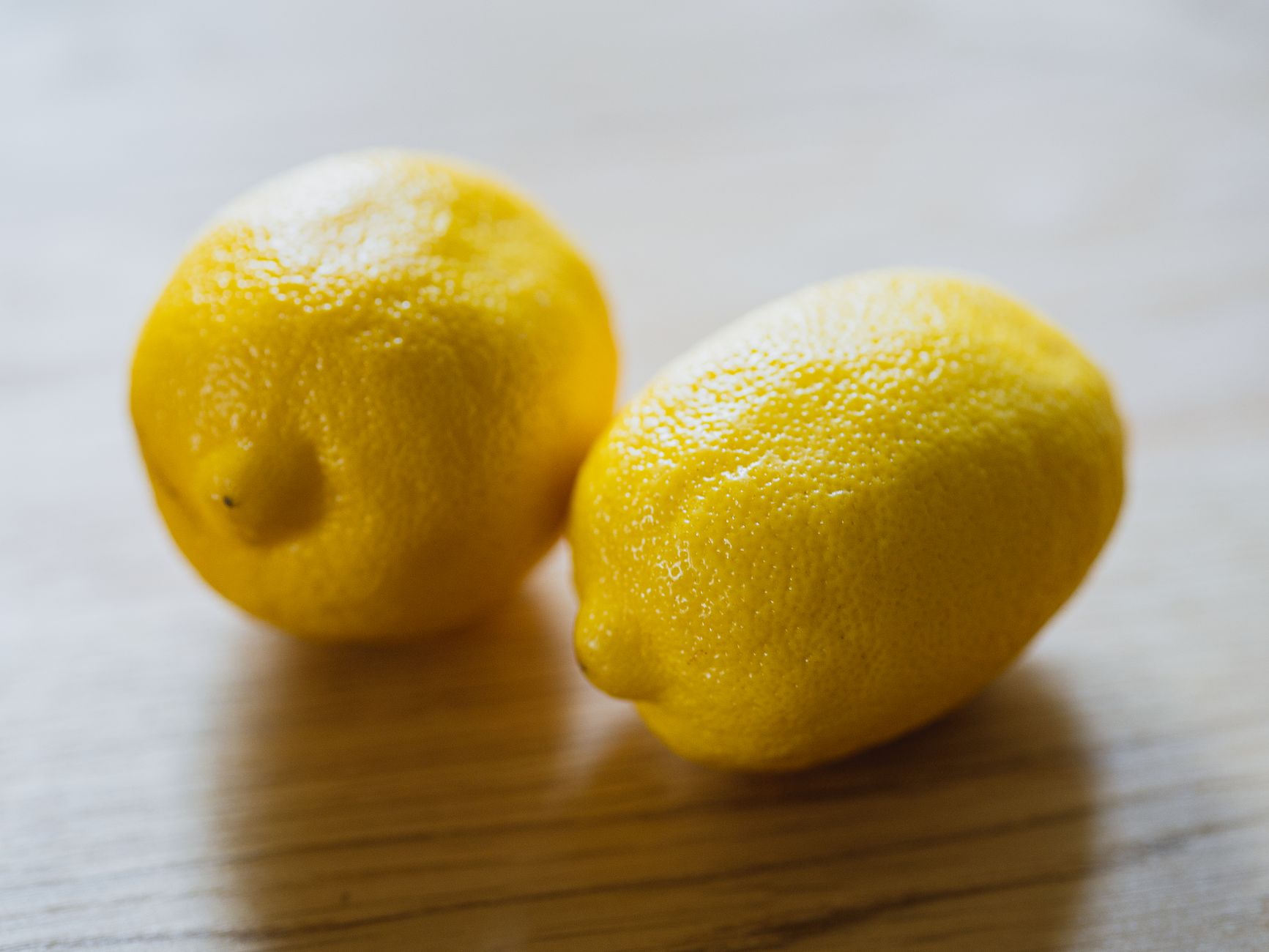
Lemon is often a staple in kitchens around the world, known for its vibrant flavor and versatility. But is lemon a fruit or a vegetable? In botanical terms, lemons are classified as fruits, specifically citrus fruits, which grow from the flowering part of a plant. Their unique characteristics and culinary uses set them apart, making them essential ingredients in various dishes, beverages, and culinary applications.
This article explores the classification of lemons, their nutritional benefits, culinary uses, and how to incorporate them effectively into your cooking and baking endeavors.
Lemon Is a Fruit or Vegetable: A Botanical Perspective
In botany, the classification of fruits and vegetables is based on specific characteristics. A fruit develops from the ovary of a flower and contains seeds, while vegetables are any other edible part of a plant, such as leaves, stems, and roots. By this definition, lemons are unequivocally fruits, as they develop from the flower of the lemon tree and contain seeds.
The Culinary Perspective on Lemons
Despite being a fruit, lemons often play a role similar to that of vegetables in culinary practices. Their bright, tangy flavor can enhance savory dishes and provide depth in beverages. This duality is one reason why understanding the classification of lemons can be a bit confusing.
Nutritional Benefits of Lemons
Lemons are not only flavorful but also pack a nutritional punch. Here are some key health benefits:
- High in Vitamin C: Lemons are rich in vitamin C, an antioxidant that supports the immune system, skin health, and overall wellness.
- Low in Calories: With only about 17 calories per lemon, they are an excellent addition to a healthy diet without adding extra calories.
- Rich in Plant Compounds: They contain flavonoids and other phytochemicals that may have beneficial health effects.
- Promotes Hydration: Lemons can enhance the flavor of water, encouraging better hydration habits.
Culinary Uses of Lemons
Lemons can be utilized in various culinary applications. Their juice, zest, and even whole fruit can play distinct roles in cooking and baking.
Using Lemon Juice
Lemon juice is renowned for its tart and refreshing flavor. Here are the common uses:
- Flavoring dishes: Lemon juice brightens salad dressings, marinades, and sauces.
- Enhancing sweetness: Adding lemon juice to desserts helps balance sweetness, making flavors pop.
- Preserving color: A dash of lemon juice can prevent fruits like apples and avocados from browning.
Using Lemon Zest
The outer peel of the lemon contains essential oils, which provide intense flavor without the acidity:
- Flavoring baked goods: Zest is often added to cakes, cookies, and muffins for a refreshing note.
- Finishing touches: Lemon zest can be used to garnish dishes, adding color and flavor.
Whole Lemons in Cooking
Whole lemons can also be used in various ways:
- Infusing liquids: Whole lemons can be sliced and added to water, teas, or broths for flavor.
- Candied lemons: Thinly sliced lemons can be candied and used as toppings on desserts or in salads.
Incorporating Lemons in Everyday Cooking
Here are some practical tips for using lemons in your kitchen:
1. Selecting the Right Lemons
- Choose firm lemons that feel heavy for their size, indicating juiciness.
- Look for bright yellow skin that is free from blemishes and soft spots.
2. Storing Lemons
Proper storage can prolong the shelf life of lemons. Here are some tips:
- Room Temperature: Store lemons at room temperature for up to a week.
- Refrigeration: Keep them in the crisper drawer of the refrigerator to extend freshness up to a month.
3. Maximizing Juice Extraction
To get the most juice out of a lemon, consider these techniques:
- Roll the lemon on a countertop while applying pressure to break down internal membranes.
- Microwave the lemon for about 10-15 seconds to warm it slightly and loosen the juice.
Lemon Substitutions in Cooking
In some recipes, you may find yourself needing a substitute for lemon. Consider the following alternatives:
- Lime juice: A similar acidic flavor, often used in savory dishes and cocktails.
- White wine vinegar: Use in salad dressings or marinades for a tangy kick.
- Citric acid: This powder can be used in place of lemon juice but may require adjustment for taste.
Lemon-Based Recipes
Embracing lemon in recipes can enhance flavor and elevate your dishes. Here are a couple of easy lemon recipes to try:
Lemon Risotto
This creamy risotto features the bright flavor of lemon, making it a refreshing dish.
Yield: 4 servings
Preparation Time: 10 minutes
Cooking Time: 30 minutes
Ingredients
- 1 cup Arborio rice
- 4 cups vegetable broth
- 1 medium onion, finely chopped
- 1/2 cup dry white wine
- 1/2 cup grated Parmesan cheese
- 2 tablespoons olive oil
- 1 lemon (juice and zest)
- Salt and pepper to taste
Equipment Needed
- Large saucepan
- Wooden spoon
- Measuring cups and spoons
Method
- In a saucepan, heat vegetable broth until simmering. Keep warm.
- In another large saucepan, heat olive oil over medium heat and sauté onions until translucent.
- Add Arborio rice, stirring for about 2 minutes to toast lightly.
- Pour in white wine, stirring until absorbed.
- Gradually add warm broth, one ladle at a time, stirring continuously. Allow the liquid to absorb before adding more.
- Cook for 18-20 minutes, until the rice is al dente and creamy.
- Stir in Parmesan, lemon juice, and zest. Season with salt and pepper. Serve warm.
Lemon Tiramisu
This dessert gives a refreshing twist to the traditional tiramisu, using lemon for a zesty flavor.
Yield: 8 servings
Preparation Time: 20 minutes
Chilling Time: 4 hours
Ingredients
- 1 cup mascarpone cheese
- 1 cup heavy cream
- 1/2 cup powdered sugar
- 1 lemon (juice and zest)
- 2 cups ladyfinger cookies
- 1 cup lemon curd
- Fresh blueberries for garnish
Equipment Needed
- Mixing bowl
- Electric mixer or whisk
- 9×9 inch baking dish
Method
- In a bowl, combine mascarpone cheese, heavy cream, powdered sugar, lemon juice, and zest. Whip until soft peaks form.
- In the baking dish, layer half of the ladyfingers at the bottom.
- Spread half of the lemon curd over ladyfingers. Follow with half of the whipped mixture.
- Add another layer of ladyfingers, then lemon curd, and finish with the remaining whipped mixture.
- Chill in the refrigerator for at least 4 hours, or overnight for best results. Garnish with fresh blueberries before serving.
Common Mistakes When Cooking with Lemons
While cooking with lemons can elevate your dishes, there are some common mistakes to avoid:
- Overusing lemon juice: Too much acidity can overpower a dish. Use lemon juice in balance with other flavors.
- Not zesting correctly: Zest only the outer yellow part of the lemon, avoiding the bitter white pith.
- Using bottled lemon juice: Fresh lemon juice has a brighter flavor compared to bottled alternatives.
Conclusion
In sum, lemons are unequivocally fruits that provide an array of culinary possibilities. Their vibrant flavor enhances both sweet and savory dishes, making them indispensable in kitchens worldwide. Incorporate lemons into your meals through juices, zest, or as fresh garnishes to transform your cooking.
To explore ways to use lemons further, check out our delicious lemon risotto recipe or try a refreshing lemon tiramisu recipe for dessert.