
In recent years, a growing number of consumers have become concerned with the quality and authenticity of the ingredients they consume, particularly when it comes to fast food. One of the most frequently asked questions about Taco Bell is whether the meat they use is real or processed. Understanding the ingredients in your food is important, and in this article, we will uncover the truth about Taco Bell’s meat.
We will explore the types of meat used in Taco Bell’s menu, how they are prepared, and what customers can expect in terms of quality. Additionally, we’ll provide menu and ordering tips to help you navigate your next Taco Bell visit with confidence.
Does Taco Bell Use Real Meat?
Yes, Taco Bell uses real meat in their menu items, but there are some important distinctions to make. The meat served at Taco Bell is inspected by the USDA and is considered to be real meat. However, the chain does include some processed components in their meat products, which may concern some consumers.
Understanding Taco Bell’s Meat Offerings
Taco Bell offers a variety of meat choices across their menu, including beef, chicken, pork, and occasionally, seasonal items like steak. Each type of meat is prepared and seasoned differently, contributing to the chain’s distinctive flavors. Here, we will break down the primary meat options available at Taco Bell:
1. Ground Beef
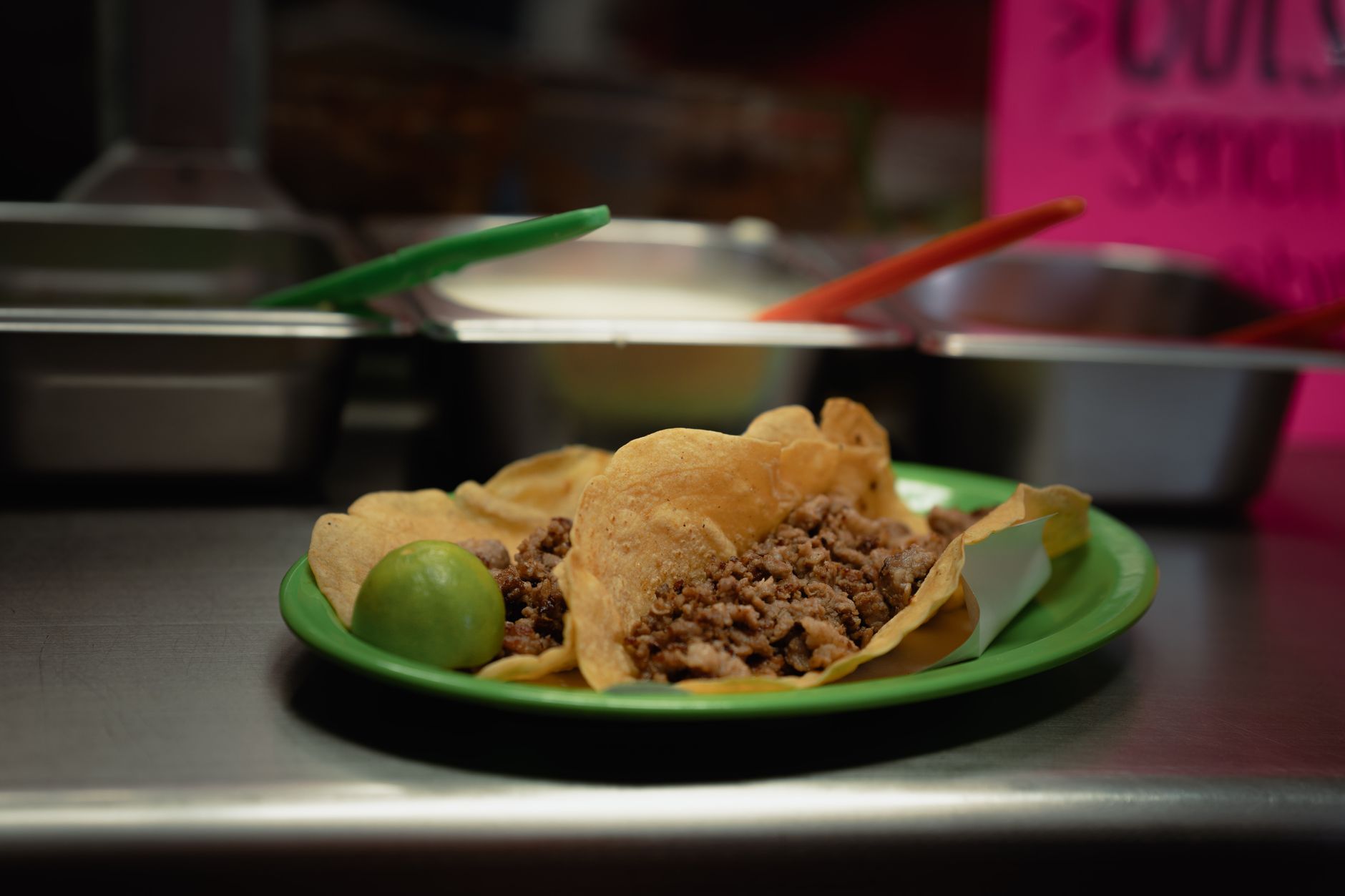
The most popular meat option at Taco Bell is ground beef. It typically contains a blend of 88% beef and 12% seasoning and water. The seasoning includes ingredients such as salt, chili peppers, onions, and various spices, which give the beef its recognizable flavor. In terms of preparation, Taco Bell cooks the beef in a way that allows it to be stored and served quickly across multiple locations.
2. Chicken
Taco Bell offers several chicken options, including shredded chicken and grilled chicken. The shredded chicken is made using all-white meat chicken breast cooked with various seasonings. The grilled chicken is marinated to enhance flavor and is grilled for a smoky taste. Both types of chicken are real and meet USDA standards.
3. Steak
Steak is another option available at Taco Bell, often found in items like the Steak Quesadilla or Steak Soft Taco. The steak is marinated and grilled, providing a robust flavor. This option showcases the chain’s commitment to offering diverse meat choices.
4. Pork (Carnitas)
The carnitas, or pulled pork, is another meat option on the Taco Bell menu. The pork is slow-cooked until tender and seasoned with spices. This preparation method ensures that the meat maintains its flavor and texture, contributing to the overall quality of the menu offerings.
Meat Preparation and Quality Control
Taco Bell has implemented several quality control measures to ensure the meat served at their restaurants is both safe and tasty. Here’s a closer look at how Taco Bell manages meat preparation:
- USDA Inspections: All Taco Bell meat products are sourced from suppliers that comply with USDA regulations, ensuring that the meat is real and safe to consume.
- Quality Assurance Programs: Taco Bell maintains strict guidelines for food safety and quality throughout its supply chain.
- Consistent Supply: The company partners with trusted suppliers for meat sourcing to ensure consistent quality across all locations.
What About the “Beef Filling” Controversy?
In 2011, Taco Bell faced scrutiny when it was revealed that their seasoned beef contained 36% beef, with the rest comprising various fillers such as binders and extenders. This sparked a national conversation regarding the quality of fast food meat. In response, Taco Bell publicly stated that it would work to improve its recipe and ingredient list.
Since that incident, Taco Bell has adjusted its recipes, and the current beef offering consists of 88% beef and 12% seasoning, which includes ingredients that help retain moisture and flavor during cooking and storage. This shift illustrates the chain’s commitment to transparency in its meat sourcing.
Menu and Ordering Tips
When navigating the Taco Bell menu, there are some tips and tricks you can implement to enhance your dining experience. Below are some practical suggestions for making the most of your order:
1. Customize Your Order
Taco Bell is known for its customizable menu. Don’t hesitate to modify your order to suit your tastes or dietary preferences. For example, you can ask for less cheese, add extra lettuce, or switch out meats for vegetarian options.
2. Try the Fresco Menu
If you’re looking for lighter options, consider exploring the Fresco Menu, which substitutes fresh tomatoes for cheese and sauces, lowering the calorie count in many dishes.
3. Consider Effects of Add-Ons
Add-ons like sour cream, guacamole, or extra tortillas can change the flavor and calorie count of your meal. Be aware of how these may enhance or detract from your overall dining experience.
4. Utilize Taco Bell’s “Cravings” Menu
The Cravings Menu includes value items that are budget-friendly while still providing a satisfying meal. Check out the value items for affordable options that still feature the delicious meats you enjoy.
5. Be Aware of Allergens
If you have food allergies or dietary restrictions, always consult Taco Bell’s allergen menu on their website before ordering. This ensures that your meal is safe and enjoyable.
6. Stay Informed About Promotions
Taco Bell frequently runs promotions on various menu items. Keep an eye out for limited-time offers that could save you money while enjoying your favorite dishes.
Vegetarian and Vegan Options
For those adhering to vegetarian or vegan diets, Taco Bell also offers a range of options. Many of their items can be customized to meet dietary needs. Here’s how:
- Vegetarian Menu: Taco Bell has a specific vegetarian menu featuring items like the Black Bean Crunchwrap and Veggie Power Menu Bowl.
- Customization: Most items can be made vegetarian by eliminating meat and substituting with beans, rice, or additional veggies.
- Vegan Options: Taco Bell has several vegan-friendly items; simply request that cheese, sour cream, and any meat be omitted from your order.
Common Concerns About Processed Meat
While Taco Bell uses real meat, it’s essential to acknowledge the concerns surrounding processed meat and what that means for consumer health. Here are some points to consider:
- Understanding Processed Ingredients: Ingredients such as extenders or preservatives can raise questions about the overall health benefits of fast-food meat products. Educate yourself on food additives and their effects.
- Balancing Your Diet: Eating fast food occasionally should be part of a balanced diet. Consider how often you eat at Taco Bell and balance it with whole foods like fruits and vegetables.
- Listen to Your Body: Some people may experience digestive issues with processed foods. Pay attention to how your body reacts and adjust your eating habits as necessary.
Storing Leftovers
If you have leftover Taco Bell meat products, proper storage can help retain their quality. Here are some guidelines to follow:
- Refrigeration: Store leftover meat in an airtight container in the refrigerator for up to three days. Be mindful of food safety and temperature.
- Freezing: For longer storage, consider freezing your leftover meat. Ensure it’s in an airtight container that can withstand freezing for up to two months.
- Reheating: Reheat your leftovers in the microwave or in a stovetop pan, ensuring they reach an internal temperature of 165°F (74°C) for safety.
Conclusion
Taco Bell does indeed serve real meat in its menu offerings, though it incorporates some processed elements. By understanding what each type of meat entails, and how to enhance your ordering experience, you can make more informed decisions about your fast food choices. Whether you’re a meat lover or occasionally enjoy vegetarian options, there’s something for everyone on the Taco Bell menu.
Next time you visit Taco Bell, consider experimenting with their offerings or customizing your meal. If you’re interested in making similar dishes at home, check out these resources for a DIY Taco Bell meat recipe or Taco Bell seasoning recipe.