
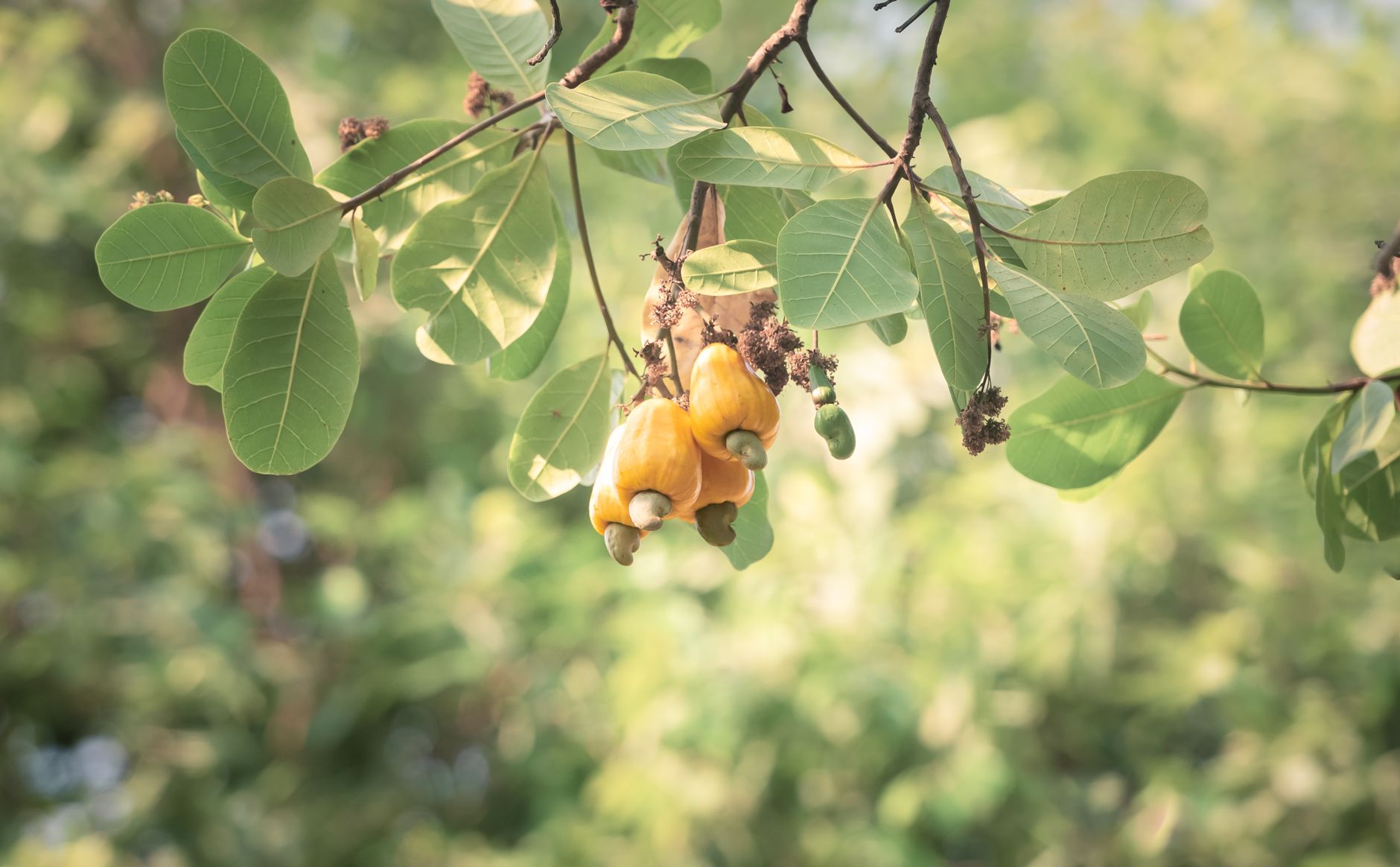
Cashew nuts are popular around the world for their rich, buttery flavor and versatility in both sweet and savory dishes. But have you ever wondered where they come from? The journey of cashew nuts from tree to table is both fascinating and complex.
This article will delve into the origins of cashew nuts, their cultivation, processing, and their global significance in various cuisines. Understanding the source of this beloved nut not only enriches your culinary knowledge but also offers insight into sustainability and agricultural practices.
Where Do Cashew Nuts Come From?
Cashew nuts originate from the cashew tree, which is native to northeastern Brazil. Today, they are cultivated in many tropical regions, including India, Vietnam, and parts of Africa. The cashew tree produces both an edible nut and a cashew apple, which are integral to the nut’s overall identity and use.
The Cashew Tree: Description and Cultivation
The cashew tree (Anacardium occidentale) is a tropical evergreen that can grow up to 14 meters (46 feet) tall. It features broad leaves and a unique flower that eventually develops into the cashew apple and nut. The tree thrives in well-drained, sandy soils and prefers areas with full sun.
Cashew trees require a warm climate with a minimum temperature of around 10 degrees Celsius (50 degrees Fahrenheit) for healthy growth. They prefer dry weather, making them ideally suited for areas with distinct wet and dry seasons. After planting, cashew trees can take around three to five years to produce their first crop of cashew nuts.
Growing Conditions and Care
- Soil: Well-drained, sandy or loamy soil is best.
- Climate: Warm, tropical climates ensure optimal growth.
- Water: Regular watering is necessary, particularly during dry spells.
- Pest Management: Common pests include cashew stem borers and root borers, requiring integrated pest management techniques.
- Harvesting Techniques: Cashew nuts must be hand-harvested once they ripen, as they do not all mature at the same time.
The Unique Anatomy of Cashew: Nut and Apple
The cashew tree is unique not only because of its nut but also due to the cashew apple, which is a fleshy, edible accessory fruit. The cashew apple is often bright red or yellow and has a sweet, juicy taste. It can be eaten fresh or processed into beverages, jams, and even fermented into alcoholic drinks.
The actual cashew nut is attached to the bottom of the cashew apple and is encased in a hard shell. This shell contains a caustic oil known as cashew nut shell liquid (CNSL), which can cause skin irritation. Thus, caution is required during harvesting and processing.
Harvesting Cashew Nuts: The Process
Harvesting cashew nuts is manual labor-intensive, generally taking place in late summer or early fall when the nuts have ripened. Here’s how the process unfolds:
- Once the cashew apples mature, harvesters look for the apples that have fallen from the tree.
- Using hand tools, they collect both the apples and the attached nuts.
- After collection, the nuts must be separated from the apples, as this is essential for processing.
- The nuts are then spread out to dry in the sunlight for several days, which helps reduce moisture content.
Processing Cashew Nuts
After harvesting, cashew nuts undergo several processing steps before they reach consumers:
- Shelling: Since the nuts have a hard outer shell, they are typically roasted to loosen the shell. Care is taken to avoid burning.
- Peeling: Once roasted, the nuts are mechanically or hand-peeled to remove the remaining shell material.
- Grading: The nuts are then graded based on size and quality, with the finest nuts fetching higher market prices.
- Packaging: Finally, the processed nuts are packaged for distribution, ensuring they maintain their freshness.
Global Production and Economic Importance
Cashew nuts are a major export commodity for several countries. The leading producers include:
- India: Often recognized as the largest producer, India also plays a significant role in cashew processing.
- Vietnam: A key player in global production, Vietnam has made advancements in processing technology.
- Brazil: The native region of the cashew, Brazil still contributes significantly to production.
- Africa: Various countries, including Nigeria and Tanzania, have seen increases in cashew cultivation due to growing international demand.
In addition to being a staple in local diets, cashew nuts provide livelihoods for millions of people around the world. They contribute to rural development and offer opportunities for economic diversification.
The Culinary Uses of Cashews
Cashew nuts are incredibly versatile in the kitchen. They can be enjoyed raw, roasted, or used as an ingredient in a variety of dishes, including:
1. Snacks: Roasted cashew nuts are a popular snack on their own or mixed with spices and other nuts.
2. Dishes: They can be added to salads, stir-fries, or grain bowls for an extra crunch.
3. Cashew Cream: When blended with water, cashews create a creamy alternative to dairy, perfect for vegan recipes.
4. Desserts: Ground cashews can be used in cookies, cheesecakes, and energy balls for added richness.
Flavor and Texture
Cashews have a distinct creamy and buttery flavor, with a slightly sweet undertone. Their texture is smooth and can add a pleasant crunch to dishes. Raw cashews are softer and creamier compared to their roasted counterparts, which are crunchier and develop a more intense flavor due to the roasting process.
Health Benefits of Cashew Nuts
Cashews are not just delicious; they also offer several health benefits. They are a good source of:
- Healthy Fats: Rich in monounsaturated fats that support heart health.
- Protein: A plant-based source of protein, they contribute to muscle repair and growth.
- Vitamins and Minerals: Cashews contain essential nutrients like magnesium, phosphorus, zinc, and vitamins E and K.
Incorporating cashew nuts into your diet can provide a boost of energy and nutrition, making them a great snack or ingredient in meals.
Common Questions About Cashew Nuts
How are cashew nuts different from other nuts?
Unlike many other nuts, cashews have a unique structure, with the nut attached to a fruit rather than being enveloped fully in a hard shell. They also contain a different balance of nutrients compared to almonds, walnuts, and peanuts.
Can cashew nuts cause allergies?
Like many tree nuts, cashews can elicit allergic reactions in some individuals. Symptoms can range from mild to severe and may include hives, swelling, and difficulty breathing. If you suspect a nut allergy, seek medical advice immediately.
Buying and Storing Cashew Nuts
When purchasing cashew nuts, consider the following factors to ensure quality:
- Freshness: Check for expiration dates and look for signs of rancidity, such as off smells.
- Raw vs. Roasted: Choose based on personal preference; raw nuts are softer, while roasted nuts have more crunch.
- Bulk Buying: Consider buying in bulk to save costs, but ensure proper storage to maintain freshness.
Storage Tips
Store cashew nuts in an airtight container in a cool, dry place. For longer shelf life, consider refrigeration or freezing them to prevent spoilage. Properly stored, cashew nuts can last for several months without losing their flavor and texture.
Conclusion
Understanding where cashew nuts come from enhances appreciation for this versatile ingredient, from its cultivation in Brazilian orchards to its presence in global cuisines. Whether you’re snacking on roasted nuts, incorporating cashew cream in your cooking, or adding them to a sweet treat, cashews offer a unique combination of flavor, nutrition, and culinary possibility.
For those interested in exploring the world of cashew nuts further, check out resources on what defines a cashew as a nut for a deeper understanding of this beloved ingredient.