
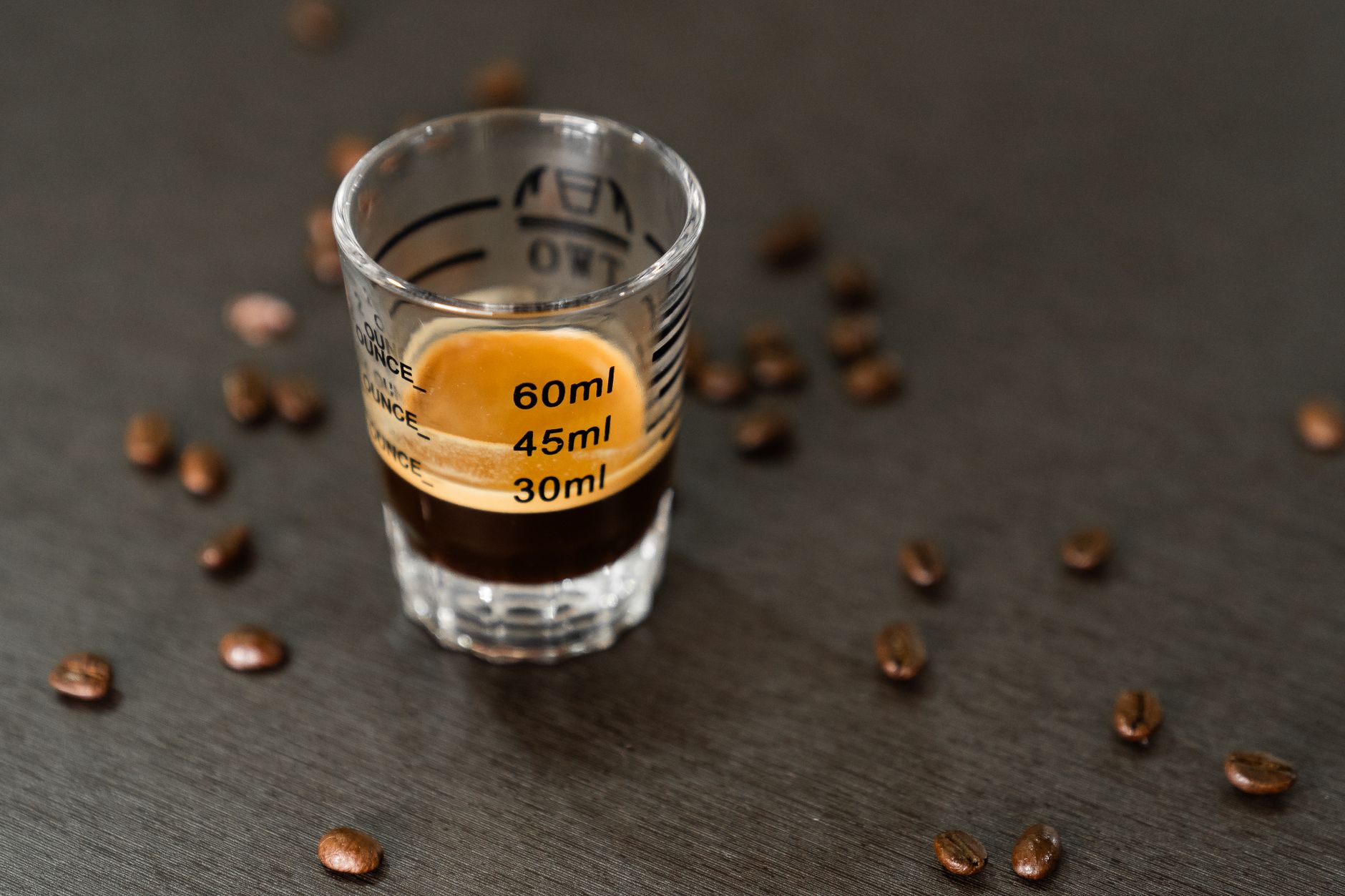
When it comes to enjoying your favorite cocktails or measuring out spirits for recipes, understanding shot sizes is essential for accuracy. The standard shot size can vary by location, but knowing how many fluid ounces (fl oz) is in a shot can streamline your measuring process.
In this article, we’ll explore what a shot actually is, break down the conversions, and offer practical tips for measuring shots accurately. You’ll also find recommendations for shot glasses and some fun variations in shot sizes around the world.
How Many Fl Oz Is a Shot?
A standard liquor shot in the United States is typically 1.5 fluid ounces (fl oz). However, this can vary in different countries and even within regions, with some national standards allowing for a smaller 1 fl oz shot or larger 2 fl oz shot, particularly in bars or restaurants.
This difference in shot sizes can impact not only how cocktails taste but also the alcohol content of the drinks consumed. Understanding these measurements is vital not only for home bartenders but also for anyone experimenting with cocktail recipes.
The Importance of Accurate Measurements
Getting measurements right is crucial in both drink preparation and when cooking with alcohol. A too-small shot may lead to weak drinks, while a too-large shot can result in overly strong cocktails. Both can throw off the balance of flavors in mixed drinks.
Whether you’re hosting a gathering or simply enjoying a night in, knowing how many fl oz in a shot ensures that you can follow recipes correctly, engage guests, and maintain control over alcohol consumption. Below, we’ll explore some common shot sizes and conversions to make it easier to navigate this aspect of bartending.
Common Shot Sizes Around the World
While the standard shot in the U.S. is generally 1.5 fl oz, other countries have their own standards:
- United Kingdom: A single shot is typically 25 ml (0.85 fl oz), and a double shot is 50 ml (1.7 fl oz).
- Japan: A standard shot size is about 30 ml (1.01 fl oz), often served in smaller glasses to encourage sharing.
- Australia: A standard shot is usually 30 ml (1.01 fl oz), but drinks can often be served in larger glasses.
- Europe: Some countries, like Germany and Belgium, also have a standard shot of around 20-25 ml (0.68-0.85 fl oz).
Conversions for Understanding Shots
Conversions can help you better understand measurements, especially if you’re dealing with different standards. Here are some handy conversions related to shots:
- 1 shot (U.S.) = 1.5 fl oz = 44.36 ml
- 1 shot (UK) = 0.85 fl oz = 25 ml
- 1 double shot (UK) = 1.7 fl oz = 50 ml
- 1.5 fl oz = 3 tablespoons = 6 teaspoons
- 1 fl oz = 2 tablespoons = 6 teaspoons
When creating cocktails, especially recipes from different regions, these conversions can provide clarity and prevent errors in measurement.
Tools for Measuring Shots Accurately
Employing the right tools can make measuring shots both easier and more accurate. Here are some useful measuring tools:
- Jigger: A jigger is a small measuring device typically formed in an hourglass shape. Most commonly, it allows both 1 fl oz and 1.5 fl oz measurements.
- Shot glass: Standard shot glasses, which hold 1.5 fl oz, help ensure consistency in pouring. Some shot glasses are marked for easy measuring.
- Measuring cups: For larger quantities or batch cocktails, using a measuring cup that has fl oz markings can be practical.
- Kitchen scale: Using a scale that measures liquid ingredients in ounces can provide extreme precision for those who prefer weight measurement.
How to Pour a Shot Accurately
Pouring a precise shot may seem straightforward, but here are some tips to ensure accuracy:
- Select your measuring tool: Choose a jigger, shot glass, or any device suited for measuring.
- Check level: When pouring, ensure that the liquid is at eye level to confirm that it reaches the correct measurement.
- Pour steadily: Controlled pouring minimizes foaming and splashing, providing a more accurate measurement.
- Let it settle: Allowing the liquid to settle can give a more accurate representation of the fluid measurement.
- Practice makes perfect: Pouring may take practice, but accuracy will enhance your drink preparation skills.
Creative Uses of Shots in Cocktails
Shots aren’t just for straight spirits; they can be integral to creating delicious cocktails. Here are a few classic cocktails that utilize shot measurements:
- Margarita: Typically includes 1 shot of tequila, alongside other ingredients.
- Cosmopolitan: Uses a shot of vodka and may include additional flavored spirits.
- Long Island Iced Tea: Contains multiple shots of different spirits, illustrating how measurements add up in cocktails.
- Layered Shots: When creating a layered shot, precise measurements ensure clean separation of flavors.
Understanding the shot measurements in cocktails is crucial for knowing how to balance flavors and achieve the intended drink strength.
Fun Variations of Shots
The world of shots isn’t confined to standard pours. Here are some creative variations you might encounter:
- Layered Shots: These shots involve carefully pouring different liquors to create distinct layers. Precision in the shot size is essential.
- Chilled Shots: Some shots, like vodka or tequila, are served ice-cold, which can alter the experience both in taste and thickness.
- Flavored Shots: Involving syrups, liqueurs, or flavored spirits that can change the dimension of a standard shot.
- Infused Shots: Shots made from infusing spirits with fruits or herbs can offer a refreshing take on traditional ideas.
Common Mistakes When Measuring Shots
While it may seem simple, several common pitfalls can affect shot measurements:
- Poor tools: Using a non-standard glass or vessel can lead to inconsistencies in measure.
- Overpouring: This can throw off the intended balance of a cocktail, making it unpalatable or overly strong.
- Rushing: Pouring quickly might give rise to inaccurate measurements or spills that waste your ingredients.
- Ignoring pour lines: Not paying attention to measurement lines can lead to confusion when preparing cocktails.
All of these mistakes can undermine the quality of your cocktails, so practicing good measuring techniques is essential.
Storing Your Spirits for the Perfect Shot
When preparing to serve shots, the storage of your spirits matters. Here are a few tips:
- Keep it cool: Store spirits in a cool, dark place away from direct sunlight to maintain flavor and integrity.
- Temperature: Some drinks, especially shots meant to be served chilled, may need to be refrigerated.
- Seal tightly: Ensure that bottles are tightly sealed to prevent evaporation or contamination of flavors over time.
Next Steps: Experimenting with Shots in Recipes
Armed with this knowledge of shot sizes and measurements, you are ready to experiment in the kitchen or behind the bar. Use these insights to make your favorite cocktails from scratch, or even try out some new creations. Remember that the precision of each shot contributes to the overall taste and quality. Don’t hesitate to play with flavors!
For those looking to try out unique shot recipes, check out our Gummy Bear Shot Recipe and see how fun the world of shots can be. If you prefer fruity flavors, our Starburst Shot Recipe offers a delightful twist. Happy mixing!